Revolutionizing Retail Hiring: The Role of Asynchronous AI Interviews in High Volume Recruitment
In the fast-paced world of retail, hiring the right talent quickly and efficiently is crucial for maintaining a competitive edge. The retail sector is characterized by high turnover rates, seasonal hiring spikes, and a constant demand for customer-facing roles, making the recruitment process a challenging endeavor. To address these challenges, many retail businesses are turning to innovative solutions such as asynchronous AI interviews. This technology not only streamlines the hiring process but also enhances candidate experience, enabling retailers to build a more agile and capable workforce.
Understanding Asynchronous AI Interviews
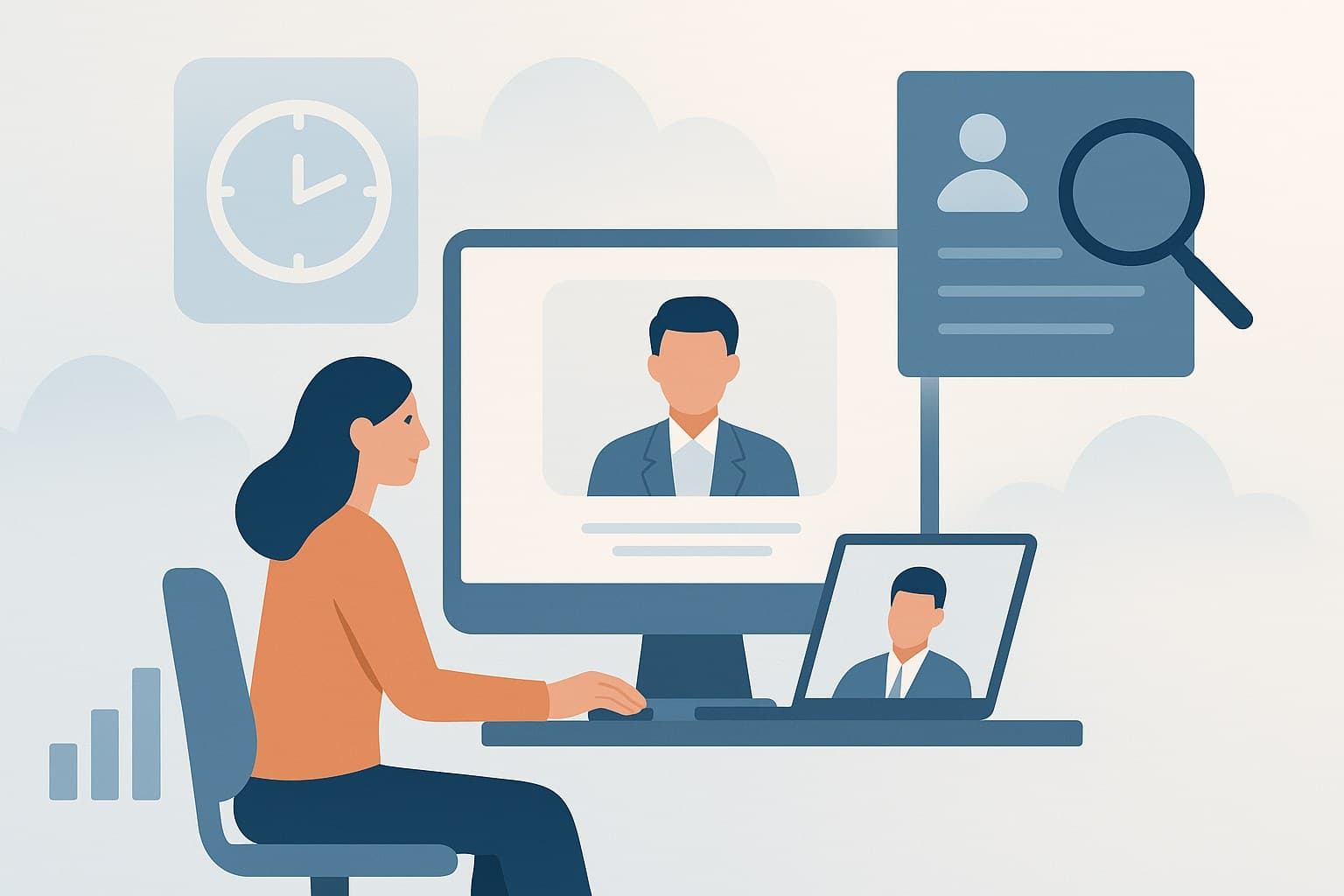
Asynchronous AI interviews allow candidates to record responses to predefined questions at their convenience, rather than participating in a live interview. These responses are then analyzed by AI algorithms, which assess various parameters such as communication skills, problem-solving abilities, and cultural fit. This method leverages natural language processing and machine learning to provide insights that traditional hiring methods may overlook.
Advantages of Asynchronous AI Interviews in Retail
-
Efficiency and Scalability
One of the most significant advantages of asynchronous AI interviews is the ability to handle large volumes of applicants simultaneously. In retail, where the need for quick staffing solutions is frequent, this technology allows HR teams to scale their hiring processes without a proportional increase in resources. Retailers can process thousands of applications in a fraction of the time it would take using traditional methods, reducing the time-to-hire and ensuring that stores are never understaffed.
-
Consistency and Objectivity
AI-driven interviews provide a standardized assessment framework, which reduces the potential for human bias. By evaluating all candidates against the same criteria, retailers can ensure a fair and equitable hiring process. This consistency is particularly important in maintaining brand integrity and customer service quality across different locations.
-
Enhanced Candidate Experience
Modern job seekers value flexibility and convenience. Asynchronous interviews allow candidates to participate at a time and place that suits them, eliminating scheduling conflicts and reducing stress. This flexibility can enhance the candidate’s perception of the company, making it more attractive to top talent. Additionally, the use of cutting-edge technology in the hiring process can position the retailer as an innovative and forward-thinking employer.
-
Data-Driven Insights
AI interviews generate a wealth of data that can be used to refine the hiring process. Retailers can analyze trends and patterns in candidate responses, identifying key traits and competencies that correlate with high performance. This data-driven approach enables continuous improvement of recruitment strategies and helps in building a workforce that aligns with organizational goals.
Implementation Strategies for HR Leaders
To effectively integrate asynchronous AI interviews into the recruitment process, HR leaders in retail must consider several key strategies:
-
Define Clear Objectives
Before implementing AI interviews, it is crucial to define what success looks like. Establish clear goals around metrics such as time-to-hire, candidate satisfaction, and turnover rates. This clarity will guide the selection of the right AI tools and ensure alignment with broader organizational objectives.
-
Select the Right Technology Partner
Choosing a technology partner with expertise in AI-driven recruitment solutions is essential. The partner should offer a platform that is user-friendly, integrates seamlessly with existing HR systems, and provides robust analytics capabilities. Additionally, the platform should be adaptable to the unique needs of the retail environment.
-
Ensure Compliance and Ethical Standards
As with any AI application, ethical considerations and compliance with data protection regulations are paramount. HR leaders must ensure that the AI tools used in hiring are transparent, explainable, and free from biases that could impact diversity and inclusion efforts. Regular audits and updates to the AI algorithms can help maintain these standards.
-
Train and Support HR Teams
Successful implementation of AI interviews requires buy-in and understanding from HR teams. Provide training on how to interpret AI-generated insights and incorporate them into decision-making processes. Support your teams with resources and guidance to ease the transition and maximize the benefits of the new system.
-
Communicate with Candidates
Transparency with candidates about the use of AI in the interview process is crucial. Clearly explain how the process works, what to expect, and how their data will be used. This transparency can alleviate concerns and foster trust in the hiring process.
Conclusion
Asynchronous AI interviews represent a transformative opportunity for the retail industry. By enabling faster, fairer, and more efficient hiring processes, this technology addresses many of the challenges associated with high-volume recruitment. For HR leaders and decision-makers in retail, embracing AI-driven solutions is not just about staying competitive; it's about redefining the way talent is sourced, assessed, and onboarded. As the retail landscape continues to evolve, those who leverage the power of AI will be better positioned to attract and retain the talent needed to thrive in an ever-changing market.
Frequently Asked Questions
Key questions often raised by business leaders and HR teams:
What are asynchronous AI interviews?
Asynchronous AI interviews allow candidates to record their responses to interview questions at their convenience, which are then analyzed by AI algorithms.
What advantages do they offer in retail hiring?
They provide efficiency, scalability, consistency, and an enhanced candidate experience, making the hiring process faster and fairer.
How can HR leaders implement AI interviews effectively?
HR leaders should define clear objectives, select the right technology partner, ensure compliance, train their teams, and communicate transparently with candidates.
Are AI interviews fair and unbiased?
Yes, AI interviews can reduce human bias by providing a standardized assessment framework, but it's essential to regularly audit the algorithms to maintain fairness.
What should candidates expect during an AI interview?
Candidates can expect to record their responses at their convenience and receive insights into their performance based on AI analysis.