Title: Navigating Compliance in Asynchronous Interviews for Healthcare Hiring
In the rapidly evolving landscape of healthcare recruitment, the adoption of asynchronous interviews has emerged as a transformative solution. The need for efficiency, flexibility, and broad candidate reach make asynchronous interviews appealing, especially in a field as dynamic and demanding as healthcare. However, with this shift comes the critical responsibility of ensuring compliance with relevant laws and regulations. For corporate decision-makers and HR leaders, understanding and navigating these compliance issues is paramount to leveraging the benefits of asynchronous interviews without encountering legal pitfalls.
Understanding Asynchronous Interviews
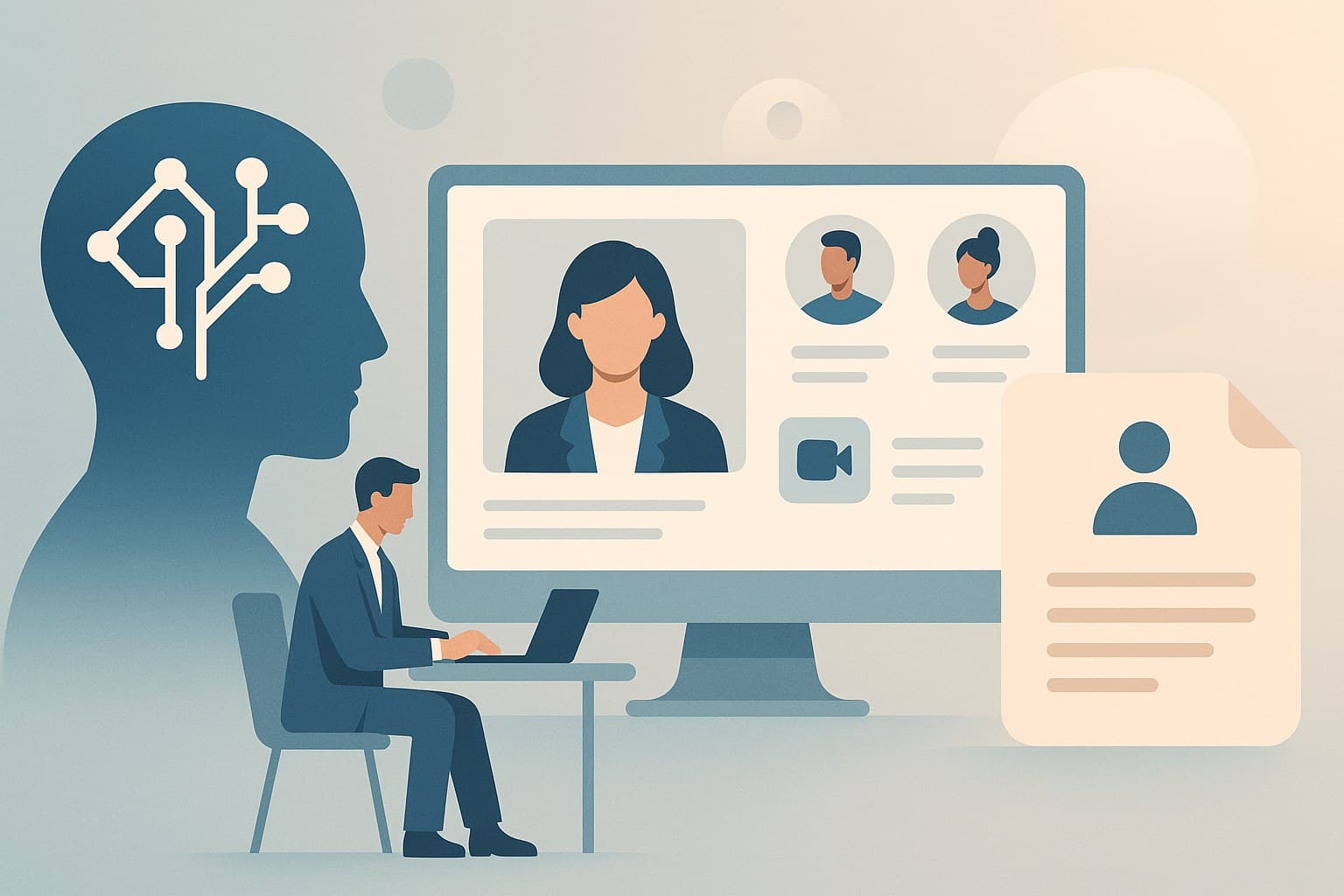
Asynchronous interviews, also known as one-way video interviews, allow candidates to record their responses to pre-set questions at their convenience, which employers can review at a later time. This method stands in stark contrast to traditional live interviews, offering significant advantages in terms of scheduling flexibility and the ability to evaluate more candidates in less time. For healthcare organizations, which often face urgent staffing needs and high turnover rates, asynchronous interviews can significantly streamline the hiring process.
Compliance Considerations
Despite their benefits, asynchronous interviews introduce unique compliance challenges that must be addressed. Here are key areas that require attention:
1. Data Privacy and Security
Healthcare organizations are already heavily regulated when it comes to data privacy due to laws such as the Health Insurance Portability and Accountability Act (HIPAA). While HIPAA focuses on patient information, similar diligence should be applied to candidate data collected during the interview process. Organizations must ensure that the platforms used for asynchronous interviews comply with data protection regulations such as the General Data Protection Regulation (GDPR) for candidates in the EU, and the California Consumer Privacy Act (CCPA), among others.
Action Points:
- Choose platforms that offer robust data encryption and have clear privacy policies.
- Ensure that candidate data is stored securely and access is restricted to authorized personnel only.
- Implement a clear data retention policy that outlines how long interview data will be retained and how it will be disposed of.
2. Equal Employment Opportunity (EEO) Compliance
The use of asynchronous interviews must be in line with EEO laws, which prohibit discrimination based on race, color, religion, sex, or national origin. The technology used should not inadvertently disadvantage any group of candidates. This involves ensuring that the interview platform is accessible to individuals with disabilities and does not rely on features (like high-speed internet) that could disadvantage certain candidates.
Action Points:
- Conduct regular audits of the interview process to ensure compliance with EEO laws.
- Provide alternative options for candidates who may be unable to participate in video interviews due to disability or other valid reasons.
- Train hiring managers to recognize and mitigate unconscious bias that might influence the evaluation of recorded responses.
3. Fairness and Consistency
Maintaining fairness and consistency in the interview process is crucial. Asynchronous interviews, if not properly managed, can lead to inconsistencies in how candidates are evaluated. Clear guidelines and standardization are essential to ensure that every candidate is assessed on the same criteria.
Action Points:
- Develop standardized interview questions that align with the job requirements.
- Use structured rating scales and provide training to evaluators to ensure consistent scoring.
- Regularly review the interview process for potential bias or inconsistencies in candidate evaluations.
4. Legal Documentation and Transparency
Transparency in the recruitment process builds trust with candidates and ensures compliance with legal requirements. Candidates should be informed about what the process will entail, how their data will be used, and their rights throughout the hiring process.
Action Points:
- Provide candidates with clear instructions and expectations for the asynchronous interview process.
- Include a comprehensive consent form that details data usage and candidate rights.
- Maintain thorough documentation of the hiring process, decisions, and criteria used for evaluating candidates.
Strategic Implementation
For HR leaders and corporate decision-makers, the strategic implementation of asynchronous interviews involves a careful balance of technology, compliance, and human judgment. Here are some strategic steps to consider:
-
Select the Right Technology Partner: Choose a platform that not only meets your operational needs but also prioritizes compliance. Evaluate vendors based on their ability to provide secure, accessible, and compliant interviewing solutions.
-
Develop Comprehensive Policies: Establish clear policies that address all aspects of the asynchronous interview process, from data privacy to candidate evaluation. These policies should be communicated to all stakeholders involved in the hiring process.
-
Continuous Training and Development: Invest in regular training for HR teams and hiring managers to keep them updated on compliance requirements and best practices for conducting asynchronous interviews.
-
Monitor and Review: Implement mechanisms to continuously monitor the effectiveness and compliance of the asynchronous interview process. Regular reviews can help identify areas for improvement and ensure that the process evolves with changing legal landscapes.
Conclusion
Asynchronous interviews offer a powerful tool for healthcare organizations looking to optimize their hiring process. However, the integration of this technology must be approached with a keen awareness of compliance issues. By prioritizing data privacy, EEO compliance, fairness, and transparency, HR leaders and corporate decision-makers can harness the full potential of asynchronous interviews while safeguarding their organizations against legal challenges. Through strategic planning and continuous oversight, healthcare organizations can create a hiring process that is not only efficient but also equitable and compliant, ultimately leading to better hiring outcomes and a stronger workforce.
Frequently Asked Questions
Key questions often raised by business leaders and HR teams:
What are asynchronous interviews?
Asynchronous interviews allow candidates to record their responses to interview questions at their convenience, providing flexibility for both candidates and employers.
How can I ensure compliance during asynchronous interviews?
To ensure compliance, focus on data privacy, EEO laws, and maintain fairness by standardizing the evaluation process.
What legal considerations should I be aware of?
Key legal considerations include data protection regulations like HIPAA and GDPR, as well as ensuring equal opportunity for all candidates.
How can I train my team for asynchronous interviews?
Invest in regular training sessions that cover compliance requirements, best practices, and bias mitigation strategies.
What are the benefits of using asynchronous interviews in healthcare?
Asynchronous interviews streamline the hiring process, allowing for greater flexibility and the ability to evaluate more candidates efficiently.