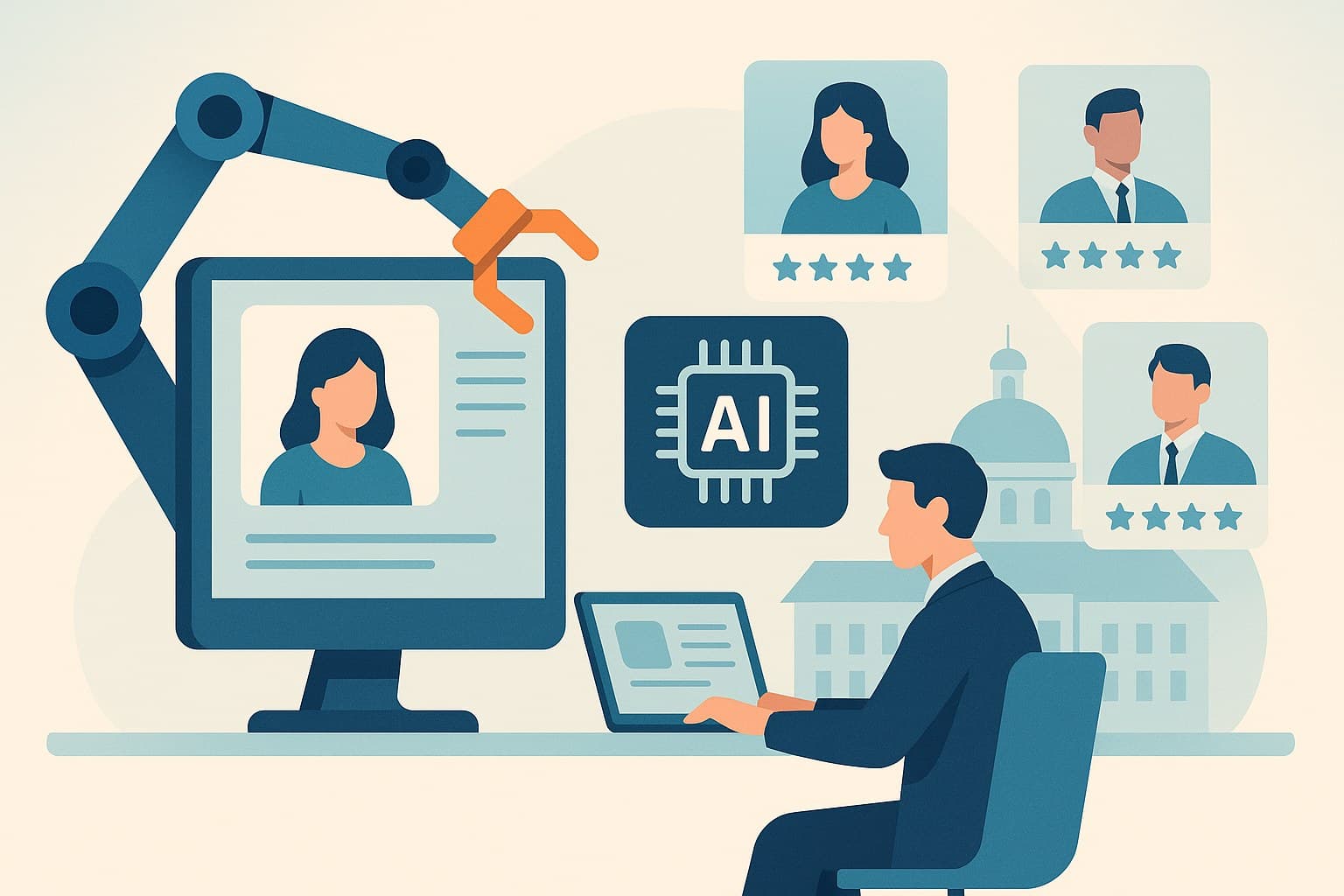
The Evolving Landscape of Campus Hiring: Navigating Asynchronous Interviews and Managing Backlogs
In recent years, the landscape of campus hiring has undergone a substantial transformation, driven by technological advancements and the evolving expectations of both employers and candidates. One of the most significant innovations has been the adoption of asynchronous interviews, a tool that has revolutionized the recruitment process. However, with this innovation comes the challenge of managing interview backlogs effectively. For decision-makers and HR leaders, understanding how to leverage asynchronous interviews while keeping backlogs under control is critical for maintaining an efficient and effective hiring process.
Understanding Asynchronous Interviews
Asynchronous interviews, often conducted via digital platforms, allow candidates to record responses to pre-set questions at their convenience. This method provides several benefits over traditional in-person or live video interviews. Primarily, it offers flexibility for candidates who may be juggling academic commitments, part-time work, or other responsibilities. For employers, asynchronous interviews eliminate scheduling conflicts, speed up the recruitment timeline, and allow the evaluation of more candidates in a shorter period.
In the context of campus hiring, where large volumes of applications are common, asynchronous interviews can significantly streamline the initial stages of candidate assessment. They enable recruiters to quickly sift through responses and identify potential fits without the logistical constraints of coordinating live interactions.
The Challenge of Managing Backlogs
Despite the advantages, the implementation of asynchronous interviews can lead to backlogs if not managed properly. A backlog can occur when the volume of interviews exceeds the capacity of hiring teams to review them promptly. This can result in delays in the recruitment process, potential loss of top candidates to more agile competitors, and a negative candidate experience.
Several factors contribute to the creation of backlogs. Firstly, the sheer volume of applications during campus hiring seasons can overwhelm even the most prepared HR teams. Secondly, the ease of applying through online platforms can lead to an increase in applications from candidates who may not be fully committed or qualified. Lastly, internal processes, such as limited staff for reviewing applications or inadequate technology infrastructure, can exacerbate the situation.
Strategies for Effective Backlog Management
To prevent and manage backlogs in asynchronous interviews, HR leaders should consider several strategies:
-
Implement Advanced Screening Tools: Utilizing AI-driven tools can help automatically screen candidates based on predefined criteria. These tools can analyze responses for keywords, sentiment, and other relevant metrics, allowing recruiters to focus on the most promising candidates.
-
Optimize Application Platforms: Ensure that the application process is streamlined and that candidates are clearly informed about the requirements and expectations. This can help filter out less serious applicants who might otherwise contribute to the backlog.
-
Prioritize Candidate Experience: Timely communication is crucial. Automated updates on application status and expected timelines can help manage candidate expectations and reduce inquiries that add to recruiters' workloads.
-
Scale the Recruitment Team Temporarily: During peak hiring seasons, consider temporarily increasing the recruitment team. This can be achieved through internal cross-training or hiring contract recruiters to handle the additional workload.
-
Leverage Data Analytics: Utilize data to predict peak application times and plan resources accordingly. Analyzing past recruitment cycles can provide insights into when to expect surges in applications and prepare in advance.
-
Invest in Training: Ensure that recruiters are well-trained in using the asynchronous interview platform efficiently. Regular training sessions can optimize their ability to assess candidate responses quickly and effectively.
-
Feedback Loops for Continuous Improvement: Create a system for gathering feedback from both candidates and recruiters about the asynchronous interview process. Regularly review this feedback to make necessary adjustments and improvements.
The Role of Leadership in Managing Change
For HR leaders and decision-makers, successfully integrating asynchronous interviews into the campus hiring process requires a proactive approach. Change management is essential, as teams need to adapt to new technologies and workflows. Leadership should emphasize the importance of this transition, providing the necessary resources and support to ensure a smooth implementation.
Moreover, fostering a culture of agility and continuous improvement within the recruitment team can lead to more innovative solutions for managing backlogs. Encouraging open communication and collaboration between recruitment and technology teams can also facilitate the development of customized solutions tailored to the organization's specific needs.
Conclusion
Asynchronous interviews represent a significant advancement in campus hiring, offering increased flexibility and efficiency. However, without proper management, the risk of backlogs can undermine these benefits. By implementing strategic measures and fostering a culture of adaptability, HR leaders can maximize the advantages of asynchronous interviews while maintaining a streamlined recruitment process.
Ultimately, the goal is to enhance the candidate experience, reduce time-to-hire, and ensure that organizations secure top talent from campuses worldwide. By addressing the challenges associated with asynchronous interviews head-on, decision-makers can position their organizations for success in the dynamic world of campus recruitment.
Frequently Asked Questions
Key questions often raised by business leaders and HR teams:
What are asynchronous interviews?
Asynchronous interviews allow candidates to record their responses to questions at their convenience, providing flexibility in the hiring process.
How can HR manage interview backlogs?
HR can manage backlogs by implementing advanced screening tools, optimizing application platforms, and temporarily scaling the recruitment team during peak times.
What are the benefits of asynchronous interviews?
Asynchronous interviews speed up the recruitment process, eliminate scheduling conflicts, and allow for the evaluation of more candidates efficiently.
Why is candidate experience important in the hiring process?
A positive candidate experience can enhance an organization's reputation and help attract top talent, reducing time-to-hire.
How can data analytics help in campus hiring?
Data analytics can predict peak application times and help HR plan resources accordingly, ensuring a more efficient hiring process.