Asynchronous Video Interview Remote Hiring: The Future of Recruitment
The traditional hiring process is time-consuming, tedious, and often filled with scheduling conflicts. But with the rise of remote work and technological advancements, companies are now turning to asynchronous video interviews as a solution. This innovative method allows hiring teams to review pre-recorded video interviews at their convenience, saving time and streamlining the recruitment process. In this article, we will delve into the world of asynchronous video interview remote hiring and explore its benefits, challenges, and impact on the future of recruitment.
What is Asynchronous Video Interview Remote Hiring?
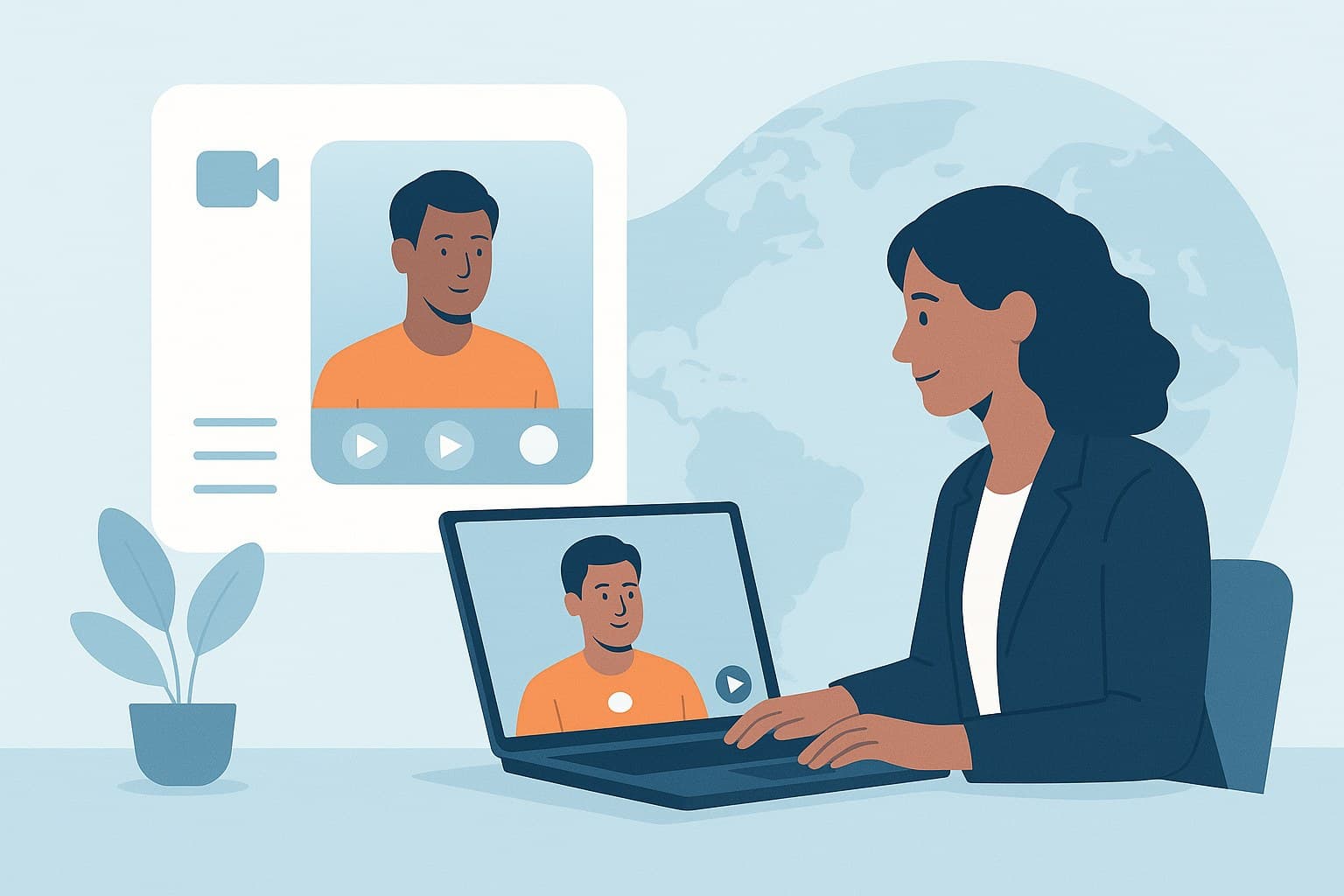
Asynchronous video interview remote hiring is a recruitment process where candidates are asked to record their responses to interview questions and submit them for review by the hiring team. This eliminates the need for scheduling interviews and allows candidates to complete the process at their convenience. Hiring teams can then review the videos when they are ready, making it a more efficient and flexible way to conduct interviews.
This method is often used in combination with other recruitment tools such as applicant tracking systems and video interviewing platforms to create a seamless hiring process. Candidates can be asked to record their responses to specific questions or engage in a virtual interview with pre-recorded questions. Depending on the platform and the position they are applying for, they might also be asked to perform small exercises or play a game – activities that can provide valuable insights into their skills and personality.
The Benefits of Asynchronous Video Interview Remote Hiring
- Time-Saving and Efficient
One of the primary benefits of asynchronous video interviews is the time-saving aspect. With traditional interviews, scheduling can be a nightmare, especially when dealing with multiple candidates and busy hiring teams. Asynchronous video interviews eliminate the need for scheduling, allowing both parties to complete the process at their convenience. This saves time and makes the recruitment process more efficient.
- Greater Reach and Diversity
Asynchronous video interviews also open up opportunities for candidates who may not have been able to participate in traditional interviews due to geographical constraints. This allows hiring teams to reach a wider pool of candidates and increase diversity within their organization. It also eliminates any biases that may arise from in-person interviews.
- Improved Candidate Experience
Candidates often find the traditional interview process stressful and daunting, leading to a negative experience. Asynchronous video interviews allow candidates to complete the process in a comfortable and familiar environment, reducing their stress levels. This can lead to a more positive candidate experience and improve the overall employer brand.
- Data-Driven Decision Making
Asynchronous video interviews provide hiring teams with valuable data that can help them make informed decisions. The recorded interviews can be reviewed multiple times, allowing for a more in-depth analysis of the candidate's responses. This data can also be shared with other team members, improving collaboration and making the hiring process more transparent.
Challenges of Asynchronous Video Interview Remote Hiring
While asynchronous video interviews offer numerous benefits, there are also some challenges that hiring teams need to be aware of.
- Technical Difficulties
Asynchronous video interviews heavily rely on technology, and technical difficulties can arise, causing delays and frustrations for both candidates and hiring teams. Poor internet connection, microphone or camera issues, and platform glitches are just some of the technical challenges that may occur.
- Lack of Personal Interaction
In-person interviews allow hiring teams to gauge a candidate's personality and communication skills better. With asynchronous video interviews, this personal interaction is limited, making it harder to assess a candidate's non-verbal cues and body language.
- Potential for Bias
While asynchronous video interviews aim to eliminate biases, they can still occur. Candidates who may not be comfortable in front of a camera or have limited access to technology may not perform as well as others, leading to unfair judgments.
The Future of Recruitment: Asynchronous Video Interview Remote Hiring
Asynchronous video interview remote hiring is quickly becoming the future of recruitment, and for a good reason. The COVID-19 pandemic has accelerated the adoption of remote work, and companies are now looking for ways to streamline their hiring process to adapt to this new reality. Asynchronous video interviews offer a solution that not only saves time and resources but also allows for a more diverse and data-driven approach to recruitment.
According to a survey by the HR Tech Group, 86% of companies plan to use video interviews in their recruitment process, and 50% of them plan to use asynchronous video interviews specifically. With the rise of AI-powered recruitment tools, we can expect to see even more advanced features and capabilities in asynchronous video interviews, making the process even more efficient and insightful.
Conclusion
Asynchronous video interview remote hiring is revolutionizing the recruitment process, offering numerous benefits to both candidates and hiring teams. While it may have its challenges, the future looks bright for this innovative method. Companies that embrace asynchronous video interviews can streamline their recruitment process, reach a wider pool of candidates, and make more informed decisions. As remote work continues to grow, asynchronous video interviews will play a significant role in shaping the future of recruitment.
Frequently Asked Questions
Key questions often raised by business leaders and HR teams:
What is asynchronous video interview remote hiring?
Asynchronous video interview remote hiring allows candidates to record their responses to interview questions at their convenience, which hiring teams can review later.
What are the benefits of asynchronous video interviews?
They save time, increase diversity, improve candidate experience, and enable data-driven decision-making.
What challenges are associated with asynchronous video interviews?
Challenges include technical difficulties, lack of personal interaction, and potential biases in candidate evaluation.
How can companies ensure fairness in asynchronous video interviews?
Companies can provide clear guidelines, ensure equal access to technology, and use structured questions to minimize bias.
What does the future hold for asynchronous video interviews?
Asynchronous video interviews are expected to grow in popularity, especially with advancements in AI and remote work trends.