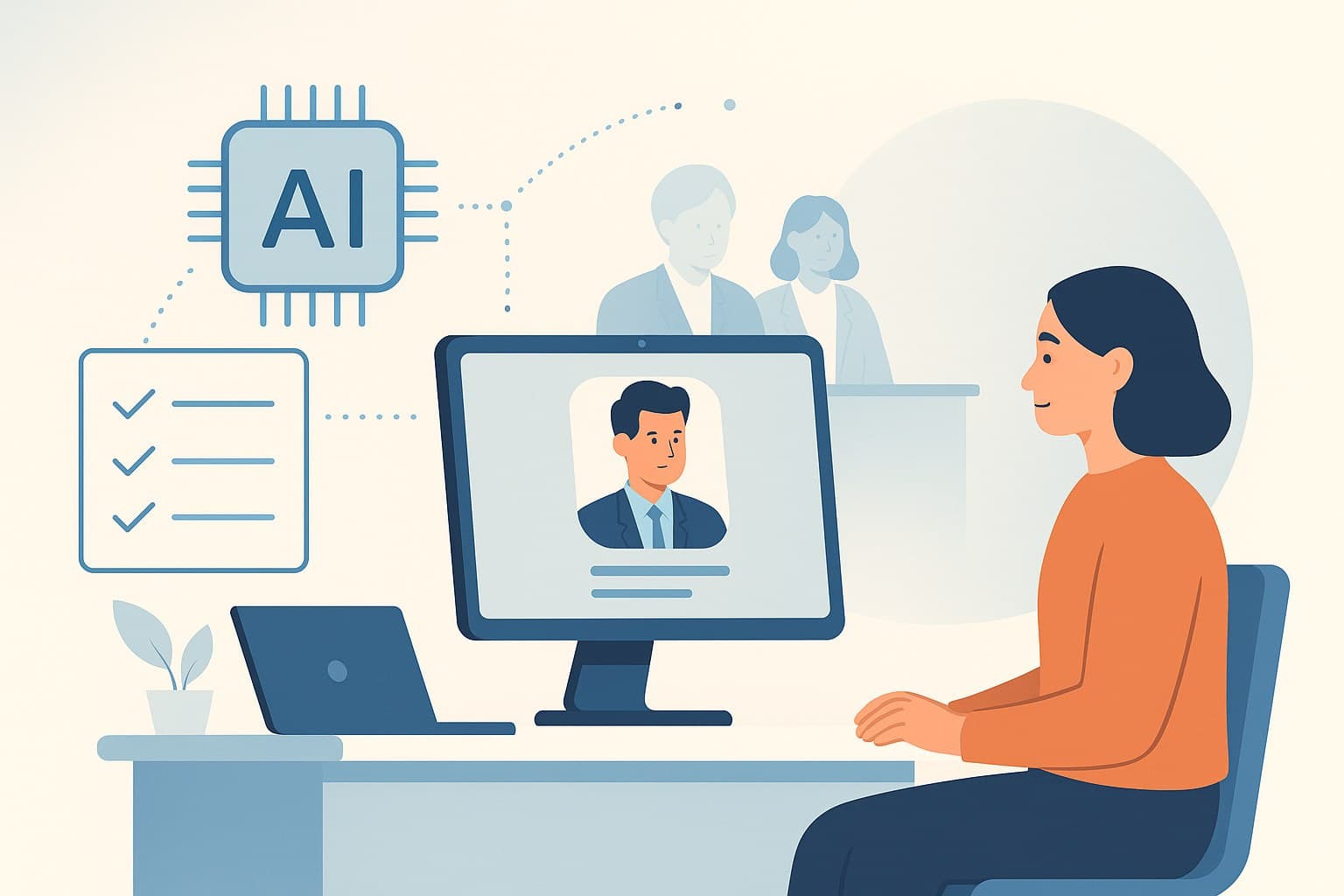
Creating Audit-Ready Decision Trails in Hiring: A Guide for Corporate Decision-Makers and HR Leaders
In today's fast-paced business environment, making informed and transparent hiring decisions is more critical than ever. Organizations are under increasing pressure to ensure their hiring processes are not only efficient but also compliant with legal standards and aligned with best practices for diversity and inclusion. To achieve this, companies must focus on creating audit-ready decision trails in their hiring processes. This article explores the importance of audit-ready decision trails, outlines the steps necessary to implement them, and discusses the benefits they offer to corporate decision-makers and HR leaders.
The Importance of Audit-Ready Decision Trails
Audit-ready decision trails refer to documented processes and rationales behind every hiring decision. These trails ensure that each step of the hiring process is traceable, making it easier to demonstrate compliance with legal and ethical standards. With increasing scrutiny over hiring practices, being able to provide a clear and comprehensive decision trail can protect organizations from litigation, enhance their reputation, and contribute to a more fair and unbiased hiring process.
-
Compliance and Legal Protection: Employment laws and regulations are constantly evolving. An audit-ready decision trail helps ensure compliance with these laws, such as equal employment opportunity regulations and anti-discrimination laws, by providing evidence of fair hiring practices.
-
Transparency and Accountability: Decision trails enhance transparency, allowing stakeholders to understand how and why specific hiring decisions were made. This transparency fosters trust among employees and external stakeholders, reinforcing the organization's commitment to fair practices.
-
Diversity and Inclusion: By maintaining comprehensive records of hiring decisions, organizations can analyze their practices to ensure they are fostering diversity and inclusion. Decision trails can highlight unintentional biases in the hiring process, helping HR leaders to address and rectify them.
Implementing Audit-Ready Decision Trails
To create effective audit-ready decision trails, organizations need to focus on several key areas:
-
Standardizing the Hiring Process: Develop a standardized hiring process that includes clear guidelines and criteria for each stage of recruitment. This standardization should encompass job postings, candidate evaluations, interview questions, and final decision-making processes.
-
Utilizing Technology: Leverage technology to automate and document each step of the hiring process. Applicant tracking systems (ATS) and other HR technologies can help capture and store data, making it easier to create comprehensive records.
-
Training and Awareness: Train hiring managers and HR personnel on the importance of maintaining decision trails and how to document their decisions effectively. Encourage a culture of accountability and transparency within the organization.
-
Documentation and Record-Keeping: Ensure that every interaction with candidates is documented, from initial contact to final decision. This includes notes from interviews, rationale for selection or rejection, and feedback provided to candidates.
-
Regular Audits and Reviews: Conduct regular audits of the hiring process to ensure compliance and identify areas for improvement. These audits should assess whether decision trails are being maintained adequately and whether they reflect the organization's commitment to fair hiring practices.
Benefits of Audit-Ready Decision Trails
-
Improved Decision-Making: With clear decision trails, HR leaders and corporate decision-makers can analyze past hiring decisions to identify trends and areas for improvement. This data-driven approach leads to better hiring decisions and more strategic workforce planning.
-
Enhanced Reputation: Organizations that prioritize transparency and fairness in their hiring processes are likely to enjoy a better reputation among job seekers, employees, and the community. This reputation can be a significant competitive advantage in attracting top talent.
-
Risk Mitigation: By maintaining thorough records of the hiring process, organizations can mitigate the risk of legal challenges related to employment practices. Decision trails provide the necessary documentation to defend against claims of bias or discrimination.
-
Employee Trust and Engagement: Transparent hiring practices contribute to a culture of trust and engagement within the organization. Employees who perceive the hiring process as fair are more likely to feel valued and motivated, resulting in higher retention rates.
Conclusion
In conclusion, creating audit-ready decision trails is an essential strategy for organizations aiming to enhance their hiring processes. By focusing on transparency, compliance, and accountability, HR leaders and corporate decision-makers can ensure their hiring practices are fair, efficient, and aligned with the organization's values. The benefits of audit-ready decision trails extend beyond legal protection, fostering a culture of trust and inclusivity that can drive organizational success in the long term. Embracing this approach not only strengthens the organization's reputation but also positions it as a leader in ethical and effective hiring practices.
Frequently Asked Questions
Key questions often raised by business leaders and HR teams:
What are audit-ready decision trails?
Audit-ready decision trails are documented processes that provide a clear rationale for each hiring decision, ensuring compliance with legal standards.
Why are decision trails important for hiring?
They enhance transparency, accountability, and help organizations mitigate legal risks while promoting diversity and inclusion.
How can organizations implement audit-ready decision trails?
Organizations can standardize their hiring processes, utilize technology for documentation, and train staff on maintaining decision trails.
What benefits do audit-ready decision trails provide?
They improve decision-making, enhance organizational reputation, mitigate risks, and foster employee trust and engagement.