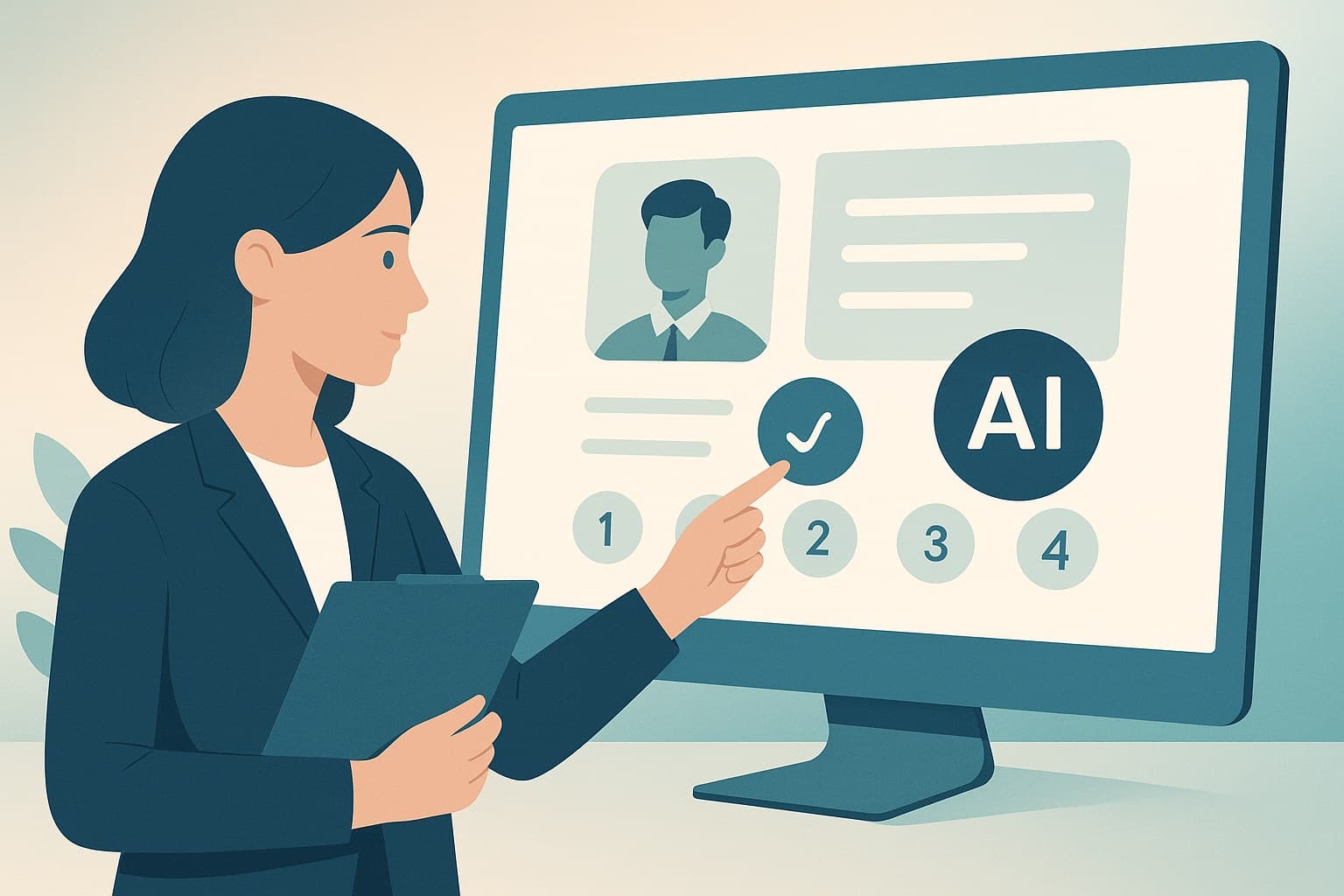
Title: Embracing Auditable AI in Hiring: A Strategic Imperative for Modern Enterprises
In the rapidly evolving landscape of technology and business, companies are increasingly turning to artificial intelligence (AI) to enhance efficiency and drive innovation. One of the most transformative applications of AI is in the realm of human resources, particularly in the hiring process. However, as organizations integrate AI into their recruitment strategies, the need for auditable AI systems becomes paramount. This article explores the significance of auditable AI in hiring and offers insights for decision-makers and HR leaders on how to effectively implement it.
Understanding Auditable AI
Auditable AI refers to AI systems that provide transparency, accountability, and traceability in their decision-making processes. In the context of hiring, auditable AI ensures that the algorithms used to screen, evaluate, and select candidates are fair, unbiased, and compliant with legal standards. This transparency is crucial for building trust among stakeholders, including candidates, employees, and regulatory bodies.
The Importance of Auditable AI in Hiring
-
Mitigating Bias and Discrimination: AI systems are only as unbiased as the data they are trained on. In hiring, reliance on historical data can inadvertently perpetuate existing biases. Auditable AI allows organizations to scrutinize and refine algorithms to ensure that decisions are based on merit and not on gender, race, age, or other irrelevant factors. This is not only a legal obligation but also a moral imperative for fostering diversity and inclusion.
-
Enhancing Accountability: With auditable AI, every decision made by the system can be examined and justified. This level of accountability is crucial for maintaining the integrity of the hiring process. In cases where candidates question the fairness of recruitment decisions, organizations equipped with auditable AI can provide clear explanations, thereby protecting their reputation and reducing legal risks.
-
Building Trust with Stakeholders: Transparency in AI-driven hiring processes builds trust with candidates and employees. When candidates understand how decisions are made, they are more likely to perceive the process as fair. Moreover, employees are more likely to support the use of AI when they see it as a tool for enhancing, rather than replacing, human judgment.
-
Ensuring Compliance with Regulations: As governments worldwide introduce regulations governing AI, organizations must ensure that their AI systems comply with these laws. Auditable AI provides the documentation and transparency needed to demonstrate compliance, thereby avoiding potential fines and legal challenges.
Implementing Auditable AI in Hiring: Key Considerations
-
Selecting the Right Technology: Decision-makers must choose AI solutions that prioritize auditability. This includes selecting vendors that offer transparent algorithms and robust documentation. It's essential to partner with technology providers that share a commitment to ethical AI practices.
-
Data Quality and Diversity: The effectiveness of AI in hiring hinges on the quality and diversity of the data it processes. HR leaders must ensure that the data used to train AI systems is representative and free from historical biases. Regular audits of data inputs can help maintain the integrity of AI systems.
-
Cross-Functional Collaboration: Implementing auditable AI requires collaboration between HR, IT, legal, and compliance teams. HR leaders should work closely with these departments to establish guidelines and protocols for AI use. This collaborative approach ensures that AI systems align with organizational goals and regulatory requirements.
-
Continuous Monitoring and Improvement: AI systems must be continually monitored and updated to adapt to changing conditions and mitigate new biases. Organizations should establish processes for regular audits and reviews of AI systems to ensure ongoing compliance and effectiveness.
-
Training and Education: Educating HR professionals about the capabilities and limitations of AI is crucial. Training programs should focus on developing a deep understanding of how AI systems work, how to interpret their outputs, and how to make informed decisions based on AI recommendations.
Conclusion
Incorporating auditable AI into the hiring process is not just a technological upgrade; it is a strategic imperative for modern enterprises. By ensuring transparency, fairness, and compliance, auditable AI empowers organizations to make better hiring decisions, foster diversity and inclusion, and build trust with stakeholders. For decision-makers and HR leaders, the journey toward auditable AI requires thoughtful planning, collaboration, and a commitment to ethical practices. As the business landscape continues to evolve, those who embrace auditable AI will be well-positioned to lead in the future of work.
Frequently Asked Questions
Key questions often raised by business leaders and HR teams:
What is auditable AI?
Auditable AI refers to AI systems that provide transparency, accountability, and traceability in their decision-making processes, especially in hiring.
How does auditable AI mitigate bias in hiring?
Auditable AI allows organizations to scrutinize algorithms to ensure decisions are based on merit, thus reducing the risk of bias related to gender, race, or age.
Why is transparency important in AI-driven hiring?
Transparency builds trust with candidates and employees, making them more likely to perceive the hiring process as fair and legitimate.
What are the key considerations for implementing auditable AI?
Key considerations include selecting the right technology, ensuring data quality, fostering cross-functional collaboration, and continuous monitoring.
How can organizations ensure compliance with AI regulations?
Organizations can ensure compliance by utilizing auditable AI systems that provide the necessary documentation and transparency to meet legal standards.