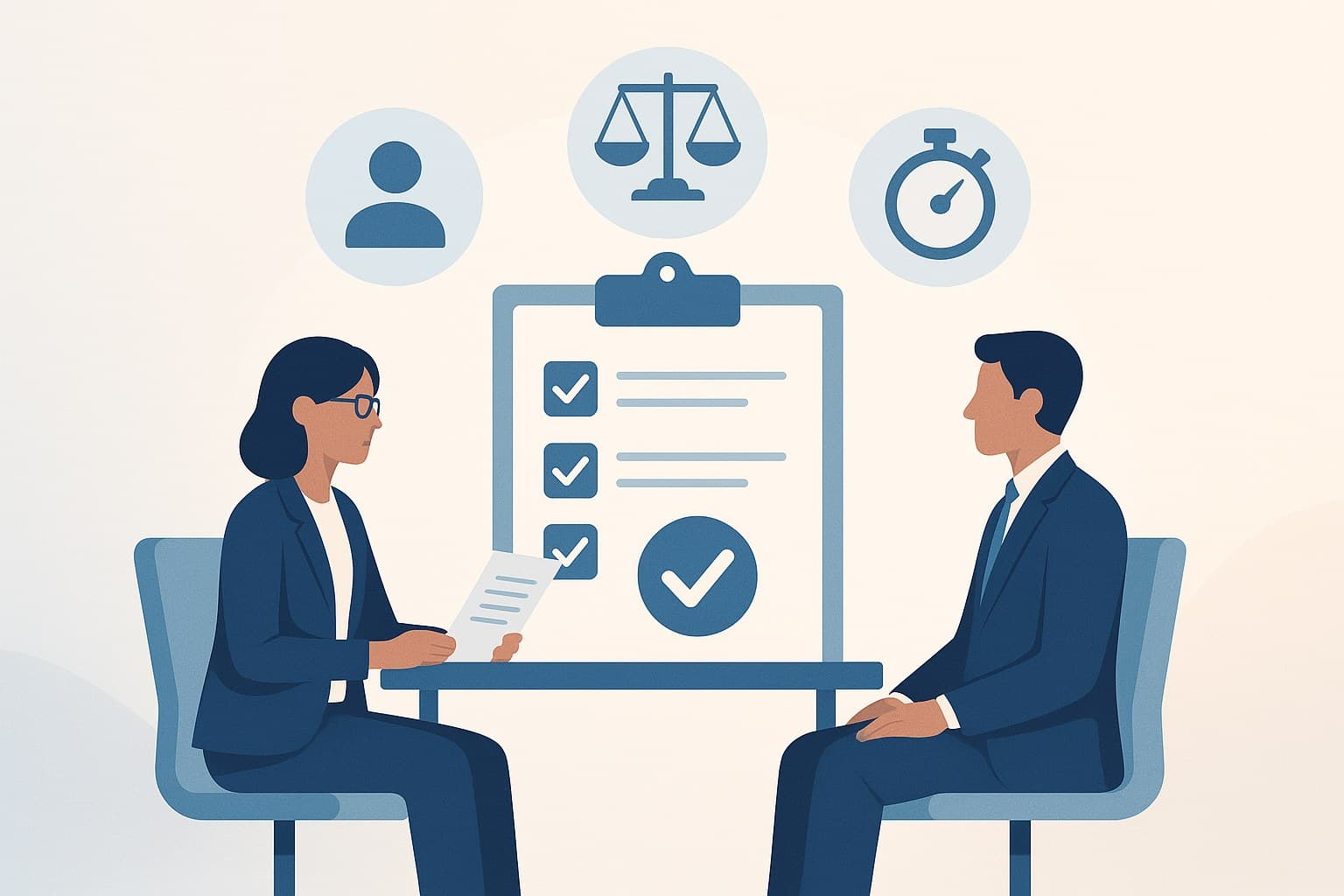
Mastering Behavioral Interviews in the Public Sector
Facing a behavioral interview in the public sector can be daunting for job seekers, especially when the stakes are high. These interviews not only assess your qualifications but also evaluate how well your personal attributes align with the mission-driven values of public sector organizations. Understanding how to effectively navigate these interviews is crucial for candidates aspiring to make a difference through public service roles.
Importance of Behavioral Interviews in the Public Sector
Behavioral interviews have gained prominence in the public sector due to their ability to predict future job performance based on past behaviors. Unlike traditional interviews that may focus solely on technical skills, behavioral interviews delve into how candidates have handled situations relevant to the role they are applying for. This approach is critical in the public sector, where employees are often required to work under pressure, manage diverse teams, and adhere to strict ethical standards.
The importance of these interviews lies in their capacity to reveal how candidates align with core public sector values such as accountability, transparency, and integrity. For instance, a hiring manager at a mid-size government agency might want to evaluate a candidate’s ability to handle public scrutiny or collaborate with stakeholders from various backgrounds. Understanding these dynamics is essential for applicants who wish to make a meaningful impact in public service.
Common Challenges and Misconceptions
One of the most common challenges candidates face is the misconception that behavioral interviews are solely about past experiences. While it is true that these interviews focus on previous behaviors, they also assess a candidate's potential to apply learned skills in future scenarios. This can be confusing for those who are new to the format, leading to under-preparation.
Another misconception is that providing the “right” answer is what matters most. In reality, interviewers are interested in the thought process behind your actions and decisions. For instance, when asked about a time you faced a conflict in a team, they are less interested in the conflict itself and more in how you resolved it and what you learned from the experience. This misinterpretation can lead candidates to focus too much on the outcome rather than the process, which is a critical aspect of behavioral interviews.
Core Concepts and Principles
At the heart of behavioral interviews is the STAR method, which stands for Situation, Task, Action, and Result. This structured framework helps candidates present their experiences in a coherent and comprehensive manner. By clearly outlining the situation, explaining the task at hand, detailing the actions taken, and summarizing the results, candidates can effectively demonstrate their competencies and decision-making capabilities.
Understanding the principles behind the STAR method is vital. It allows candidates to provide evidence of their skills and competencies, making it easier for interviewers to visualize how these attributes would transfer to the role in question. For example, a public sector candidate might use the STAR method to illustrate how they successfully managed a project with limited resources, highlighting their problem-solving skills and adaptability.
Effective Preparation Strategies
Preparing for a behavioral interview requires more than just rehearsing potential questions. Candidates should start by thoroughly researching the organization and understanding the key competencies required for the role. Identifying these competencies will help tailor your responses to align with the organization's goals and values.
Practicing with mock interviews can also be beneficial. Engaging in role-playing scenarios with peers or mentors allows candidates to receive constructive feedback and refine their responses. Additionally, reflecting on past experiences and categorizing them based on different competencies (such as leadership, communication, and teamwork) can provide a valuable reservoir of examples to draw from during the interview.
Moreover, it's crucial to remain adaptable during these interviews. While preparation is key, candidates should be ready to modify their examples based on the interviewer’s cues. This flexibility demonstrates not only preparedness but also the ability to think on one’s feet—an essential quality in public sector roles.
Anonymous Scenarios and Common Traps
Consider the case of a job applicant for a public health position. During their behavioral interview, they were asked to describe a time they managed a crisis. The candidate prepared extensively but fell into the trap of providing overly detailed descriptions of the situation, thus running out of time to effectively discuss the resolution and outcomes.
This scenario highlights a common pitfall: focusing too much on setting the scene and neglecting the more critical parts of the STAR method. Candidates should aim for a balanced approach, ensuring each aspect—Situation, Task, Action, and Result—is covered succinctly and effectively.
Conclusion
The journey through behavioral interviews in the public sector is one that demands preparation, reflection, and adaptability. By understanding the importance of these interviews, addressing common misconceptions, applying core concepts like the STAR method, and employing effective preparation strategies, candidates can enhance their chances of success. Remember, your past behaviors are keys to unlocking future opportunities; make them count.
As you prepare for your next interview, consider this: How can you turn your past experiences into compelling stories that showcase your potential to contribute to the public sector? The answer to this question could very well be your ticket to a rewarding career in public service.
Frequently Asked Questions
Key questions often raised by business leaders and HR teams:
What is the STAR method?
The STAR method stands for Situation, Task, Action, and Result. It is a structured approach to answering behavioral interview questions by clearly outlining your experiences.
How can I prepare for a behavioral interview?
Research the organization, understand key competencies, and practice with mock interviews. Reflecting on past experiences can also help you prepare.
What are common pitfalls in behavioral interviews?
Common pitfalls include focusing too much on the situation rather than the action and result, and failing to provide quantifiable outcomes for your contributions.
Why are behavioral interviews important in the public sector?
Behavioral interviews help predict future job performance based on past behaviors, which is crucial in roles that require accountability and teamwork.
How can I demonstrate adaptability during an interview?
Be prepared to modify your examples based on the interviewer's cues and show that you can think on your feet, which is essential in public sector roles.