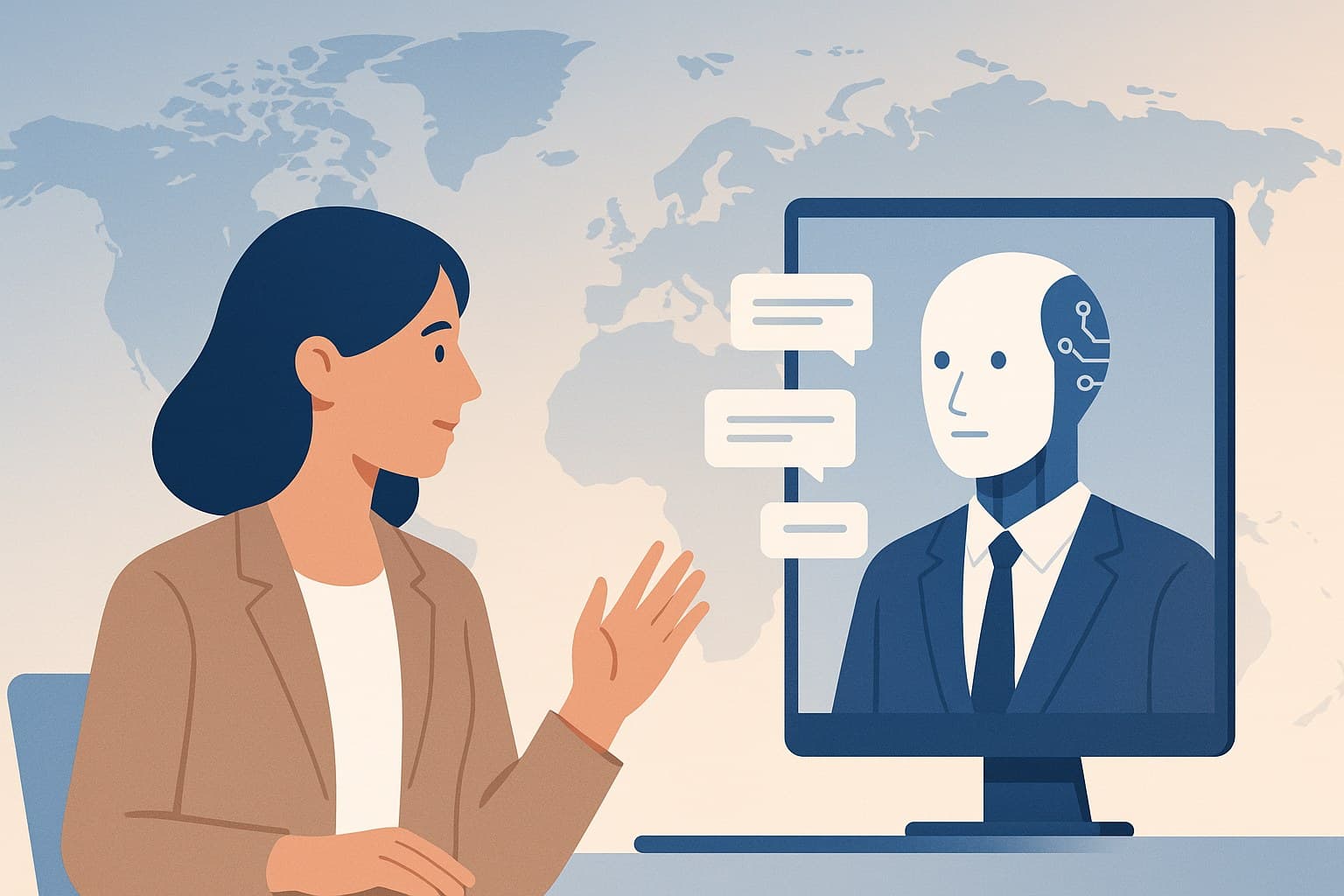
Bias Testing Checklist for Hiring AI: Ensuring Fair and Equitable Recruitment
As artificial intelligence continues to revolutionize the recruitment process, businesses are increasingly turning to AI-driven hiring solutions. These technologies promise to streamline operations, reduce costs, and enhance candidate experiences. However, AI systems are not immune to biases, which can lead to unfair hiring practices and discrimination. To mitigate these risks, organizations must implement a comprehensive bias testing checklist for their AI hiring tools. This article explores the importance of bias testing, provides a detailed checklist, and offers actionable insights for businesses.
Understanding Bias in AI Hiring Systems
Bias in AI systems occurs when algorithms produce prejudiced outcomes due to flawed data, design, or operational processes. In the context of hiring, bias can manifest in various forms, such as gender, race, or age discrimination. These biases arise from several sources:
- Historical Data Bias: AI models trained on historical hiring data may learn and replicate past biases.
- Algorithmic Bias: The design of the algorithm itself may inherently favor certain groups over others.
- Cultural Bias: Societal norms and cultural perspectives encoded in data can skew AI decisions.
Bias in AI hiring systems can have significant legal and ethical implications, including violations of equal employment opportunity laws and damage to an organization's reputation. Therefore, it is crucial to rigorously test AI models for biases.
The Importance of a Bias Testing Checklist
A bias testing checklist serves as a structured approach to identify and mitigate biases in AI hiring systems. It helps ensure that the AI tools align with organizational values, comply with legal standards, and promote diversity and inclusion. Key benefits of implementing a bias testing checklist include:
- Risk Mitigation: Reduces the risk of biased hiring decisions and potential legal challenges.
- Reputation Management: Demonstrates a commitment to fairness and equality, enhancing the organization's brand image.
- Enhanced Diversity: Supports more inclusive hiring practices, which can lead to a more diverse workforce and improved business outcomes.
Developing a Bias Testing Checklist for Hiring AI
To effectively test for bias in AI hiring systems, organizations should develop a comprehensive checklist. This checklist should cover various stages of the AI lifecycle, from data collection to post-deployment monitoring. Below are essential components of a bias testing checklist:
1. Data Collection and Preparation
- Diverse Data Sources: Ensure training data is sourced from diverse populations to capture a wide range of attributes and experiences.
- Data Anonymization: Remove personally identifiable information to prevent the model from learning irrelevant social biases.
- Balanced Representation: Check for balanced representation of different demographic groups within the dataset.
2. Model Training and Validation
- Bias Detection Tools: Utilize tools like AI Fairness 360 and Fairlearn to identify potential biases during model training.
- Cross-Validation: Implement cross-validation techniques to assess model performance across various subsets of data.
- Regular Audits: Conduct periodic audits of the AI model to evaluate changes in bias levels over time.
3. Algorithm Design and Implementation
- Algorithm Transparency: Ensure that the decision-making process of the AI system is transparent and explainable.
- Fairness Constraints: Integrate fairness constraints into the algorithm to minimize bias.
- Human Oversight: Involve human experts to review and validate AI-driven hiring decisions.
4. Deployment and Monitoring
- Continuous Monitoring: Set up systems for ongoing monitoring of AI outputs to detect and address biases in real-time.
- Feedback Mechanisms: Implement feedback loops to gather input from users and adjust the AI system accordingly.
- Impact Assessment: Regularly assess the impact of AI hiring decisions on diversity and inclusion metrics.
Realistic Data Points and Insights
To understand the prevalence and impact of bias in AI hiring systems, it is essential to consider current research and data. For example, a study by the National Bureau of Economic Research found that resumes with African American-sounding names received significantly fewer callbacks than those with white-sounding names, highlighting the potential for bias in AI-powered resume screening tools.
Furthermore, a 2021 report by Gartner indicated that 75% of organizations using AI for hiring had experienced at least one instance of bias within their systems. This underscores the need for robust bias testing practices to ensure equitable outcomes.
Actionable B2B Takeaways
Businesses looking to implement AI hiring solutions should consider the following actionable insights to mitigate bias and enhance fairness:
- Invest in Bias Testing Tools: Allocate resources to acquire and implement advanced bias detection and mitigation tools.
- Foster a Culture of Inclusion: Educate stakeholders about the importance of diversity and inclusion in AI-driven hiring practices.
- Engage Diverse Teams: Involve diverse teams in the development and testing of AI models to provide varied perspectives and insights.
- Collaborate with Experts: Partner with external experts and organizations specializing in AI ethics and bias mitigation.
- Document and Communicate Efforts: Maintain detailed documentation of all bias testing activities and communicate efforts to stakeholders and the public.
Conclusion
As AI continues to reshape the hiring landscape, businesses must be vigilant in addressing potential biases. A comprehensive bias testing checklist is an essential tool for ensuring that AI hiring systems are fair, equitable, and aligned with organizational values. By implementing rigorous bias testing practices, organizations can mitigate risks, enhance their reputation, and contribute to a more inclusive workforce. Ultimately, the commitment to fairness in AI hiring not only benefits the individual candidates but also drives better business outcomes and societal progress.
Frequently Asked Questions
Key questions often raised by business leaders and HR teams:
What is bias testing in AI hiring?
Bias testing in AI hiring involves evaluating algorithms to identify and reduce prejudiced outcomes that can lead to unfair hiring practices.
Why is a bias testing checklist important?
A bias testing checklist is crucial for ensuring that AI hiring tools align with legal standards and promote diversity, helping to mitigate risks of discrimination.
How can organizations implement bias testing?
Organizations can implement bias testing by utilizing tools for bias detection, ensuring diverse data sources, and conducting regular audits of their AI systems.
What are common sources of bias in AI hiring?
Common sources include historical data bias, algorithmic bias, and cultural bias, all of which can affect the fairness of hiring decisions.
How can businesses promote diversity in AI hiring?
Businesses can promote diversity by involving diverse teams in AI model development, investing in bias testing tools, and fostering a culture of inclusion.