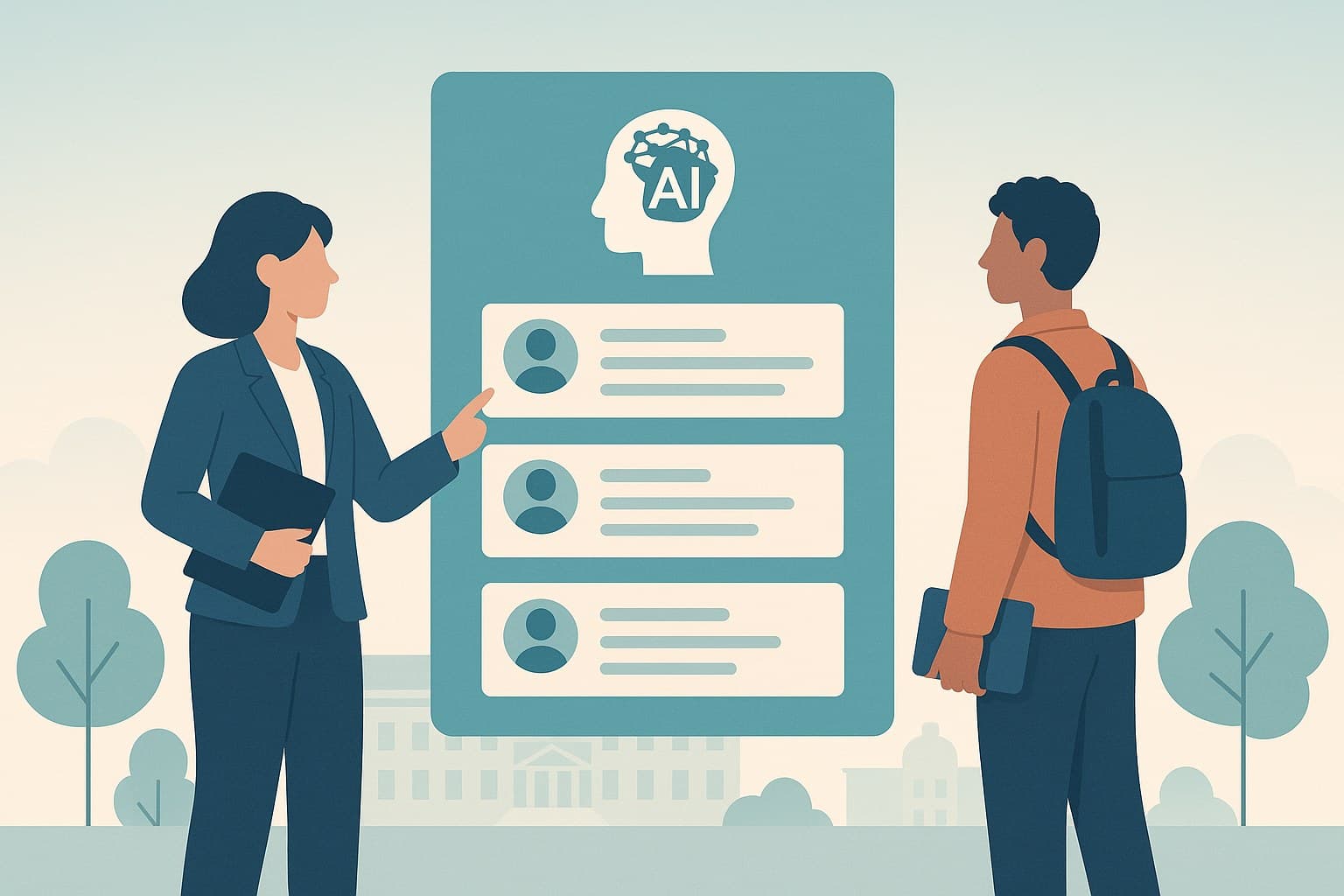
Ensuring Fairness in Hiring: A Guide to Bias Testing Checklists for AI in Recruitment
In the contemporary corporate landscape, the utilization of Artificial Intelligence (AI) in recruitment processes has become increasingly prevalent. From screening resumes to conducting initial interviews, AI technologies promise efficiency and objectivity. However, with great power comes great responsibility. The potential for bias in AI systems is a pressing concern that can lead to unfair hiring practices, undermine diversity, and expose companies to legal and reputational risks. For HR leaders and corporate decision-makers, implementing a bias testing checklist for hiring AI is not just prudent—it's essential.
Understanding AI Bias in Hiring
AI systems learn from data. In recruitment, this typically involves analyzing past hiring decisions to predict future ones. If past data reflect biases—whether conscious or unconscious—these can be perpetuated or even amplified by AI. For instance, if historically, a company has favored candidates from certain demographics, an AI system trained on this data might continue to prefer similar profiles, thereby excluding qualified candidates from diverse backgrounds.
The Importance of a Bias Testing Checklist
A bias testing checklist serves as a structured approach to identify and mitigate potential biases in AI systems. It ensures that the AI tools used in the recruitment process promote fairness and equity, aligning with both ethical standards and legal requirements. Here's how HR leaders and decision-makers can develop and implement an effective bias testing checklist:
1. Define Clear Objectives
The first step is to clearly define the objectives of using AI in recruitment. What specific problems is the AI intended to solve? Is it meant to enhance efficiency, improve candidate quality, or increase diversity? Clear objectives help in tailoring the AI system to meet specific goals without compromising fairness.
2. Data Collection and Preprocessing
Ensure that the data used to train the AI is comprehensive and representative of the broader talent pool. This involves collecting data from a variety of sources and demographics to avoid over-representing any particular group. Data preprocessing should include anonymizing sensitive information to prevent the AI from making biased decisions based on race, gender, or other protected characteristics.
3. Bias Audits and Testing
Conduct regular bias audits using a standardized checklist. This involves testing the AI system with different demographic groups to ensure it performs equitably. Bias testing should cover various stages of the recruitment process, from resume screening to interview analysis. Metrics such as selection rates, candidate feedback, and hiring outcomes should be analyzed to identify potential disparities.
4. Algorithm Transparency
Ensure that the AI algorithms used are transparent and interpretable. HR leaders should work with AI vendors to understand how decisions are made and what factors are considered. Transparent algorithms allow for easier identification of bias sources and enable stakeholders to make informed decisions about AI deployment.
5. Continuous Monitoring and Feedback
AI systems are not static; they learn and evolve over time. Continuous monitoring is essential to ensure they remain free from bias. Implement feedback loops where candidates and hiring managers can report potential biases or unfair practices. This feedback should be used to refine and improve the AI system continually.
6. Diverse Development Teams
The teams responsible for developing and maintaining AI systems should themselves be diverse. A diverse team is more likely to recognize and address potential biases that could affect different demographic groups. Encourage collaboration between data scientists, HR professionals, and ethicists to create a holistic approach to bias mitigation.
7. Compliance and Ethical Guidelines
Align the AI system with existing legal frameworks and ethical guidelines for fair hiring practices. This includes adhering to equal employment opportunity laws and ensuring that AI tools do not inadvertently discriminate against protected classes. Regular compliance checks should be part of the bias testing checklist.
8. Training and Awareness
Educate HR teams and decision-makers about AI bias and its implications. Training sessions can help stakeholders understand the importance of bias testing and how to effectively implement the checklist. Awareness campaigns can also promote a culture of fairness and inclusivity within the organization.
Conclusion
AI in recruitment offers transformative potential, but with this potential comes the responsibility to ensure fairness and equity. For HR leaders and corporate decision-makers, implementing a comprehensive bias testing checklist is a strategic imperative. By proactively addressing bias, companies can reap the benefits of AI while fostering a diverse and inclusive workforce. As the landscape of AI continues to evolve, staying vigilant and committed to fairness will be key to sustainable and ethical business practices.
Frequently Asked Questions
Key questions often raised by business leaders and HR teams:
What is AI bias in recruitment?
AI bias in recruitment refers to the unfair preference or discrimination against certain demographic groups due to biased training data used in AI systems.
Why is a bias testing checklist important?
A bias testing checklist is essential to identify and mitigate biases in AI systems, ensuring fair and equitable hiring practices.
How can companies ensure their AI systems remain unbiased?
Companies can ensure their AI systems remain unbiased by conducting regular audits, using diverse data sets, and implementing continuous monitoring and feedback mechanisms.
What role do diverse teams play in AI development?
Diverse teams are crucial in AI development as they are more likely to recognize and address biases that may affect different demographic groups.
How can HR professionals educate themselves about AI bias?
HR professionals can educate themselves about AI bias through training sessions, workshops, and awareness campaigns focused on the implications of AI in recruitment.