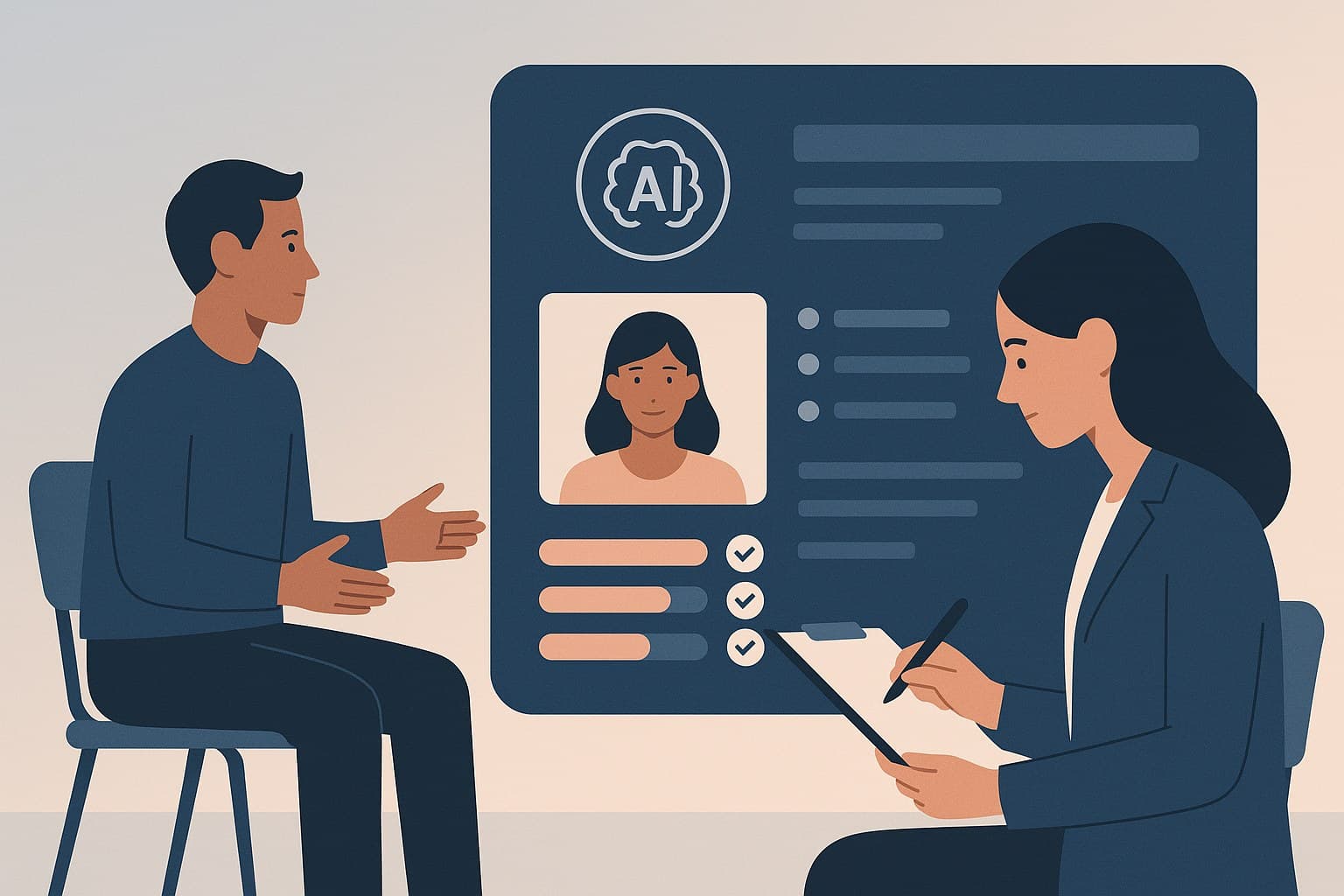
Content-Only Scoring: A Look at Biometrics in Hiring and the Importance of Bias and Auditability
In today's fast-paced society, technology has become a crucial aspect of our everyday lives. From smartphones to virtual assistants, technology has made our lives easier and more efficient. This also applies to the hiring process, where companies are now incorporating biometric technology and content-only scoring to streamline their recruitment process.
But what exactly is content-only scoring and how does it relate to biometrics in hiring? In this article, we will delve into the world of biometrics in hiring, the concept of content-only scoring, and the importance of bias and auditability in the hiring process.
The Rise of Biometrics in Hiring
Biometrics has been gaining traction in the hiring process in recent years. This technology involves the use of physical or behavioral characteristics to identify individuals. Facial recognition, fingerprint scans, iris scans, and voice recognition are just some of the examples of biometric technology used in hiring.
The use of biometrics in hiring has been touted as a more efficient and objective way to evaluate candidates. It eliminates the need for traditional methods such as resumes and cover letters, which can be subjective and prone to bias. Biometric technology also speeds up the hiring process by automating the screening and evaluation of candidates.
The Concept of Content-Only Scoring
Content-only scoring is a hiring technique that focuses solely on the content of a candidate's application. This means that factors such as name, gender, age, and educational background are eliminated from the evaluation process. Instead, the focus is on the skills, experience, and qualifications of the candidate.
The goal of content-only scoring is to eliminate any potential bias that may arise from personal information. By removing these factors, companies can ensure that candidates are evaluated solely on their abilities and qualifications, rather than any other external factors.
The Importance of Bias and Auditability in Hiring
Bias in hiring has been a long-standing issue in the corporate world. It can take many forms, from gender and racial bias to age and educational bias. These biases can lead to discriminatory hiring practices and ultimately affect the diversity and inclusivity of a company.
This is where the importance of auditability comes into play. Auditability refers to the ability to review and analyze the hiring process to identify any potential biases. It allows companies to track and analyze the data used in the hiring process to ensure that all candidates are evaluated fairly.
Transparency is a key aspect of auditability. Companies must disclose their hiring practices and provide candidates with information on how they were evaluated. This includes the data sources used and the impact ratios of each factor in the hiring decision.
The Role of Content-Only Scoring in Addressing Bias
Content-only scoring plays a crucial role in addressing bias in the hiring process. By removing personal information, it eliminates the potential for unconscious biases to influence the evaluation of candidates.
Moreover, with the use of biometric technology, content-only scoring can analyze a candidate's skills and qualifications objectively. This removes any subjective judgments that may arise from traditional hiring methods.
Content-only scoring also allows for a more diverse pool of candidates as it eliminates any bias that may exist in the traditional hiring process. This promotes a more inclusive workplace where employees are chosen based on their abilities rather than their background.
The Need for Ethical Implementation
Therefore, it is essential for companies to ensure that the technology used is unbiased and does not discriminate against any group. Regular audits and transparency in the hiring process can help address any potential issues and ensure fair and ethical hiring practices.
The Future of Hiring: A Combination of Technology and Human Judgment
In conclusion, biometrics and content-only scoring are revolutionizing the hiring process. They offer a more efficient and objective way to evaluate candidates, while also addressing issues of bias and inclusivity. However, it is crucial to implement these technologies ethically and transparently to ensure fair and unbiased hiring practices.
Moreover, it is essential to remember that while technology can aid in the hiring process, it should not replace human judgment entirely. Human interaction and judgment are still crucial in evaluating soft skills and cultural fit, which cannot be measured by technology alone.
As we move towards a more tech-driven world, it is crucial to find a balance between technology and human judgment in the hiring process. This will not only promote fair and inclusive hiring practices but also lead to a diverse and well-rounded workforce.
In conclusion, the use of biometric technology and content-only scoring is a step in the right direction towards a more objective and inclusive hiring process. By incorporating ethical implementation and regular audits, companies can ensure that their hiring practices are fair, transparent, and unbiased.
Click here to learn more about Skima AI's content-only scoring approach, which eliminates the most common sources of systematic bias before evaluating a candidate's resume.
Frequently Asked Questions
Key questions often raised by business leaders and HR teams:
What is content-only scoring?
Content-only scoring is a hiring technique that evaluates candidates based solely on their skills and qualifications, excluding personal information that could introduce bias.
How do biometrics improve the hiring process?
Biometrics streamline the hiring process by using physical or behavioral characteristics to identify candidates, potentially reducing bias and speeding up evaluations.
Why is auditability important in hiring?
Auditability allows companies to review their hiring processes to identify and address any biases, ensuring a fair evaluation of all candidates.
What ethical concerns are associated with biometrics?
Ethical concerns include the potential for bias in biometric technology, which can lead to discriminatory hiring practices if not properly managed.
Can technology replace human judgment in hiring?
While technology can enhance the hiring process, human judgment remains essential for evaluating soft skills and cultural fit that cannot be measured by technology alone.