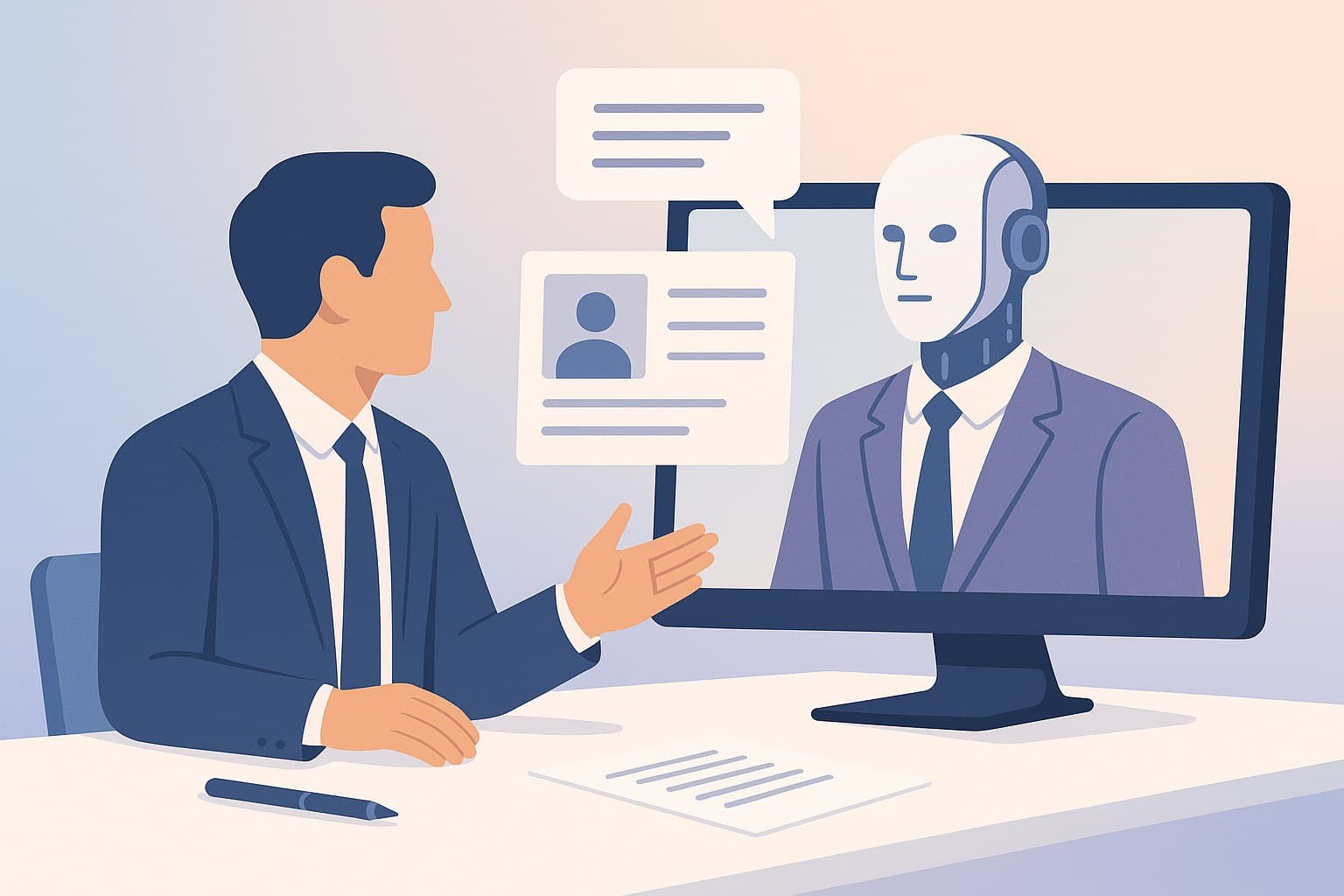
Mastering Body Language in Job Interviews for Success
In today's competitive job market, how you present yourself during an interview can be just as important as the words you say. Mastering body language job interview techniques is crucial for conveying confidence, competence, and a strong personal brand. Understanding and utilizing effective nonverbal communication can dramatically improve your chances of securing that desired position.
Why Body Language Matters in Job Interviews
Body language plays a pivotal role in job interviews because it conveys messages beyond spoken words. When a hiring manager meets a candidate, they are not only listening to the responses but also observing the candidate's nonverbal cues. A confident posture, steady eye contact, and a firm handshake can leave a lasting positive impression. Conversely, poor body language can undermine an otherwise strong verbal performance.
One key reason body language is so important is that it can reveal a candidate's true feelings and attitudes, sometimes even unconsciously. For instance, a candidate might express enthusiasm through words but betray nervousness through fidgeting or lack of eye contact. This disconnect can lead interviewers to question the sincerity or readiness of the candidate.
Moreover, interviews are inherently stressful situations, and body language can be a window into how candidates handle pressure. Recruiters are keen observers of such cues because they hint at how a person might behave in a work environment. Therefore, understanding and mastering body language can help candidates present themselves as composed and capable, even under stress.
Common Body Language Mistakes and How to Avoid Them
Despite its importance, many candidates fall into common body language traps during interviews. One frequent mistake is poor posture. Slouching or leaning back can signal disinterest or a lack of confidence. To avoid this, candidates should sit up straight, with shoulders back, which conveys engagement and self-assurance.
Another common error is the lack of eye contact. While it's natural to feel nervous and occasionally avert your gaze, maintaining consistent eye contact is essential. It demonstrates confidence and helps establish a connection with the interviewer. To improve this, practice by making eye contact while speaking with friends or in the mirror.
Fidgeting is another nonverbal cue that can undermine a candidate's credibility. Actions like tapping fingers, playing with hair, or shaking legs can distract interviewers and suggest nervousness. To combat this, candidates should practice sitting still in a relaxed but poised manner, perhaps holding a pen to occupy their hands subtly.
Inappropriate facial expressions can also send the wrong message. A blank or overly serious expression might be interpreted as disinterest or a lack of enthusiasm. Smiling naturally and at appropriate times can convey warmth and approachability. Practicing in front of a mirror or recording oneself can help candidates become aware of their habitual facial expressions and adjust them accordingly.
The Core Principles of Effective Body Language
To harness the power of body language, candidates should focus on several core principles. The first is congruence, which means ensuring that verbal and nonverbal messages align. When words match body language, it creates a coherent and authentic message. For example, if a candidate expresses excitement about a job opportunity, their facial expressions, gestures, and tone should reflect that excitement.
Another principle is openness. Open body language, such as uncrossed arms and legs, signals receptivity and honesty. Candidates should aim to maintain an open posture throughout the interview to convey trustworthiness and confidence. Closed body language, like crossed arms, can suggest defensiveness or resistance, which may put off interviewers.
The use of gestures is also crucial. Gestures should be purposeful and moderate, enhancing rather than distracting from the spoken message. For instance, slight hand movements can emphasize key points, whereas excessive gesturing might come across as erratic or unprofessional. Practicing hand movements during mock interviews can help candidates find a balance.
Finally, awareness of personal space is important. Candidates should respect the interviewer's personal space to avoid discomfort. Sitting too close can feel intrusive, while sitting too far might seem disengaged. Positioning oneself at a comfortable distance helps maintain a professional atmosphere.
Practical Steps to Improve Your Body Language
Improving body language requires conscious effort and practice. One effective strategy is to participate in mock interviews. These simulations provide a safe environment to practice body language and receive feedback. Candidates can record these sessions to observe their own nonverbal cues and make necessary adjustments.
Another practical step is mindfulness. Being present during an interview helps candidates maintain better control over their body language. Techniques such as deep breathing can reduce anxiety, allowing candidates to focus on their posture and gestures. Mindfulness exercises can be practiced regularly to improve overall body awareness.
Additionally, visualization can be a powerful tool. Before an interview, candidates can visualize themselves entering the interview room confidently, shaking hands firmly, and engaging positively with the interviewer. This mental rehearsal can boost confidence and reinforce positive body language habits.
Feedback from friends or mentors is also invaluable. They can offer an outsider's perspective on how one's body language might be perceived. Constructive criticism can guide candidates in refining their nonverbal communication skills.
Anonymous Scenarios: Common Pitfalls in Interviews
Consider the scenario of a recent graduate attending their first interview. Despite preparing thoroughly, they struggle with maintaining eye contact and accidentally fidget throughout the session. The interviewer, noticing these cues, might question the candidate's readiness for the role, despite their impressive resume.
In another scenario, a mid-career professional seeking a role in management might convey confidence verbally but exhibit closed body language by crossing their arms. This contradiction could lead the interviewer to doubt the candidate's openness to collaboration, a key trait for leadership positions.
These scenarios highlight how easily body language can impact an interview outcome. Candidates must be mindful of these pitfalls and work on aligning their nonverbal cues with their verbal messages.
Conclusion
Mastering body language in job interviews is an essential skill for job seekers at all career stages. Effective nonverbal communication can enhance a candidate's presence, convey confidence, and leave a lasting impression on interviewers. By avoiding common pitfalls, understanding core principles, and taking practical steps to improve, candidates can significantly increase their chances of interview success.
As you prepare for your next interview, consider this: How will you ensure that your body language reinforces your verbal message? Taking the time to refine these skills can make all the difference in achieving your career goals.
Frequently Asked Questions
Key questions often raised by business leaders and HR teams:
Why is body language important in job interviews?
Body language conveys messages beyond spoken words, influencing how interviewers perceive candidates. It can reveal confidence, competence, and even true feelings.
What are common body language mistakes to avoid during interviews?
Common mistakes include poor posture, lack of eye contact, fidgeting, and inappropriate facial expressions. These can undermine your verbal communication.
How can I improve my body language for interviews?
Practice mock interviews, maintain mindfulness, and seek feedback from friends or mentors to refine your nonverbal communication skills.
What does congruence in body language mean?
Congruence means ensuring that your verbal and nonverbal messages align, creating a coherent and authentic message during the interview.
How does personal space affect body language in interviews?
Respecting personal space is crucial; sitting too close can feel intrusive, while sitting too far can seem disengaged. Aim for a comfortable distance.