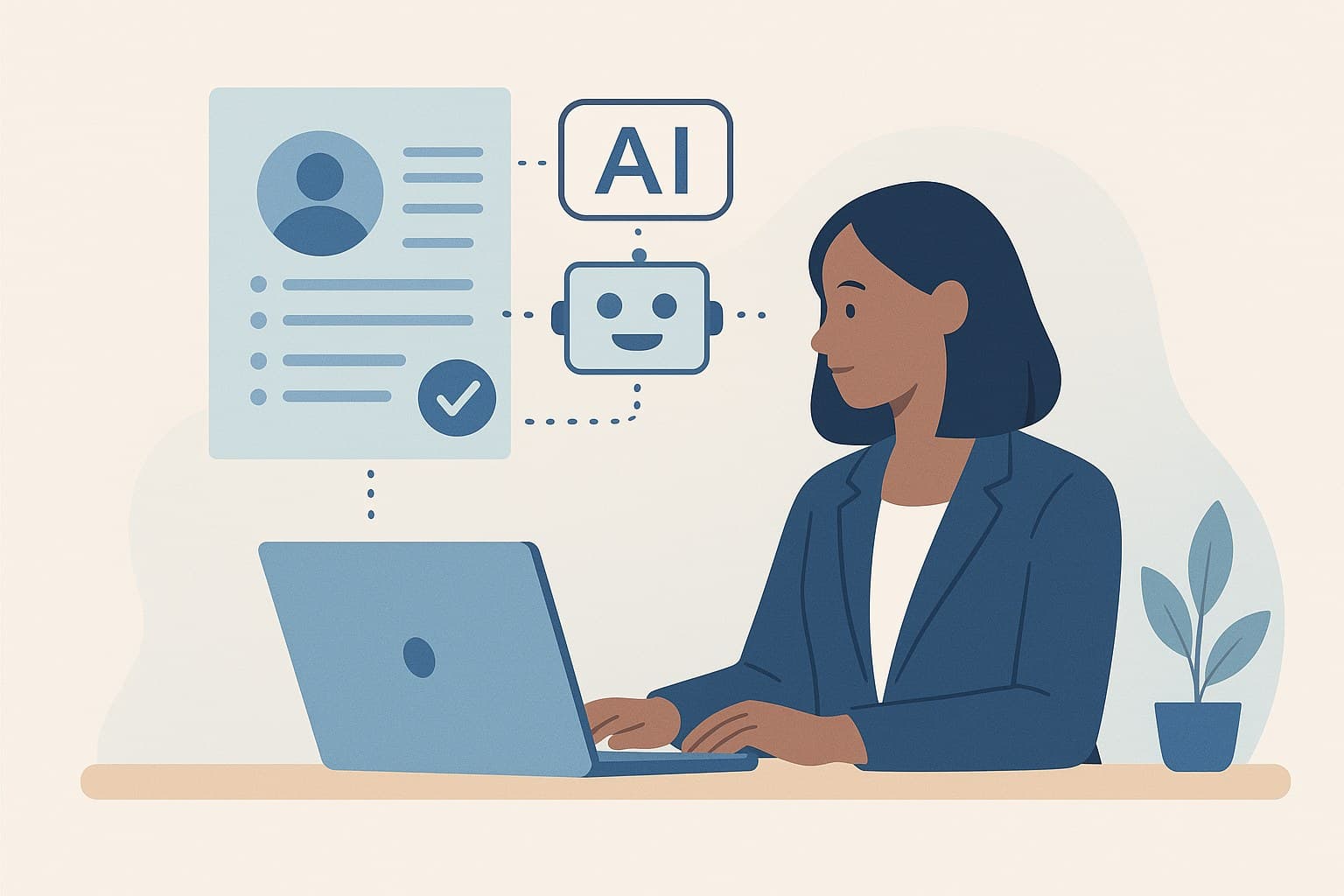
Calibrating AI Interview Scores: A Guide for Business Decision-Makers and HR Leaders
In the rapidly evolving landscape of recruitment, artificial intelligence (AI) has emerged as a powerful tool for enhancing the efficiency and effectiveness of the hiring process. Among its many applications, AI-powered interview scoring systems have gained traction for their ability to objectively evaluate candidates' responses and predict their suitability for specific roles. However, like any technology, the success of AI in recruitment heavily depends on its proper calibration and integration into existing HR practices. This article aims to provide business decision-makers and HR leaders with insights into the importance of calibrating AI interview scores and how to effectively implement this technology in their recruitment strategies.
Understanding AI Interview Scores
AI interview scoring systems analyze candidates' responses during interviews using natural language processing (NLP) and machine learning algorithms. These systems assess various factors such as language fluency, emotional tone, relevant experience, and cultural fit, providing a quantitative score that predicts a candidate's suitability for the role. The benefits of using AI in this context include reducing human bias, increasing consistency in evaluations, and processing large volumes of candidate data swiftly.
The Importance of Calibration
Calibration is the process of fine-tuning the AI system to ensure that its outputs accurately reflect the qualities and competencies that align with the organization's goals and values. Without proper calibration, AI systems may produce skewed or biased results, leading to suboptimal hiring decisions. Here are some reasons why calibration is crucial:
-
Bias Mitigation: AI systems learn from historical data, which might contain inherent biases. Calibration helps in identifying and correcting these biases, ensuring fairer evaluations.
-
Alignment with Organizational Values: Every organization has unique values and culture. Calibration ensures that the AI system's scoring aligns with these values, enhancing the cultural fit of new hires.
-
Accuracy and Reliability: Regular calibration improves the accuracy of the AI system, making its predictions more reliable over time.
-
Regulatory Compliance: Calibration helps ensure that AI systems comply with legal and ethical standards, especially concerning non-discrimination in hiring practices.
Steps to Calibrate AI Interview Scores
-
Define Success Metrics: Begin by identifying the key competencies and characteristics that define a successful employee in your organization. This involves collaborating with stakeholders across departments to ensure a comprehensive understanding of these metrics.
-
Data Collection and Analysis: Gather historical data on past hiring decisions, including performance outcomes of previous hires. Analyze this data to identify patterns and attributes that correlate with success in various roles.
-
Training the AI Model: Use the collected data to train the AI model. This involves feeding the system examples of candidate responses and corresponding outcomes to help it learn which factors are most predictive of success.
-
Continuous Testing and Validation: Implement a continuous feedback loop where the AI model's predictions are regularly tested against real-world outcomes. This helps in identifying any discrepancies and making necessary adjustments.
-
Human Oversight and Intervention: Maintain a balance between AI and human judgment. Ensure that HR professionals review AI-generated scores and provide input, particularly in cases where the AI’s judgment may be uncertain or ambiguous.
-
Regular Updates and Improvements: As the organization evolves, so too should the AI system. Regularly update the system to reflect changes in organizational goals, market conditions, and job requirements.
Challenges and Considerations
Despite the advantages, implementing AI in recruitment is not without challenges. Decision-makers must be aware of the following:
-
Data Privacy: Handling candidate data responsibly is crucial. Ensure compliance with data protection regulations such as GDPR or CCPA.
-
Candidate Perception: Transparency with candidates about the use of AI in the hiring process can alleviate concerns and improve their experience.
-
Integration with Existing Systems: Seamless integration with existing HR systems is necessary to maximize the benefits of AI technology.
Conclusion
The integration of AI interview scoring systems into recruitment processes represents a significant advancement in hiring practices. However, the success of this technology hinges on careful calibration and thoughtful implementation. By understanding the importance of calibration and following best practices, business decision-makers and HR leaders can harness AI's potential to create a more efficient, fair, and effective hiring process. Embracing these technologies with a strategic approach will not only enhance recruitment outcomes but also position organizations at the forefront of innovation in the human resources domain.
Frequently Asked Questions
Key questions often raised by business leaders and HR teams:
What is the purpose of calibrating AI interview scores?
Calibrating AI interview scores ensures that the evaluations align with organizational values and reduce bias, leading to better hiring decisions.
How can organizations collect data for AI calibration?
Organizations can gather historical hiring data, including past candidate performance, to analyze patterns that contribute to successful hires.
What role does human oversight play in AI recruitment?
Human oversight is crucial to review AI-generated scores, particularly in ambiguous cases, ensuring a balanced approach between technology and human judgment.
What challenges might arise when implementing AI in recruitment?
Challenges include data privacy concerns, candidate perception of AI use, and the need for seamless integration with existing HR systems.
How often should AI systems be updated?
AI systems should be updated regularly to reflect changes in organizational goals, job requirements, and market conditions.