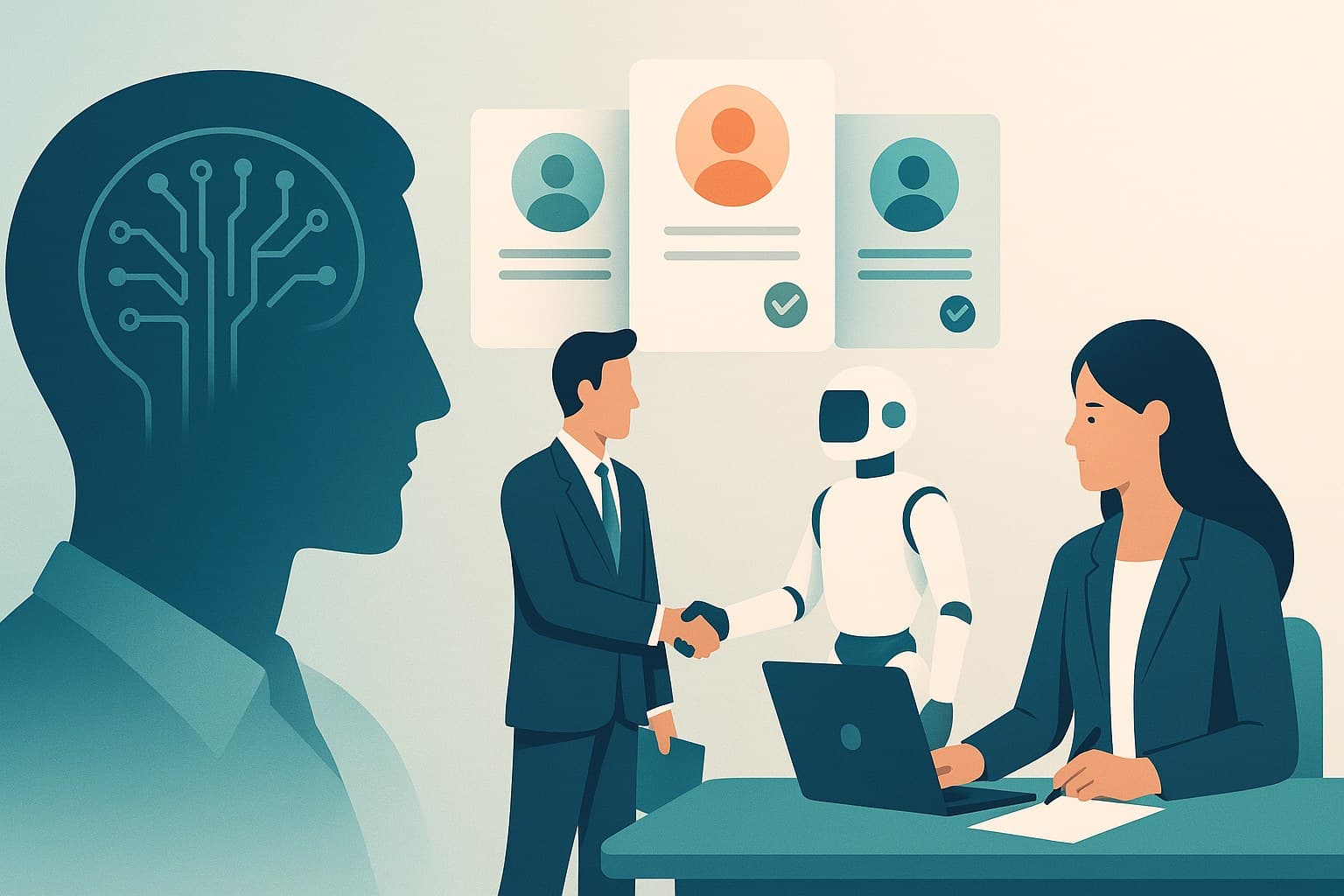
Calibrating Hiring Managers: The Role of AI in Interviews
As technology continues to advance, the hiring process has also undergone significant changes. One of the most notable changes is the integration of AI into the recruitment process. AI-powered tools are now being used by organizations to streamline their hiring process and make more informed decisions.
However, the success of AI in recruitment heavily relies on the calibration of hiring managers. In this article, we will explore the concept of calibrating hiring managers and how it can ensure consistent hiring decisions for organizations. We will also discuss the role of AI in interviews and how it can be calibrated to improve the hiring process.
Understanding Calibration
In the recruitment process, calibration refers to the process of ensuring consistency in hiring decisions. It involves standardizing the evaluation criteria used by hiring managers to assess candidates. This is important because it ensures that all candidates are evaluated based on the same set of criteria, eliminating any potential bias or subjectivity.
Calibration is crucial for organizations as it helps them make more objective and accurate hiring decisions. This is especially important in today's competitive job market, where organizations need to attract and retain top talent to stay ahead of the competition.
The Need for Calibrating Hiring Managers
In traditional hiring processes, hiring managers often rely on their own judgment and experience to evaluate candidates. However, this can lead to inconsistencies and biases, resulting in poor hiring decisions. With the integration of AI in recruitment, organizations now have access to data-driven insights that can help them make more informed decisions.
However, for AI to be effective in recruitment, it needs to be calibrated to the standards of the organization. This is where the role of hiring managers comes into play. They need to be trained to use AI-powered tools and understand how to interpret the data provided by these tools. Without proper calibration, AI can lead to inaccurate or biased hiring decisions.
How to Calibrate Hiring Managers
Calibrating hiring managers involves several steps, including:
1. Establishing a Consistent Evaluation Process
The first step in calibrating hiring managers is to establish a consistent evaluation process. This involves defining the criteria that will be used to assess candidates and ensuring that all hiring managers are using the same criteria. This helps eliminate any potential bias and ensures that all candidates are evaluated fairly.
2. Training Hiring Managers on AI Tools
As mentioned earlier, hiring managers need to be trained on how to use AI-powered tools effectively. They need to understand how to interpret the data provided by these tools and how to incorporate it into their decision-making process. This will help ensure that the data is used consistently and accurately across all hiring managers.
3. Regular Calibration Sessions
To ensure consistency in hiring decisions, regular calibration sessions should be conducted. This involves reviewing past decisions and discussing any discrepancies or inconsistencies. These sessions can also help identify any areas for improvement and provide opportunities for further training and development.
4. Encouraging Feedback and Collaboration
Calibration also requires open communication and collaboration between hiring managers. Encouraging feedback and discussions can help identify any potential biases and ensure that all hiring managers are on the same page when it comes to evaluating candidates.
The Role of AI in Interviews
AI has revolutionized the recruitment process by automating time-consuming tasks such as resume screening and scheduling interviews. This has significantly reduced the time and effort required by hiring managers, allowing them to focus on other important tasks.
However, one area where AI has the potential to make a significant impact is in interviews. AI-powered video interviews, in particular, can provide valuable insights into a candidate's communication skills, body language, and emotional intelligence. This can help hiring managers make more informed decisions and improve the overall quality of hires.
Calibrating AI Interviews
For AI to be effective in interviews, it needs to be calibrated to the organization's standards. This involves training the AI models to recognize and evaluate specific traits and skills required for the job. It also involves regularly reviewing and updating the criteria used by the AI to ensure that it is aligned with the organization's goals and values.
Moreover, AI interviews should also be calibrated to ensure fairness and eliminate any potential biases. This can be achieved by regularly reviewing and updating the data used by the AI, as well as conducting regular calibration sessions with hiring managers.
Conclusion: The Importance of Calibrating Hiring Managers and AI Interviews
In today's highly competitive job market, organizations need to make smart and informed hiring decisions. This requires calibrating both hiring managers and AI-powered tools to ensure consistency and fairness in the recruitment process. By establishing a consistent evaluation process, training hiring managers on AI tools, and conducting regular calibration sessions, organizations can make more informed and unbiased hiring decisions.
With the help of AI-powered interviews, organizations can gain valuable insights into a candidate's skills and traits, making it easier to identify the best fit for the job. However, it is crucial to calibrate AI interviews to ensure fairness and accuracy.
If you are looking to improve your hiring process and make more informed decisions, consider using MIND Interview. As an enterprise-grade AI recruitment platform, MIND Interview offers AI-powered resume analysis and structured asynchronous video interviews to help you find the best candidates. With its validated and bias-tested AI, you can have confidence in the fairness and accuracy of your hiring decisions. Book a demo today and see the difference for yourself.
Frequently Asked Questions
Key questions often raised by business leaders and HR teams:
What is the purpose of calibrating hiring managers?
Calibrating hiring managers ensures consistency in hiring decisions by standardizing evaluation criteria and reducing bias.
How does AI improve the hiring process?
AI streamlines tasks like resume screening and can provide insights during interviews, helping hiring managers make informed decisions.
What steps are involved in calibrating hiring managers?
Key steps include establishing a consistent evaluation process, training on AI tools, conducting regular calibration sessions, and encouraging feedback.
Why is regular calibration important?
Regular calibration sessions help identify inconsistencies and biases, ensuring that all hiring managers are aligned in their evaluation processes.
How can AI interviews be calibrated?
AI interviews can be calibrated by training models to recognize specific job-related traits and regularly updating evaluation criteria to align with organizational goals.