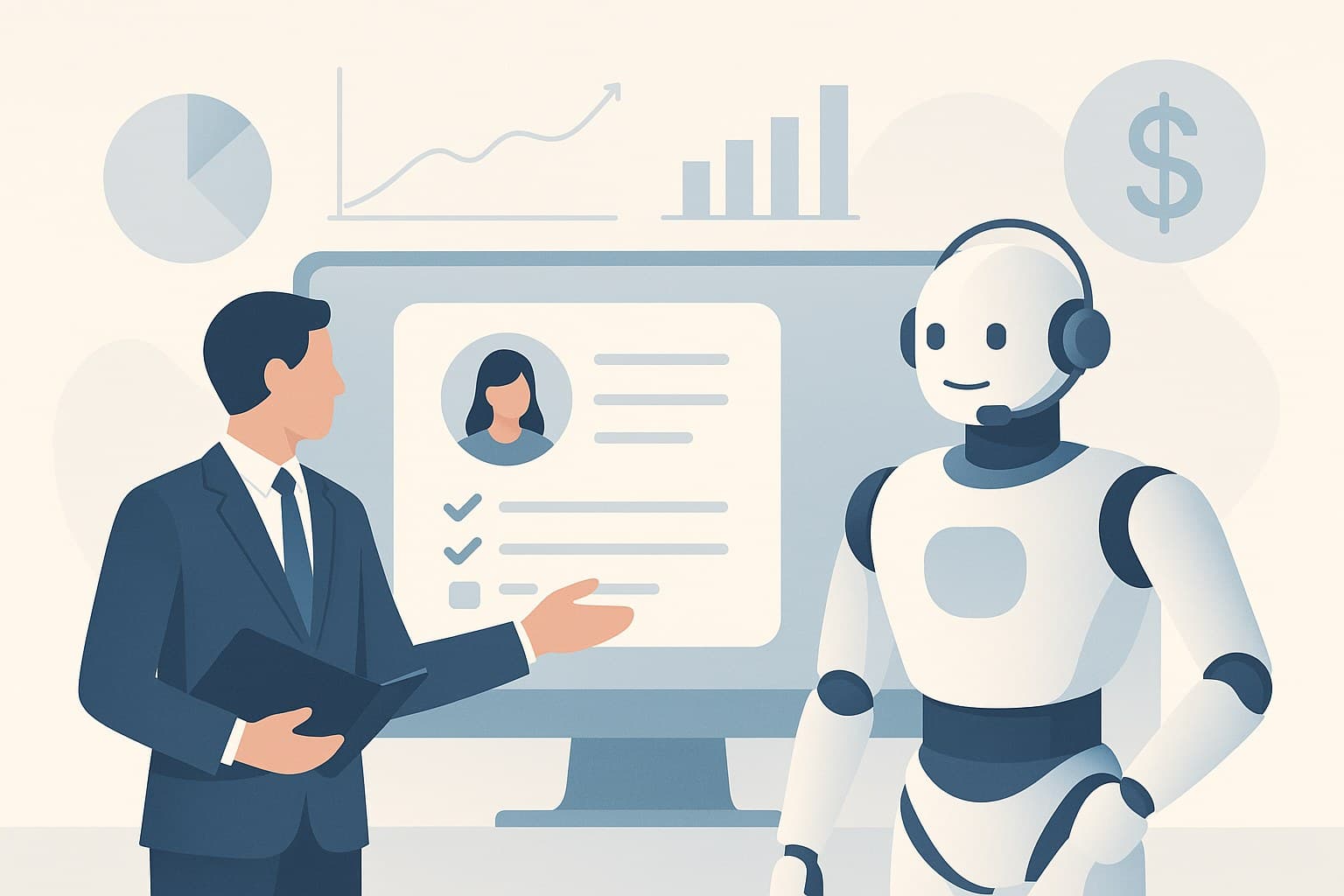
Calibrating Hiring Managers for AI Interviews: A Strategic Guide for Business Leaders and HR Executives
In today's rapidly evolving technological landscape, artificial intelligence (AI) is transforming various facets of business operations, including recruitment and talent acquisition. As organizations increasingly adopt AI-driven tools to enhance their hiring processes, there's an imperative need for hiring managers to be well-calibrated in conducting AI interviews. For business leaders and HR executives, this transformation presents both opportunities and challenges. This article aims to provide a strategic guide for effectively integrating AI into the recruitment process and ensuring that hiring managers are fully equipped to leverage these tools for optimal results.
Understanding AI in Recruitment
AI technologies in recruitment encompass a range of applications, from resume screening and candidate matching to conducting preliminary interviews and assessing soft skills. These tools are designed to enhance efficiency, reduce bias, and improve the quality of hire by providing data-driven insights and automating repetitive tasks. However, the integration of AI into the hiring process is not without its challenges. It requires a recalibration of traditional roles and practices to align with the capabilities and limitations of AI systems.
The Role of Hiring Managers in AI Interviews
Hiring managers play a critical role in the recruitment process. They are responsible for identifying the right talent that aligns with organizational goals and culture. With the introduction of AI interviews, their role evolves from being mere evaluators to becoming strategic partners who interpret and act upon AI-generated insights. This shift necessitates a recalibration of their skills and mindset to effectively collaborate with AI tools.
Key Challenges in Calibrating Hiring Managers
-
Understanding AI Capabilities and Limitations: Hiring managers need a comprehensive understanding of what AI can and cannot do. While AI can efficiently screen large volumes of applications and identify patterns, it may lack the nuanced understanding of human behavior and cultural fit that experienced hiring managers bring.
-
Bias and Fairness: Despite AI's potential to reduce bias, it can inadvertently perpetuate existing biases if not properly managed. Hiring managers must be trained to recognize and mitigate biases in AI outputs to ensure fair and equitable hiring practices.
-
Interpreting AI Insights: AI provides valuable data-driven insights, but hiring managers need the skills to interpret these insights in the context of the organization's unique needs and culture. This requires a blend of analytical skills and intuitive judgment.
-
Communication and Collaboration: Effective communication between AI systems and hiring managers is crucial. Managers must be able to articulate their requirements to AI systems and understand the outputs to make informed decisions.
Strategies for Calibrating Hiring Managers
-
Comprehensive Training Programs: Organizations should invest in training programs that equip hiring managers with the necessary skills to work alongside AI tools. These programs should focus on understanding AI technologies, data analysis, and bias mitigation techniques.
-
Cross-Functional Collaboration: Encourage collaboration between HR, IT, and data science teams to ensure that hiring managers have access to the expertise and support needed to effectively use AI tools. This collaborative approach can lead to more informed decision-making and better alignment of AI capabilities with business objectives.
-
Developing AI Literacy: Foster a culture of continuous learning where hiring managers are encouraged to stay updated on the latest developments in AI technologies and their implications for recruitment. This can be achieved through workshops, seminars, and access to online resources.
-
Ethical Considerations and Bias Mitigation: Implement ethical guidelines and protocols to ensure that AI tools are used responsibly. Hiring managers should be trained to identify potential biases in AI outputs and understand the ethical implications of AI-driven decisions.
-
Feedback Loops and Continuous Improvement: Establish feedback loops to continuously assess the effectiveness of AI tools and the performance of hiring managers in AI interviews. This iterative approach allows for ongoing improvements and adaptations to the recruitment process.
The Future of AI in Recruitment
As AI technologies continue to evolve, their integration into recruitment processes will become increasingly sophisticated. For business leaders and HR executives, the focus should be on creating an agile and adaptive recruitment strategy that leverages AI's strengths while maintaining the human touch that is essential in talent acquisition.
In conclusion, calibrating hiring managers for AI interviews is a strategic imperative for organizations seeking to harness the full potential of AI in recruitment. By investing in training, fostering collaboration, and promoting ethical AI use, organizations can ensure that their hiring managers are well-prepared to navigate the complexities of AI-driven recruitment processes. This not only enhances the efficiency and effectiveness of hiring practices but also positions the organization as a forward-thinking leader in talent acquisition.
Frequently Asked Questions
Key questions often raised by business leaders and HR teams:
What is the role of hiring managers in AI interviews?
Hiring managers transition from evaluators to strategic partners, interpreting AI-generated insights to make informed hiring decisions.
How can organizations train hiring managers for AI recruitment?
Organizations should invest in comprehensive training programs focusing on AI technologies, data analysis, and bias mitigation techniques.
What are the challenges of using AI in recruitment?
Challenges include understanding AI capabilities, managing biases, interpreting AI insights, and ensuring effective communication with AI systems.
Why is ethical consideration important in AI recruitment?
Ethical considerations ensure responsible use of AI tools, helping to identify biases and maintain fairness in hiring practices.
What is the future of AI in recruitment?
The future involves increasingly sophisticated AI integration, requiring agile recruitment strategies that balance AI's strengths with the essential human touch.