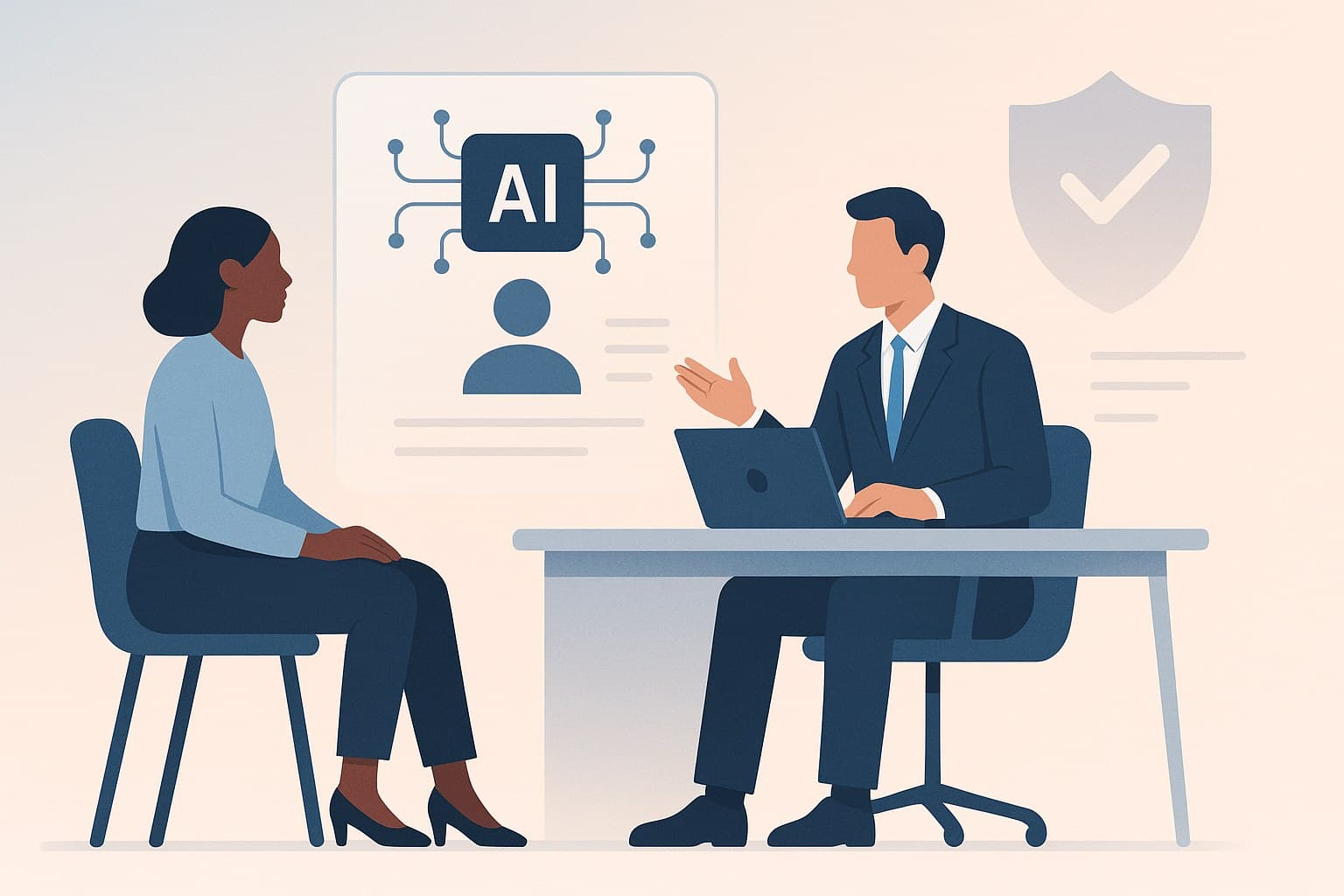
Navigating CCPA Compliance in AI Interview Video Retention: A Guide for Business Decision-Makers and HR Leaders
In the rapidly evolving landscape of artificial intelligence, businesses are increasingly leveraging AI-driven tools to enhance various operational processes. One such application is the use of AI in conducting and analyzing video interviews. While these technologies offer significant benefits, they also bring forth critical considerations regarding data privacy and compliance, particularly with regulations like the California Consumer Privacy Act (CCPA). For business decision-makers and HR leaders, understanding and ensuring compliance with CCPA in the context of AI interview video retention is paramount.
Understanding CCPA and Its Implications
The California Consumer Privacy Act (CCPA) is a comprehensive data privacy law that grants California residents specific rights regarding their personal information. Key provisions include the right to know what personal data is being collected, the right to delete personal data, and the right to opt-out of the sale of personal information.
For organizations utilizing AI for video interviews, CCPA compliance involves several critical responsibilities:
- Data Collection Transparency: Inform candidates about the data being collected during video interviews and the purpose of its collection.
- Data Access and Deletion: Provide candidates with access to their data and comply with requests for data deletion.
- Data Security: Implement robust security measures to protect stored video data from unauthorized access or breaches.
AI Interview Video Retention: Compliance Challenges
The use of AI in video interviews presents unique challenges in data retention and compliance, primarily due to the sensitive nature of video data and the advanced analytics employed. Below are key areas where businesses must focus their compliance efforts:
1. Informed Consent
Before conducting AI interviews, organizations must obtain explicit consent from candidates. This involves clearly explaining how the video data will be used, whether it will be analyzed by AI algorithms, and how long it will be retained. It is crucial to ensure that candidates understand their rights under CCPA, including the right to access and delete their data.
2. Data Minimization and Retention Policies
CCPA encourages data minimization, meaning businesses should only collect and retain data that is necessary for a specific purpose. HR leaders must establish clear data retention policies that define the duration for which video data will be stored. These policies should align with the purpose of data collection and be communicated transparently to candidates.
3. Protecting Sensitive Data
Video interviews capture more than just verbal responses; they can also record facial expressions, gestures, and other non-verbal cues. This data is sensitive and requires heightened protection. Implementing robust encryption and access controls is essential to safeguard this information. Additionally, organizations should conduct regular security audits to identify and mitigate potential vulnerabilities.
Implementing CCPA-Compliant Practices
To effectively comply with CCPA in AI interview video retention, organizations must integrate compliance into their broader data governance framework. Here are strategic steps for business decision-makers and HR leaders:
Conduct a Data Inventory and Gap Analysis
Begin by conducting a comprehensive data inventory to understand what video data is collected, how it is processed, and where it is stored. Identify any gaps in compliance and develop a roadmap to address these issues. This analysis will help in aligning data practices with CCPA requirements.
Develop and Communicate Clear Policies
Establish clear policies for video data collection, processing, retention, and deletion. Ensure these policies are documented and communicated to all relevant stakeholders, including candidates, HR personnel, and IT teams. Regularly review and update these policies to reflect any changes in regulatory requirements or business practices.
Train Staff on Compliance and Data Handling
Training is a critical component of ensuring compliance. Conduct regular training sessions for HR teams, IT staff, and anyone involved in handling video interview data. These sessions should cover CCPA requirements, the importance of data privacy, and best practices for data security.
Leverage Technology for Compliance
Consider using privacy-enhancing technologies that support compliance efforts. For example, data anonymization tools can help minimize the risk associated with storing sensitive video data. Additionally, AI algorithms can be configured to analyze data without retaining personally identifiable information, thereby enhancing compliance.
Monitor and Audit Compliance Efforts
Establish a system for monitoring compliance efforts and conducting regular audits. This includes tracking consent forms, reviewing data access and deletion requests, and ensuring that data retention policies are followed. Regular audits will help identify areas of improvement and reinforce a culture of compliance.
Conclusion
For business decision-makers and HR leaders, navigating CCPA compliance in AI interview video retention is a critical responsibility that requires deliberate action and strategic planning. By understanding the regulatory landscape, implementing robust data governance practices, and fostering a culture of transparency and compliance, organizations can not only mitigate risks but also build trust with candidates and stakeholders. As AI technologies continue to evolve, maintaining a proactive approach to data privacy will be essential in achieving long-term success and sustainability in the digital age.
Frequently Asked Questions
Key questions often raised by business leaders and HR teams:
What is CCPA?
The California Consumer Privacy Act (CCPA) is a data privacy law that provides California residents with rights regarding their personal information.
How can businesses ensure compliance with CCPA in AI interviews?
Businesses should focus on data collection transparency, obtain informed consent, implement data retention policies, and ensure robust data security measures.
What are the main challenges of CCPA compliance in AI video retention?
Challenges include obtaining explicit consent, managing data minimization, and protecting sensitive video data from unauthorized access.
Why is training important for compliance?
Training ensures that staff are aware of CCPA requirements and best practices for handling sensitive data, which is crucial for maintaining compliance.
What technologies can help with CCPA compliance?
Privacy-enhancing technologies, such as data anonymization tools, can minimize risks associated with storing sensitive video data and support compliance efforts.