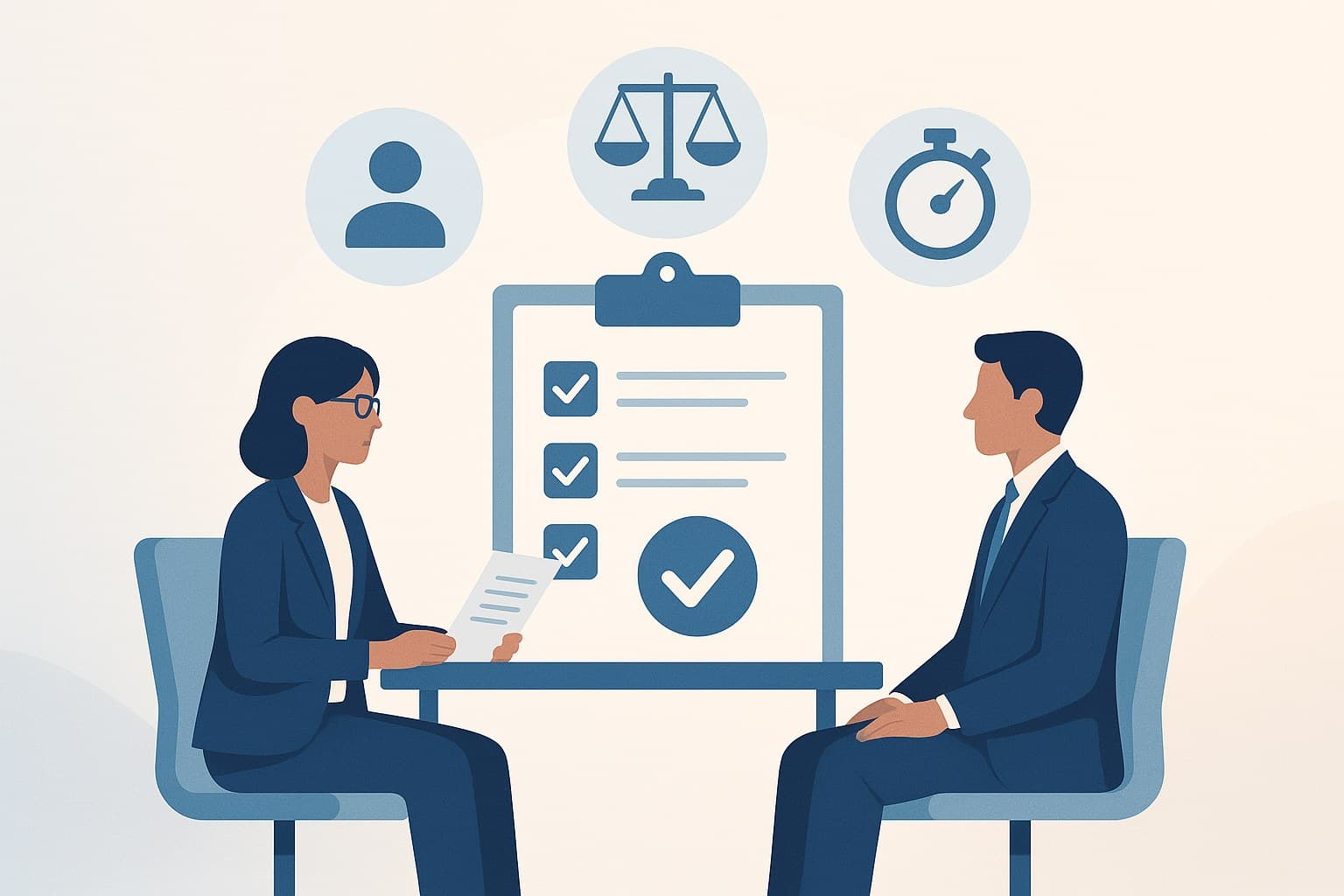
Mastering Company Culture in Interviews: A Guide for Job Seekers
Job seekers today face a competitive market where understanding company culture can be the key to securing the right position. Interviews now often focus as much on cultural fit as they do on skills and experience. Knowing how to navigate questions about company culture can significantly improve your chances of success. This article will provide practical insights into why company culture matters, common pitfalls, and strategies to align your values with those of potential employers.
The Importance of Company Culture in Interviews
Understanding company culture is crucial for both job seekers and employers. For candidates, it helps ensure that the work environment aligns with their personal values and work style, which can lead to greater job satisfaction and long-term success. Employers prioritize cultural fit because it can lead to higher employee engagement, reduced turnover, and improved team dynamics.
Common Pitfalls When Discussing Company Culture
Many candidates fall into common traps when discussing company culture in interviews. One major mistake is providing generic answers that don't reflect a genuine understanding of the specific company's ethos. Saying you value "collaboration" or "innovation" without context can make you appear insincere or unprepared.
Another pitfall is failing to research the company's culture beforehand. This oversight can lead to awkward moments if your answers contradict the company's values or practices. For example, expressing a preference for independent work in a team-oriented environment may raise red flags for interviewers.
Finally, some candidates focus too much on what the company can offer them culturally, rather than how they can contribute to and thrive in that environment. Interviews are a two-way street, and it's important to communicate how your personal values and work style align with the company's culture.
Understanding Core Concepts of Company Culture
Company culture encompasses the shared values, beliefs, and practices that characterize an organization. It influences everything from decision-making processes to employee interactions and can be categorized into several types:
-
Collaborative Culture: Emphasizes teamwork and open communication. Companies with this culture value collective problem-solving and mutual support.
-
Innovative Culture: Focuses on creativity and risk-taking. Organizations with this culture encourage new ideas and experimentation.
-
Competitive Culture: Driven by goals and achievements. Companies in this category often reward high performance and individual accomplishments.
-
Traditional Culture: Values stability and consistency. These organizations may have well-defined hierarchies and established procedures.
Understanding these core concepts allows you to tailor your responses during interviews and align them with the culture type of the potential employer.
Strategies for Demonstrating Cultural Fit
To effectively demonstrate cultural fit, start by thoroughly researching the company. Review their website, social media presence, and any available employee testimonials. Pay attention to recurring themes or values they emphasize.
During the interview, use specific examples from your past experiences that align with the company's culture. For instance, if interviewing at a company with a collaborative culture, discuss a successful team project you led or contributed to.
Prepare thoughtful questions that reflect your interest in the company’s culture. Asking about team dynamics, leadership styles, or professional development opportunities shows that you are considering how well you would integrate into their environment.
Additionally, be authentic. While aligning with the company’s culture is important, it's equally crucial to remain true to your values. Authenticity builds trust and demonstrates confidence, which are both attractive qualities to employers.
Anonymous Scenario: Navigating Cultural Fit Questions
Imagine you are a recent graduate interviewing for a position at a mid-sized tech firm known for its innovative culture. During the interview, the hiring manager asks about your ability to adapt to a fast-paced, constantly changing environment.
Reflecting on your university experience, you recall a time when you led a project that required quick adaptation to new technologies and methodologies. You share this story, emphasizing your proactive approach to learning and your enthusiasm for innovation.
This approach not only highlights your technical skills but also your alignment with the company's value of innovation. By preparing such responses, you convey both your competence and your cultural fit, increasing your chances of making a positive impression.
Conclusion
Understanding and articulating company culture in interviews is more important than ever. By avoiding common pitfalls, researching thoroughly, and preparing authentic responses, you can effectively demonstrate your alignment with a potential employer's culture. As you prepare for your next interview, consider how your unique values and experiences contribute to the cultural fabric of the companies you wish to join. What steps will you take to ensure a successful cultural fit in your next career move?
Frequently Asked Questions
Key questions often raised by business leaders and HR teams:
Why is company culture important in interviews?
Company culture is crucial as it ensures that the work environment aligns with a candidate's values, leading to greater job satisfaction and success.
What are common mistakes candidates make regarding company culture?
Common mistakes include providing generic answers, failing to research the company, and focusing too much on what the company can offer rather than how they can contribute.
How can I demonstrate cultural fit during an interview?
You can demonstrate cultural fit by researching the company, using specific examples from your past experiences, and asking thoughtful questions about the company's culture.
What types of company cultures should I be aware of?
Key types of company cultures include collaborative, innovative, competitive, and traditional, each influencing the work environment differently.
How can authenticity affect my interview performance?
Being authentic builds trust and shows confidence, which are attractive qualities to employers, while also ensuring that you align with the company's culture genuinely.