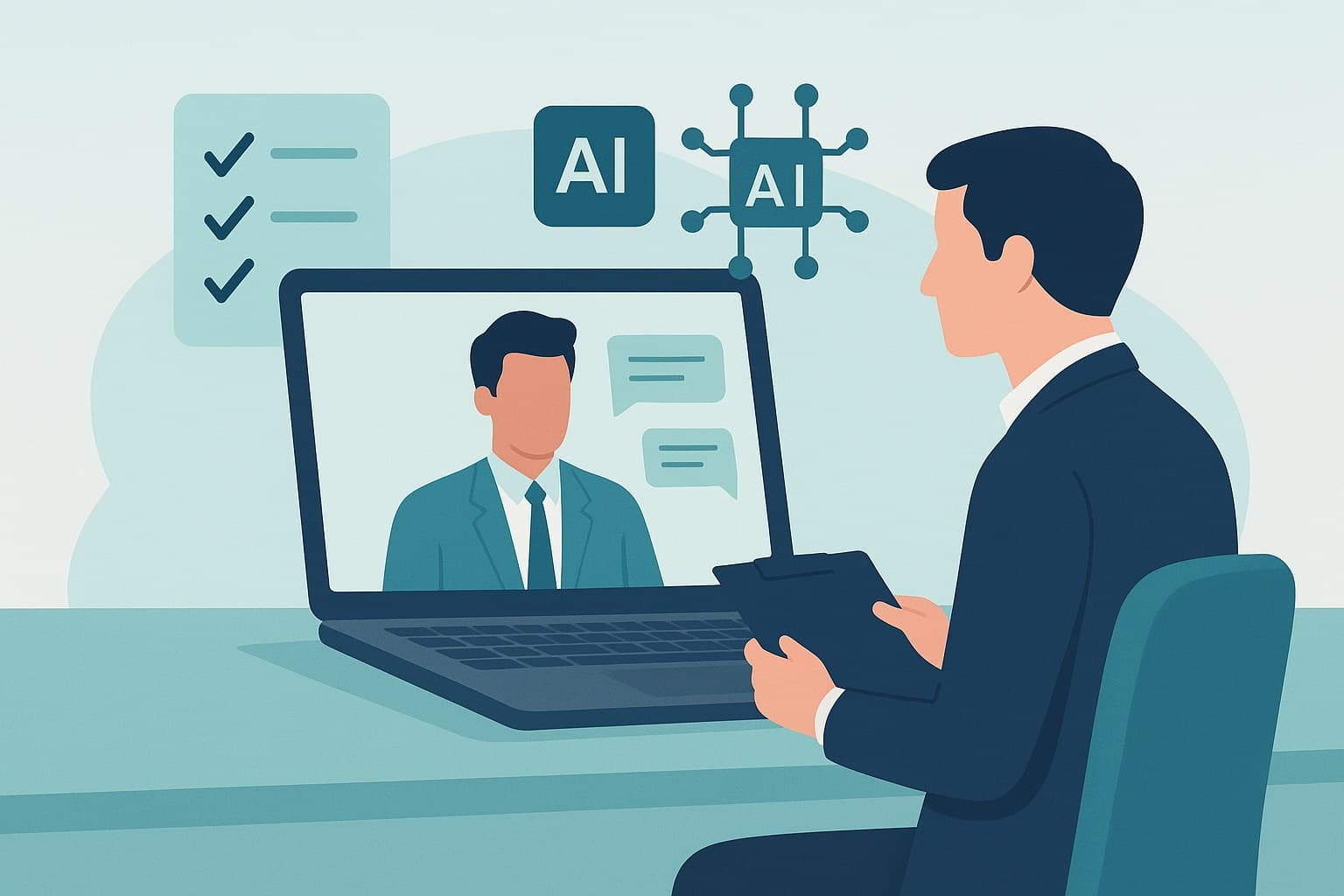
#CPRA AI Hiring Compliance: Ensuring Fair and Ethical AI Video Interviews through Data Minimization in Recruiting
In today's fast-paced world, technology has become an integral part of the hiring process. Companies are increasingly turning to artificial intelligence (AI) to streamline their recruitment process and find the best candidates. However, with the rise of AI in hiring, concerns about privacy and discrimination have also emerged. This is where the California Privacy Rights Act (CPRA) comes into play. In this article, we will delve into the world of CPRA AI hiring compliance, AI video interviews, and data minimization in recruiting.
##The Rise of CPRA and its Impact on AI Hiring Compliance
The CPRA, which will come into effect in 2023, is the updated version of the California Consumer Privacy Act (CCPA). It aims to give consumers more control over their personal data and requires companies to be transparent about how they collect, use, and share this data. The CPRA also introduces new requirements for businesses that use AI technology, specifically in the hiring process.
One of the key aspects of the CPRA is its focus on data minimization. This means that companies should only collect and retain the information that is necessary for their business purposes. With the use of AI in hiring, this is particularly important as it can potentially lead to the collection of sensitive personal data, such as race, gender, and age, which can result in discriminatory outcomes.
To comply with the CPRA, companies must have a legitimate business need for the data they collect and must inform individuals about the specific types of data that will be collected and how it will be used. This means that employers cannot keep an applicant's resume on file for future roles without their explicit consent.
##AI Video Interviews: A Practical Example of CPRA Compliance
AI video interviews have become increasingly popular in the hiring process, especially during the pandemic when in-person interviews were not possible. These interviews use AI algorithms to analyze the candidate's facial expressions, tone of voice, and body language to assess their suitability for the role.
However, this technology has faced criticism for its potential to perpetuate bias and discrimination. For example, if the algorithm is trained on data that is biased, it can result in discriminatory outcomes. This is where compliance with the CPRA becomes crucial.
Companies using AI video interviews must ensure that their algorithms are not biased and that they comply with data minimization requirements. This means that only relevant data should be collected and used in the hiring process, and the algorithms should be regularly audited for any potential bias. Additionally, companies must be transparent about the use of AI technology in their hiring process and give applicants the option to opt-out of video interviews.
##How AI Recruitment Platforms Comply with CPRA
With the increasing use of AI in hiring, companies are turning to AI recruitment platforms to streamline their recruitment process. These platforms use AI algorithms to screen resumes, conduct video interviews, and even make hiring decisions.
To comply with the CPRA, these platforms must ensure that their algorithms do not perpetuate bias and discrimination. This means that they must regularly audit their algorithms and be transparent about their use of AI in the hiring process. Additionally, these platforms must also comply with data minimization requirements, ensuring that only relevant data is collected and used.
##The Role of Humans in AI Hiring Compliance
One of the key principles of the CPRA is that humans must be involved in the decision-making process when it comes to AI technology. This means that AI should not be used as the sole basis for making hiring decisions. Companies must have a human review process in place to ensure that AI algorithms do not result in discriminatory outcomes.
This is particularly important in the hiring process, where the decision can have a significant impact on an individual's life. Human involvement also ensures that there is accountability for the decisions made by AI algorithms.
##Conclusion: Ensuring Fair and Ethical AI Hiring Practices through CPRA Compliance
In conclusion, the CPRA is a crucial piece of legislation that aims to protect consumers' privacy and prevent discrimination in the use of AI technology. Companies must comply with data minimization requirements and ensure that their AI algorithms are not biased. Additionally, human involvement is essential to ensure fair and ethical hiring practices.
To comply with the CPRA, companies can turn to AI recruitment platforms that have built-in compliance measures. These platforms can help streamline the recruitment process while ensuring fair and ethical practices. Ultimately, it is the responsibility of companies to use AI technology in a responsible and compliant manner, and the CPRA serves as a necessary guide in achieving this goal.
If you are a business looking to implement AI technology in your hiring process, it is crucial to ensure CPRA compliance. With the right measures in place, AI can be a valuable tool in finding the best candidates while promoting fairness and equality in the hiring process.
Click here to learn more about our CPRA compliant AI recruitment platform.
Frequently Asked Questions
Key questions often raised by business leaders and HR teams:
What is CPRA?
The California Privacy Rights Act (CPRA) is a law that enhances privacy rights for consumers and sets requirements for companies using personal data.
How does CPRA affect AI hiring?
CPRA requires companies to minimize data collection, ensure transparency, and prevent discrimination in AI hiring processes.
Why is human involvement important in AI hiring?
Human involvement ensures accountability and helps prevent discriminatory outcomes that may arise from biased AI algorithms.
What are AI video interviews?
AI video interviews use algorithms to analyze candidates' expressions and speech, but must comply with data minimization and bias prevention requirements.
How can companies ensure compliance with CPRA?
Companies can implement AI recruitment platforms that adhere to CPRA guidelines, ensuring fair practices and responsible use of AI technology.