Navigating Cross-Border AI Interview Compliance: A Guide for Business Decision-Makers and HR Leaders
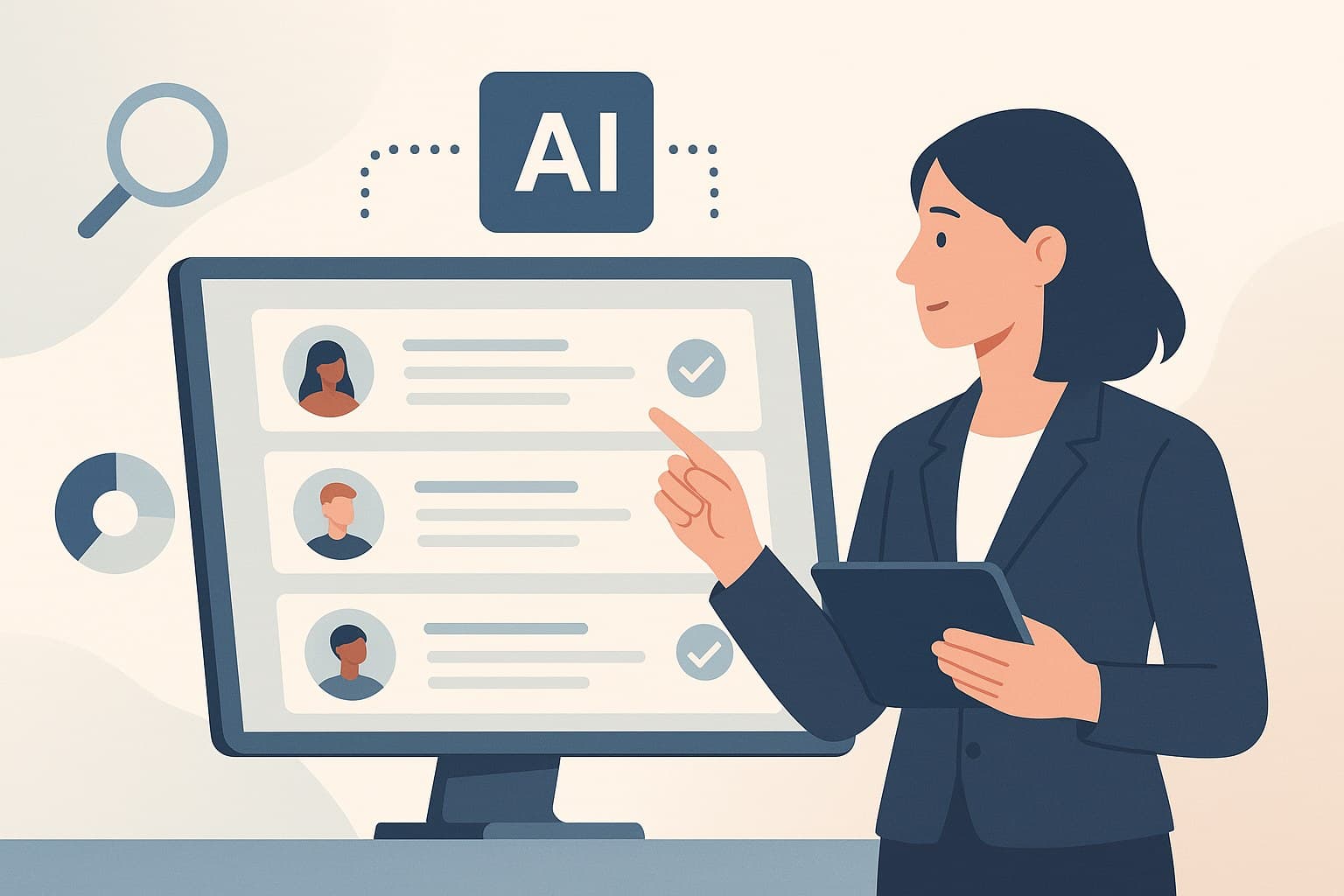
In today's globalized world, artificial intelligence (AI) is transforming how companies recruit talent. AI-driven interviews are becoming increasingly popular due to their efficiency and ability to analyze vast amounts of data objectively. However, for companies operating across borders, leveraging AI in recruitment introduces a complex web of compliance challenges. Business decision-makers and HR leaders must navigate these challenges to ensure ethical practices, legal compliance, and cultural sensitivity.
Understanding Cross-Border AI Interview Compliance
Cross-border AI interview compliance refers to adhering to the legal, ethical, and cultural standards of multiple jurisdictions when using AI-driven tools for recruitment. As organizations expand globally, they encounter various legal systems with differing regulations on data privacy, employment law, and anti-discrimination. These differences can complicate the deployment of AI technologies in recruitment processes.
Legal Considerations
-
Data Privacy and Protection: Countries have different data protection laws, such as the General Data Protection Regulation (GDPR) in the European Union, the California Consumer Privacy Act (CCPA) in the United States, and the Personal Data Protection Act (PDPA) in Singapore. These regulations dictate how personal data should be collected, processed, and stored. Companies must ensure that their AI tools comply with local data privacy laws, which may require obtaining explicit consent from candidates and ensuring data is stored securely.
-
Employment Law: Employment regulations vary widely. For instance, the use of AI in recruitment must comply with anti-discrimination laws, which differ from country to country. In the U.S., the Equal Employment Opportunity Commission (EEOC) provides guidelines to prevent discrimination based on race, gender, age, or disability. Companies must ensure their AI systems do not inadvertently perpetuate biases and that they adhere to employment laws in each jurisdiction.
-
Intellectual Property and Licensing: When using third-party AI tools, organizations must consider intellectual property rights and licensing agreements. This includes understanding the terms of use and ensuring compliance with any restrictions on software deployment across different regions.
Ethical Considerations
-
Bias and Fairness: AI systems can inadvertently reflect or amplify human biases present in training data. It is crucial for HR leaders to regularly audit AI systems for any signs of bias and to implement strategies to mitigate these biases. Ensuring that AI-driven decisions are transparent and explainable helps build trust among candidates and stakeholders.
-
Candidate Experience: The use of AI in interviews can impact the candidate experience. Transparency about the use of AI, its purpose, and how it will be used in the decision-making process is vital. Providing feedback to candidates and offering alternative methods of assessment for those uncomfortable with AI tools can enhance the candidate experience.
Cultural Considerations
-
Cultural Sensitivity: AI systems must be designed to respect cultural differences. This includes understanding local customs, languages, and communication styles. HR leaders should ensure that AI tools are adaptable to various cultural contexts and do not inadvertently disadvantage candidates from specific backgrounds.
-
Local Adaptation: In addition to cultural sensitivity, AI systems should be adaptable to local market conditions and expectations. Customizing AI tools to align with local recruitment practices can improve their effectiveness and acceptance.
Implementing Cross-Border AI Interview Compliance
-
Cross-Functional Teams: Forming cross-functional teams that include legal, HR, IT, and compliance experts can help address the multifaceted challenges of cross-border AI compliance. These teams can collaborate to develop policies and procedures that align with global standards while respecting local nuances.
-
Regular Audits and Training: Regularly auditing AI systems for compliance and bias is essential. Providing training for HR professionals and hiring managers on the ethical use of AI tools can further ensure that recruitment practices align with company values and legal requirements.
-
Partnership with Technology Providers: Collaborating with AI technology providers that are committed to ethical practices and compliance can help organizations stay ahead of regulatory changes. These providers can offer insights into best practices and assist in customizing AI tools to meet specific compliance needs.
Conclusion
Navigating cross-border AI interview compliance is a complex but essential task for business decision-makers and HR leaders. By understanding the legal, ethical, and cultural considerations involved, organizations can leverage AI tools effectively while upholding compliance and promoting fair recruitment practices. Building robust frameworks for compliance, fostering cross-functional collaboration, and committing to continuous learning and adaptation will empower companies to harness the full potential of AI in recruitment across borders.
Frequently Asked Questions
Key questions often raised by business leaders and HR teams:
What is cross-border AI interview compliance?
Cross-border AI interview compliance involves adhering to legal, ethical, and cultural standards across multiple jurisdictions when using AI tools for recruitment.
How can companies ensure compliance with data privacy laws?
Companies must understand local data protection laws and ensure their AI tools collect and process personal data securely, often requiring explicit consent from candidates.
What are the ethical considerations in using AI for recruitment?
Ethical considerations include addressing bias in AI systems, ensuring transparency in AI-driven decisions, and maintaining a positive candidate experience.
Why is cultural sensitivity important in AI recruitment?
Cultural sensitivity ensures that AI systems respect local customs and communication styles, preventing potential disadvantages for candidates from diverse backgrounds.
How can organizations implement effective AI compliance strategies?
Organizations can form cross-functional teams, conduct regular audits, and partner with ethical technology providers to develop robust compliance frameworks.