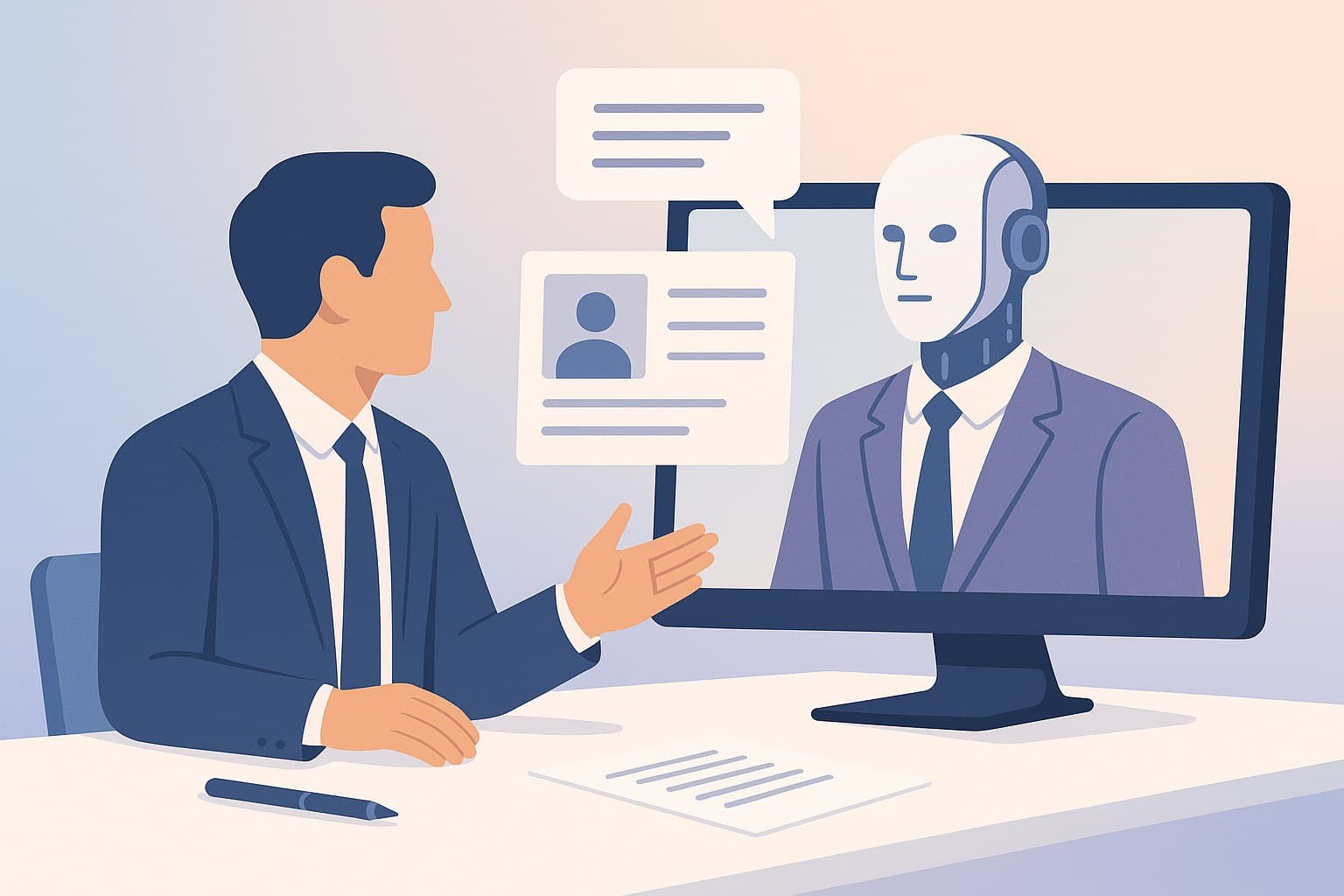
Navigating Cross-Border Interview Data Flows: A Guide for Business Decision-Makers and HR Leaders
In today's hyper-connected world, businesses are increasingly expanding their operations across borders. With this expansion comes the need for effective cross-border recruitment strategies. One critical aspect of this is the management of cross-border interview data flows. As organizations strive to attract and retain global talent, understanding the complexities and nuances of handling interview data across different jurisdictions is paramount.
Understanding Cross-Border Interview Data Flows
Cross-border interview data flows refer to the transfer of personal data related to job applicants and interviewees across different countries. This data can include resumes, interview recordings, assessment results, and other personal information. The challenge lies in managing these data flows while ensuring compliance with various international data protection laws and regulations.
The Importance of Data Protection and Privacy
Data protection and privacy are not merely legal obligations but are also critical components of maintaining trust with potential employees. With the implementation of stringent regulations like the General Data Protection Regulation (GDPR) in Europe and other data protection laws worldwide, businesses must ensure that the personal data they handle is managed responsibly.
For HR leaders, this means implementing robust data protection policies and procedures. It is essential to understand the legal requirements for data transfer in each jurisdiction where the organization operates. Additionally, companies need to be transparent with candidates about how their data is used and stored during the recruitment process.
Key Considerations for Managing Cross-Border Data Flows
-
Compliance with International Regulations: Organizations must be aware of and comply with international data protection laws. The GDPR, for instance, has extraterritorial reach, meaning it applies to companies that process the personal data of EU citizens, regardless of where the company is located. Similarly, other countries have their own regulations that may impose additional requirements.
-
Data Transfer Mechanisms: To legally transfer data across borders, companies must use appropriate data transfer mechanisms. These can include standard contractual clauses (SCCs), binding corporate rules (BCRs), or relying on adequacy decisions from regulatory bodies. Each mechanism has its own requirements and implications, so it's crucial to choose the right one based on the organization's specific needs.
-
Data Security Measures: Ensuring the security of personal data is a fundamental requirement. Organizations need to implement technical and organizational measures to protect data from unauthorized access, loss, or breach. This can include encryption, access controls, and regular security audits.
-
Transparency and Candidate Rights: Candidates have the right to know how their data is being used. Organizations should provide clear and concise privacy notices explaining the purposes of data collection, processing activities, and the rights of candidates. Additionally, candidates should have the ability to access, correct, or delete their data if they wish.
-
Cross-Cultural Sensitivity: When handling interview data across borders, it's important to be culturally sensitive. Different countries have varying norms and expectations regarding privacy and data sharing. Understanding these cultural differences can help in designing processes that respect local customs while maintaining compliance.
Strategic Implementation for HR Leaders
For HR leaders, managing cross-border interview data flows is not just a compliance issue but also a strategic opportunity. By effectively managing data flows, HR can enhance the candidate experience, improve decision-making, and strengthen the organization's global talent acquisition strategy.
-
Develop a Global Data Protection Strategy: HR leaders should work with legal and IT departments to develop a comprehensive data protection strategy that aligns with global standards. This includes regular training for HR staff on data protection principles and updates on legal developments.
-
Leverage Technology: Utilizing technology can streamline the management of cross-border data flows. Applicant tracking systems (ATS) and other HR tech solutions can automate data handling processes, ensuring consistency and compliance across different markets.
-
Foster a Culture of Privacy: Promoting a culture that values privacy and data protection is essential. HR leaders should encourage transparency and accountability within their teams, ensuring that all employees understand the importance of safeguarding personal data.
-
Conduct Regular Audits and Assessments: Regular audits and risk assessments can help identify potential vulnerabilities in data handling processes. By proactively addressing these issues, organizations can minimize the risk of data breaches and non-compliance.
Conclusion
Managing cross-border interview data flows is a complex but essential task for modern businesses. For decision-makers and HR leaders, it involves balancing compliance with various international regulations, implementing robust data security measures, and fostering a privacy-conscious culture. By taking a strategic approach, organizations can not only protect themselves from legal risks but also enhance their ability to attract and retain top talent in the global market. As the world continues to become more interconnected, the importance of effectively managing cross-border data flows will only grow, making it a critical consideration for any forward-thinking business leader.
Frequently Asked Questions
Key questions often raised by business leaders and HR teams:
What are cross-border interview data flows?
Cross-border interview data flows refer to the transfer of personal data related to job applicants across different countries, including resumes and interview recordings.
Why is data protection important in recruitment?
Data protection is crucial for maintaining trust with potential employees and ensuring compliance with regulations like GDPR, which governs the handling of personal data.
What mechanisms can be used for data transfer?
Companies can use standard contractual clauses (SCCs), binding corporate rules (BCRs), or rely on adequacy decisions from regulatory bodies to legally transfer data across borders.
How can HR leaders enhance candidate experience?
By effectively managing cross-border data flows and implementing robust data protection strategies, HR leaders can improve decision-making and strengthen their global talent acquisition strategy.
What role does technology play in managing data flows?
Utilizing technology like applicant tracking systems (ATS) can streamline the management of cross-border data flows, ensuring consistency and compliance across different markets.