
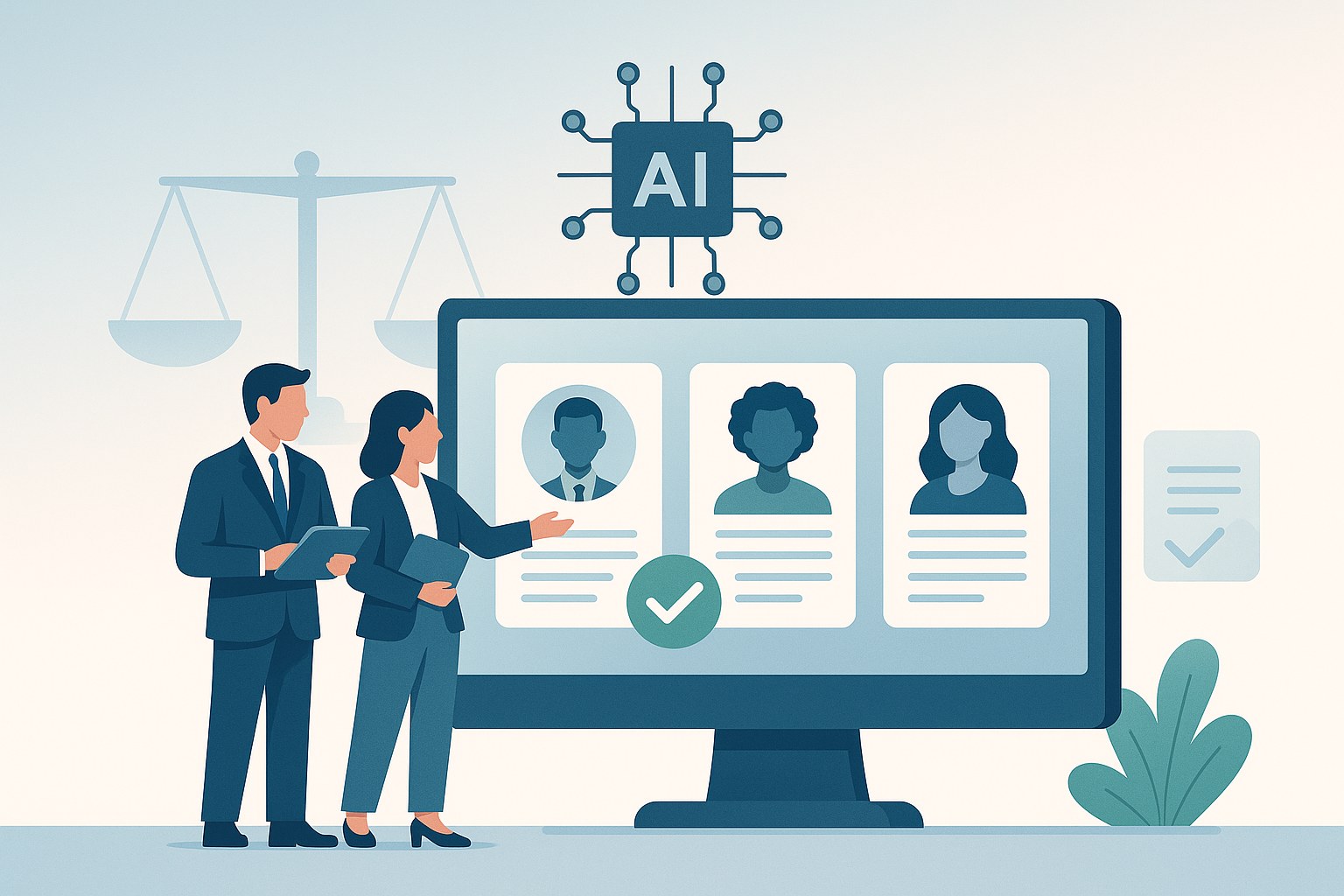
Interview Data Security Checklist Cross-Border: Ensuring Compliance and Protection in Global Hiring
In today's global economy, cross-border hiring has become a common practice for many companies. With the rise of remote work and a diverse pool of talent, organizations are often faced with the challenge of conducting interviews with candidates from different countries and time zones. While this presents a great opportunity for businesses, it also brings about unique challenges in terms of data security and privacy.
As companies collect and process personal data from candidates during the hiring process, it is crucial to ensure that proper measures are in place to protect this sensitive information. Failure to do so can result in severe consequences, including hefty fines and reputational damage. In this article, we will discuss the importance of a cross-border interview data security checklist and how it can help organizations maintain compliance and protect their data.
The Growing Need for Cross-Border Interview Data Security
According to a study by PwC, 83% of organizations have some form of cross-border data processing in their recruitment process. This includes collecting and processing personal data from candidates located in different countries. With the General Data Protection Regulation (GDPR) in effect, organizations are required to ensure the security and privacy of personal data, regardless of where it is collected or processed.
Moreover, with the rise of AI recruitment platforms, the amount of data collected and processed during the hiring process has increased significantly. This includes personal information such as resumes, cover letters, and even video interviews. With this influx of data, organizations must have robust security measures in place to protect it from potential threats.
The Interview Data Security Checklist: Ensuring Compliance and Protection
To help organizations maintain compliance and protect their data, a cross-border interview data security checklist is essential. This checklist outlines the necessary steps and measures that organizations must take to ensure the security and privacy of personal data collected during the hiring process. Let's take a closer look at each step of this checklist.
Step 1: Perform a Data Protection Impact Assessment (DPIA)
A DPIA is a tool that helps organizations identify and minimize the data protection risks associated with their processing activities. It is a crucial step in ensuring compliance with data protection laws, especially for cross-border data processing. A DPIA should be conducted before any cross-border data processing takes place and should be reviewed periodically to account for any changes in the data processing activities.
Step 2: Choose a Secure Communication Channel
When conducting interviews with candidates from different countries, it is crucial to use a secure communication channel to protect the data exchanged. This can include encrypted email services or secure video conferencing tools. It is also essential to have a secure backup of the data in case of any technical issues during the interview.
Step 3: Review and Update Vendor Contracts
If an organization is using a third-party vendor to conduct interviews or manage candidate data, it is essential to review and update the vendor contract to ensure compliance with data protection laws. The contract should clearly outline the vendor's responsibilities and obligations regarding the protection of data.
Step 4: Ensure Data Transfer Mechanisms are in Place
When transferring personal data outside the European Economic Area (EEA), organizations must ensure that appropriate data transfer mechanisms are in place. This can include using standard contractual clauses or binding corporate rules. These mechanisms provide an adequate level of protection for personal data transferred to countries outside the EEA.
Step 5: Implement Adequate Security Measures
Organizations must implement adequate security measures to protect the personal data collected during interviews. This can include restricting access to data, using encryption for data transfers, and regularly backing up data to prevent loss or corruption.
Step 6: Educate Employees on Data Protection
Lastly, it is crucial to educate employees on data protection and the importance of following the organization's policies and procedures. This includes proper handling and protection of personal data during the interview process. Employees should also be trained on how to identify and report any potential data breaches.
How MIND Interview Can Help
As mentioned earlier, the rise of AI recruitment platforms has increased the amount of data collected during the hiring process. MIND Interview, an enterprise-grade AI recruitment platform, offers a solution to streamline the hiring process while maintaining compliance and protecting data.
MIND Interview's AI resume analysis feature parses skills, matches job descriptions, and flags any potential risks, allowing for a more efficient and accurate screening process. Their asynchronous AI video interviews also provide a secure platform for cross-border interviews, with scoring on expression, tone, logic, and structure. Additionally, MIND Interview's visualized candidate reports and one-click translation feature make it easier for global hiring teams to compare and evaluate candidates.
By using MIND Interview, organizations can significantly reduce the time and cost associated with manual first-round resume screening. It also provides a secure and efficient platform for conducting cross-border interviews and ensures compliance with data protection laws.
Conclusion: Prioritizing Interview Data Security in a Globalized World
In today's globalized world, cross-border hiring has become a norm for many organizations. As personal data is collected and processed during the interview process, it is crucial to have measures in place to protect this sensitive information. A cross-border interview data security checklist, along with the use of a secure platform like MIND Interview, can help organizations maintain compliance and protect their data. By prioritizing interview data security, organizations can build trust with candidates and avoid potential data breaches and legal consequences.
CTA: Want to streamline your hiring process while maintaining compliance and protecting data? Check out MIND Interview today! MIND Interview
Frequently Asked Questions
Key questions often raised by business leaders and HR teams:
What is a Data Protection Impact Assessment (DPIA)?
A DPIA is a tool used to identify and minimize data protection risks associated with processing activities, ensuring compliance with data protection laws.
Why is secure communication important during interviews?
Using secure communication channels protects the sensitive data exchanged during interviews from potential breaches and unauthorized access.
How can organizations ensure compliance with data transfer laws?
Organizations can ensure compliance by implementing appropriate data transfer mechanisms, such as standard contractual clauses or binding corporate rules.
What role does employee education play in data protection?
Educating employees on data protection policies is crucial for ensuring proper handling of personal data and recognizing potential data breaches.
How can MIND Interview assist in the hiring process?
MIND Interview streamlines hiring with AI features, ensuring compliance while providing a secure platform for conducting cross-border interviews.