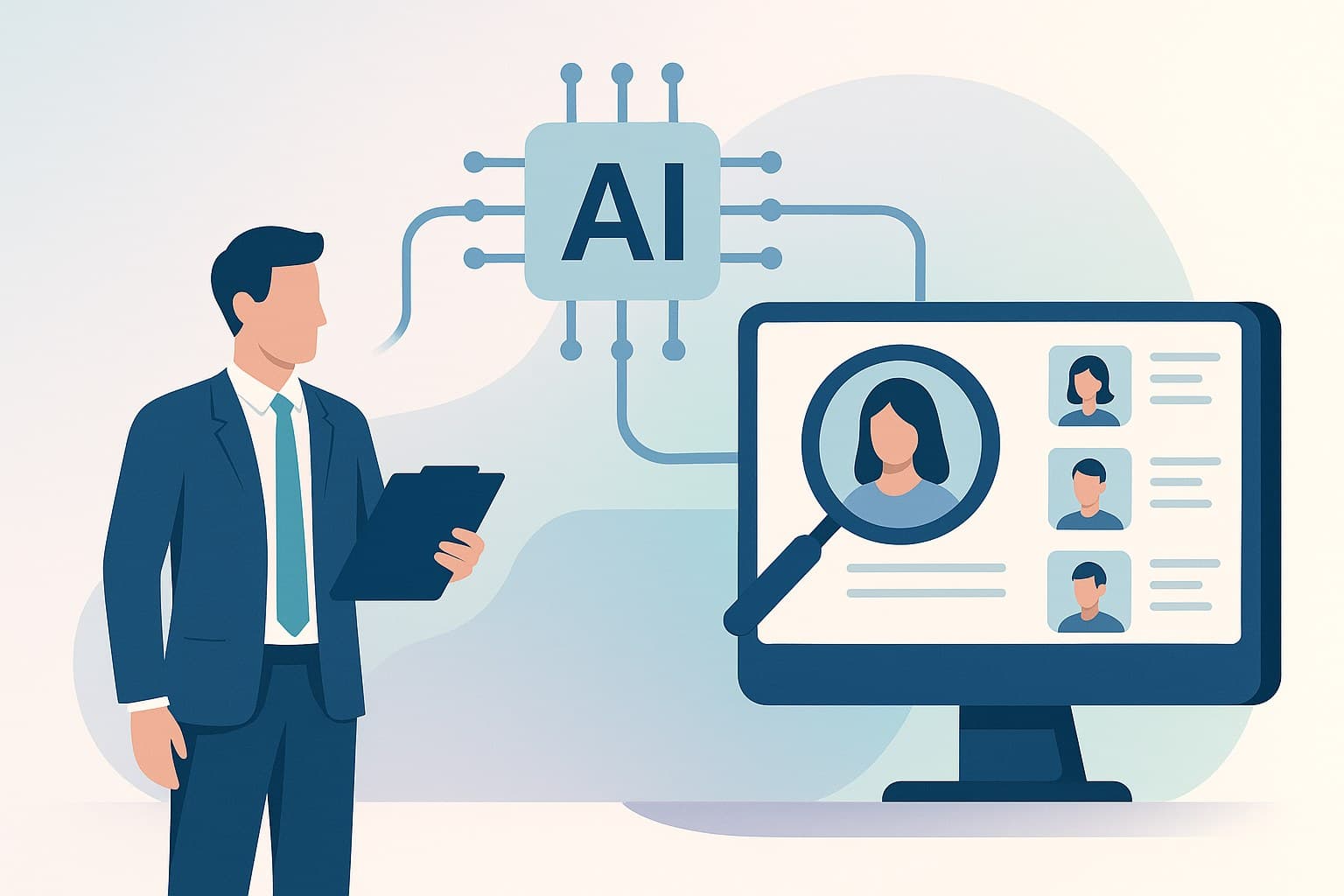
Data Portability and AI Interview Vendor Exit: Protecting Your Valuable Data
In today's digital age, data is the lifeblood of businesses. From customer information to operational data, companies rely on data to make informed decisions and stay competitive. Therefore, data portability has become increasingly important, especially with the rise of AI technology and the use of third-party AI vendors.
Data portability refers to the ability to transfer data from one system to another without losing its meaning or format. It ensures that businesses can easily switch between vendors or systems and have full control over their data. However, when it comes to AI interview vendors, the concept of data portability becomes even more crucial.
In this article, we will explore the implications of data portability in the context of AI interview vendors and the potential risks businesses face when these vendors exit the market.
The Rise of AI in the Hiring Process
AI technology has revolutionized the hiring process, making it more efficient and accurate. Companies are increasingly relying on third-party AI offerings to support core processes, streamline operations, automate customer support, and perform data analysis. And the recruitment process is no exception.
AI-powered recruitment platforms such as MIND Interview have gained popularity in recent years. These platforms use AI resume analysis and structured asynchronous AI video interviews to shorten the hiring process while improving the quality of hires. With features like 24/7 interviews, visualized candidate reports, and one-click report translation, these platforms make it easier for companies to screen and select candidates.
The Importance of Data in AI Recruitment
Data is the backbone of AI technology. For AI-powered recruitment platforms, data is used to analyze resumes, evaluate candidate responses, and provide insights into a candidate's potential fit for a position. As such, the data used by these platforms is highly valuable and must be protected.
However, when companies use third-party AI vendors, they often overlook the importance of data portability. This can create risks and challenges when the vendor exits the market, leaving companies with questions about their data and how it will be handled.
The Offboarding Clause: A Forgotten Factor
When companies sign on with a new AI vendor, they often focus on the onboarding process and the benefits of the technology. However, the offboarding process is just as crucial, and the offboarding clause is often overlooked.
The offboarding clause outlines the procedures for data extraction and transfer when a vendor decides to exit the market. Without a clear offboarding clause, companies risk losing access to their data or having it held hostage by the vendor. This can cause significant disruptions to their operations and lead to legal disputes.
What Happens to Your Data When a Vendor Exits the Market?
When a vendor exits the market, companies may face several challenges related to their data. These include:
Loss of Data Access
Without a clear offboarding clause, companies may lose access to their data when a vendor exits the market. This can be devastating, especially if the data is critical to their operations.
Data Ownership Disputes
In some cases, vendors may claim ownership of the data they have collected from their clients. This can lead to legal disputes and delays in retrieving the data.
Data Misuse or Unauthorized Sharing
When a vendor exits the market, there is a risk that they may misuse or share the data with unauthorized parties. This can have severe consequences, especially if the data contains sensitive information.
How to Protect Your Data in the Event of a Vendor Exit?
To protect their valuable data, companies must consider data portability when choosing an AI interview vendor. Here are some essential factors to keep in mind:
Verify Data Accessibility
Before committing to a new service, it is crucial to verify how easily you can extract your raw data. This will ensure that you have full control over your data and can transfer it to a new vendor if needed.
Check for an Offboarding Clause
Make sure to read the contract carefully and look for an offboarding clause. This clause should clearly outline the procedures for data extraction and transfer in the event of a vendor exit.
Ensure Data Portability
Data portability is not just about access to data; it is also about its usability. Make sure that the data provided by the vendor is in a format that is compatible with other systems or vendors. This will ensure that you can easily switch vendors without any data loss or formatting issues.
Understand the Data Ownership Rights
Clarify the data ownership rights with the vendor before signing the contract. This will prevent any disputes in the future and ensure that you have full control over your data.
The Solution: MIND Interview
When it comes to AI-powered recruitment platforms, MIND Interview stands out as an enterprise-grade solution. This platform offers AI resume analysis and structured asynchronous AI video interviews, all under the AI Verify governance. This ensures that the technology is validated, bias-tested, and auditable.
MIND Interview's features, such as 24/7 interviews, visualized candidate reports, and one-click report translation, make it the ideal solution for companies looking for data portability. With its enterprise-grade security and integration with existing ATS/HRIS, MIND Interview provides a seamless and secure data portability experience.
Conclusion
In conclusion, data portability is crucial when it comes to AI interview vendors. Companies must consider this factor before committing to a new service to avoid any risks or disruptions in their operations. With MIND Interview's enterprise-grade AI recruitment platform, businesses can ensure data portability and protect their valuable data, even in the event of a vendor exit.
Don't risk losing control of your data. Choose MIND Interview and experience the benefits of an AI recruitment platform with seamless data portability. Visit our website at https://www.mind-interview.com/en/ to learn more.
Frequently Asked Questions
Key questions often raised by business leaders and HR teams:
What is data portability?
Data portability is the ability to transfer data from one system to another without losing its meaning or format, allowing businesses to maintain control over their data.
Why is an offboarding clause important?
An offboarding clause outlines the procedures for data extraction and transfer when a vendor exits the market, preventing loss of access to critical data.
How can I ensure data portability with my AI vendor?
Verify data accessibility, check for an offboarding clause, ensure data usability, and clarify data ownership rights before signing a contract.
What risks do companies face if a vendor exits the market?
Companies may face loss of data access, ownership disputes, and potential misuse of sensitive data if proper precautions are not taken.