EEOC AI Interview Evidence: Exploring the Intersection of Technology and Hiring Practices
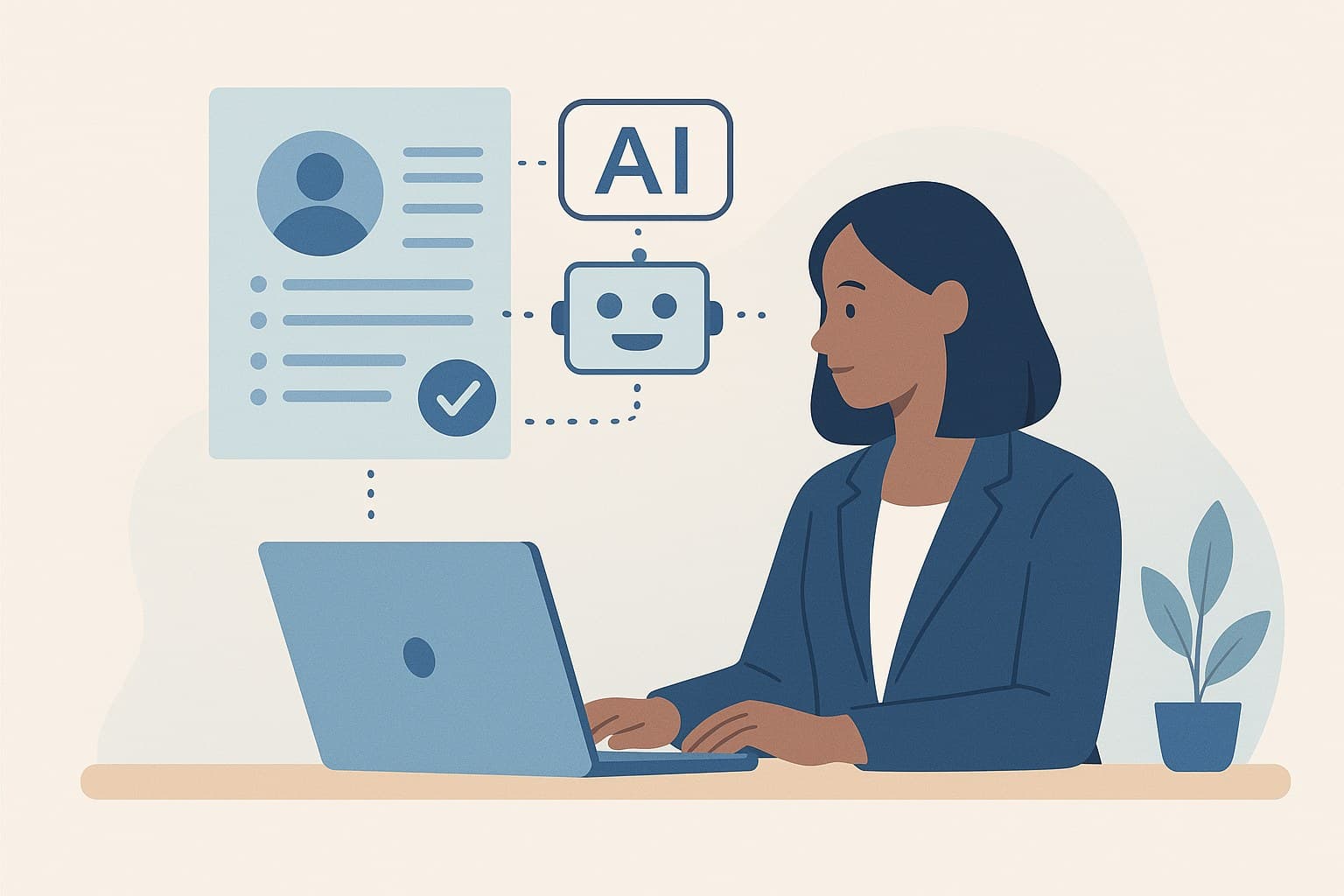
Artificial Intelligence (AI) has become an increasingly prominent tool in the hiring process, with many companies turning to AI-powered software to help streamline and improve their recruitment efforts. However, as with any technology, there are potential risks and concerns surrounding its use. In recent years, the Equal Employment Opportunity Commission (EEOC) has taken a closer look at the impact of AI on hiring practices and has outlined guidelines for employers to ensure that their use of AI in the hiring process does not lead to discrimination or other legal issues. In this article, we will delve deeper into the EEOC's stance on AI in interviews and explore the potential implications for employers.
What is EEOC AI Interview Evidence?
The EEOC has outlined four specific instances where the use of AI during the hiring process, and one example during an employment relationship, could trigger Title VII of the Civil Rights Act of 1964. These instances include:
- The use of AI to screen resumes and select candidates for interviews
- The use of AI during interviews to assess and score candidates
- The use of AI to analyze video interviews
- The use of AI to analyze audio recordings of interviews
- The use of AI to make employment decisions, such as promotions or terminations
The EEOC has stated that these practices could lead to discrimination based on race, gender, age, or other protected characteristics if the AI algorithms are not properly monitored and tested for bias. As such, employers must be aware of the potential risks and take steps to mitigate them.
The Role of the EEOC
The EEOC is responsible for enforcing federal laws that prohibit employment discrimination. This includes discrimination based on race, color, sex, religion, national origin, age, disability, or genetic information. The EEOC also enforces laws that protect against retaliation for reporting discrimination or participating in discrimination investigations.
In recent years, the EEOC has been paying particular attention to the use of AI in hiring practices and has issued guidance on how employers can ensure that their use of AI does not lead to discriminatory practices. This guidance is not legally binding, but it provides valuable insight into the EEOC's perspective on the use of AI in interviews.
Potential Risks of AI in Interviews
The use of AI in interviews can lead to several potential risks, including:
- Bias in algorithms: AI algorithms are only as unbiased as the data they are trained on. If the data used to train the algorithm is biased, the results will also be biased. This can lead to discriminatory hiring practices.
- Lack of transparency: AI algorithms can be complex and difficult to understand, making it challenging to identify and address any biases that may exist.
- Lack of accountability: When using AI in interviews, it can be challenging to determine who is responsible for any discriminatory decisions made by the algorithm.
- Limited diversity in the workforce: If AI algorithms are not designed to consider a diverse range of candidates, they may inadvertently exclude qualified candidates from underrepresented groups.
Recommendations for Employers
So, what can employers do to ensure that their use of AI in interviews is in line with EEOC guidelines and does not lead to discrimination? Here are some recommendations:
- Test for bias: Employers should regularly test their AI algorithms to ensure they are not introducing any biases into the hiring process. This can involve conducting audits or working with third-party experts to assess the algorithm's fairness.
- Monitor and review: Employers should actively monitor the results of their AI algorithms and review any decisions made by the algorithm to ensure they are not discriminatory.
- Train hiring managers: Hiring managers should receive training on how to properly use AI in interviews and how to recognize and address any potential biases.
- Provide transparency: Employers should be transparent about their use of AI in the hiring process and provide candidates with information on how the AI is used and how it affects their application.
- Diversify training data: Employers should make an effort to diversify the data used to train their AI algorithms to ensure they are considering a diverse range of candidates.
- Have a human in the loop: While AI can be a valuable tool, it should not be the sole decision-maker in the hiring process. Employers should ensure that there is a human element involved in the final decision.
Introducing MIND Interview: A Solution for Fair and Effective Hiring Practices
One tool that can help employers comply with EEOC guidelines and mitigate the risks of using AI in interviews is MIND Interview. This enterprise-grade AI recruitment platform offers AI resume analysis and structured asynchronous AI video interviews that can significantly cut hiring time and raise match quality.
MIND Interview's AI resume analysis parses skills, matches job descriptions, flags risks, and ranks a shortlist, making the resume screening process more efficient and unbiased. The platform also offers 24/7 asynchronous AI video interviews with scoring on expression, tone, logic, and structure, providing a more standardized and consistent interview process.
What sets MIND Interview apart is its focus on fairness and compliance. The platform is AI Verify validated, bias-tested, and auditable, giving employers peace of mind that their hiring practices are in line with EEOC guidelines. Additionally, MIND Interview offers one-click report translation between languages, making it a global-ready solution for multilingual hiring teams.
With MIND Interview, employers can significantly reduce their screening time, improve the quality of their hires, and ensure fair and compliant hiring practices.
Conclusion
The EEOC's stance on AI in interviews highlights the importance of being mindful of potential biases and discrimination in the hiring process. Employers must take steps to mitigate these risks and ensure that their use of AI is in line with EEOC guidelines. By following the recommendations outlined in this article and utilizing tools like MIND Interview, employers can streamline their hiring process while maintaining fairness and compliance.
Frequently Asked Questions
Key questions often raised by business leaders and HR teams:
What is the EEOC's role in AI hiring practices?
The EEOC enforces federal laws against employment discrimination and provides guidance on the use of AI to prevent biased hiring practices.
How can employers mitigate bias in AI hiring?
Employers can test AI algorithms for bias, monitor results, train hiring managers, and ensure diverse training data.
What is MIND Interview?
MIND Interview is an AI recruitment platform that offers unbiased resume analysis and structured video interviews, helping employers comply with EEOC guidelines.