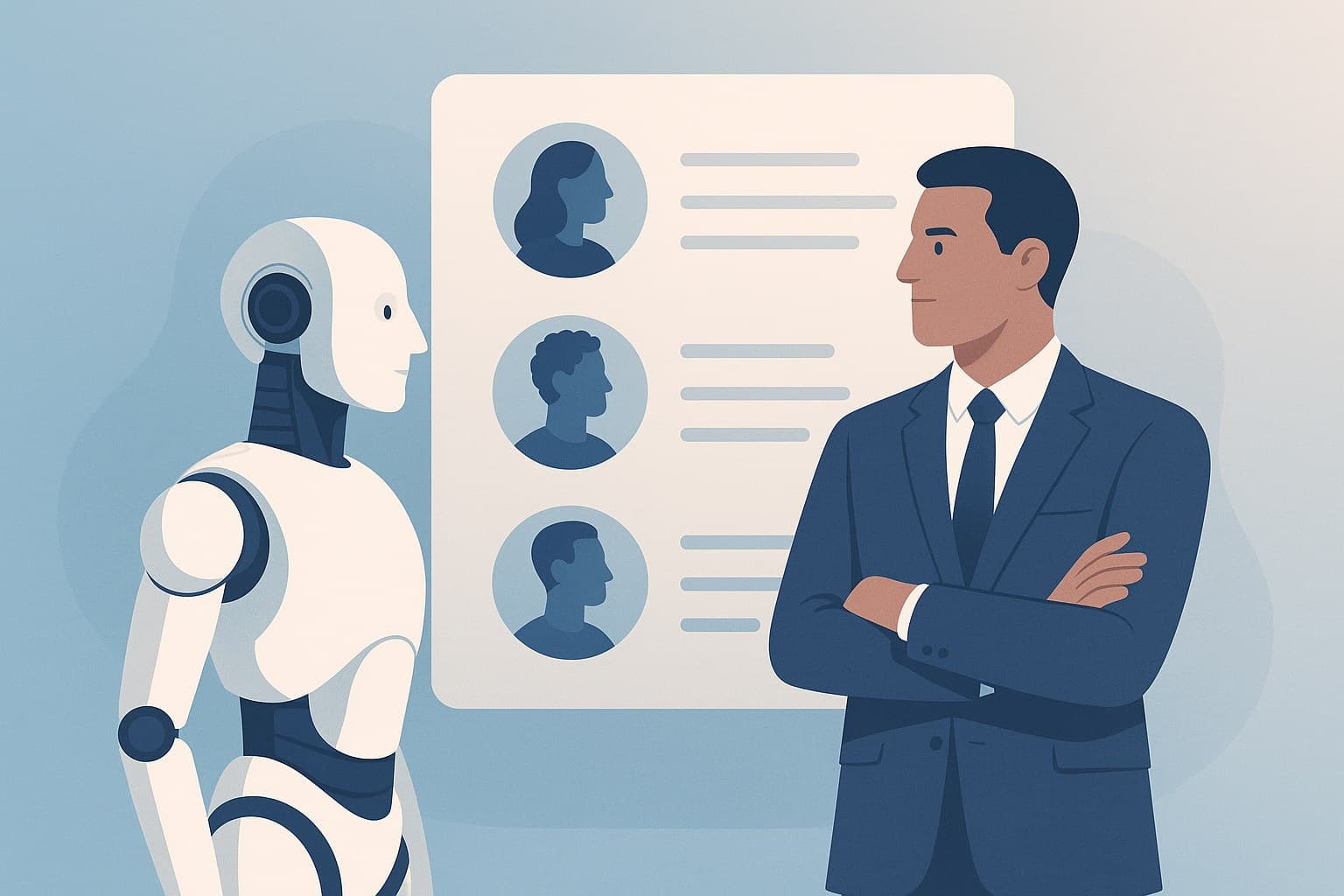
The Importance of Empathy Score in Retail Hiring: How it Can Transform Your Business
In today's fast-paced retail industry, businesses are constantly looking for ways to attract and retain top talent. From competitive salaries to attractive benefits packages, companies are willing to go the extra mile to secure the best employees. However, in the midst of all these efforts, one crucial aspect of hiring is often overlooked – empathy.
Empathy, the ability to understand and share the feelings of others, has been proven to be a key factor in creating a positive work environment and driving employee satisfaction. In fact, a 2024 "Mind the Workplace" report by Mental Health America found that empathy in the workplace can have a significant impact on employee well-being and overall business success. This is where the concept of "empathy score retail hiring" comes into play.
What is Empathy Score Retail Hiring?
Empathy score retail hiring is a hiring process that places a strong emphasis on a candidate's level of empathy. This involves evaluating their ability to understand and connect with others, their emotional intelligence, and their capacity for compassion. It goes beyond just technical skills and qualifications and focuses on the person's overall ability to contribute to a positive and supportive work culture.
To measure empathy score, companies may use various methods such as psychometric tests, behavioral interviews, and workplace simulations. These assessments provide insight into a candidate's emotional intelligence, their ability to handle conflict and difficult situations, and their overall level of empathy.
Why is Empathy Important in Hiring?
The retail industry is highly customer-oriented, and employees are often the face of the brand. This means that the level of empathy displayed by employees can greatly impact the overall customer experience and, ultimately, the success of the business.
Empathy also plays a crucial role in employee engagement and retention. When employees feel understood and supported, they are more likely to be satisfied with their job and remain loyal to the company. This can result in lower turnover rates and higher productivity.
Moreover, empathy is essential for creating a positive work culture. When employees feel valued and supported, they are more likely to collaborate and communicate effectively, leading to better team dynamics and a more cohesive work environment.
The Empathy Gap in Retail Hiring
This empathy gap can have severe consequences for businesses. A lack of empathy in leaders can lead to high turnover rates, low employee engagement, and a negative work culture. It can also result in poor customer service, which can harm a company's reputation and bottom line.
How to Improve Empathy Score in Retail Hiring
So how can retail businesses bridge the empathy gap and improve their empathy score in hiring? Here are some key strategies to consider:
1. Train Hiring Managers on Empathy
Hiring managers play a crucial role in the hiring process, and their level of empathy can greatly impact the type of candidates they select. By educating and training hiring managers on the importance of empathy in hiring, companies can ensure that they prioritize this trait when evaluating candidates.
2. Incorporate Empathy Assessments in the Hiring Process
As mentioned earlier, there are various methods for assessing empathy in candidates. By incorporating these assessments into the hiring process, companies can ensure that they are selecting individuals who possess high levels of empathy.
3. Encourage a Culture of Empathy
Empathy should not only be a factor in the hiring process but should also be encouraged and fostered in the workplace. This can be achieved by providing training and resources for employees to develop their empathy skills and creating a culture that values empathy and understanding.
4. Lead by Example
In order for empathy to be ingrained in a company's culture, it must start at the top. Business leaders must lead by example and demonstrate empathy in their actions and decisions. This will set the tone for the entire organization and encourage employees to do the same.
Conclusion
In the competitive world of retail, empathy score retail hiring may be the key to attracting and retaining top talent, creating a positive work culture, and driving business success. By prioritizing empathy in the hiring process and fostering a culture of empathy in the workplace, companies can reap the benefits of a more engaged, satisfied, and productive workforce.
As the retail industry continues to evolve, empathy will become an increasingly important factor in hiring. By incorporating empathy into their hiring practices, businesses can stay ahead of the curve and elevate their overall performance. So, let's mind the empathy gap and see the positive impact it can have on our businesses.
Frequently Asked Questions
Key questions often raised by business leaders and HR teams:
What is empathy score in retail hiring?
Empathy score in retail hiring refers to the evaluation of a candidate's ability to understand and connect with others, focusing on emotional intelligence and compassion.
Why is empathy important in the retail industry?
Empathy is crucial in retail as it enhances customer experience, drives employee engagement, and fosters a positive work culture, ultimately leading to business success.
How can companies improve their empathy score in hiring?
Companies can improve their empathy score by training hiring managers, incorporating empathy assessments, encouraging a culture of empathy, and leading by example.