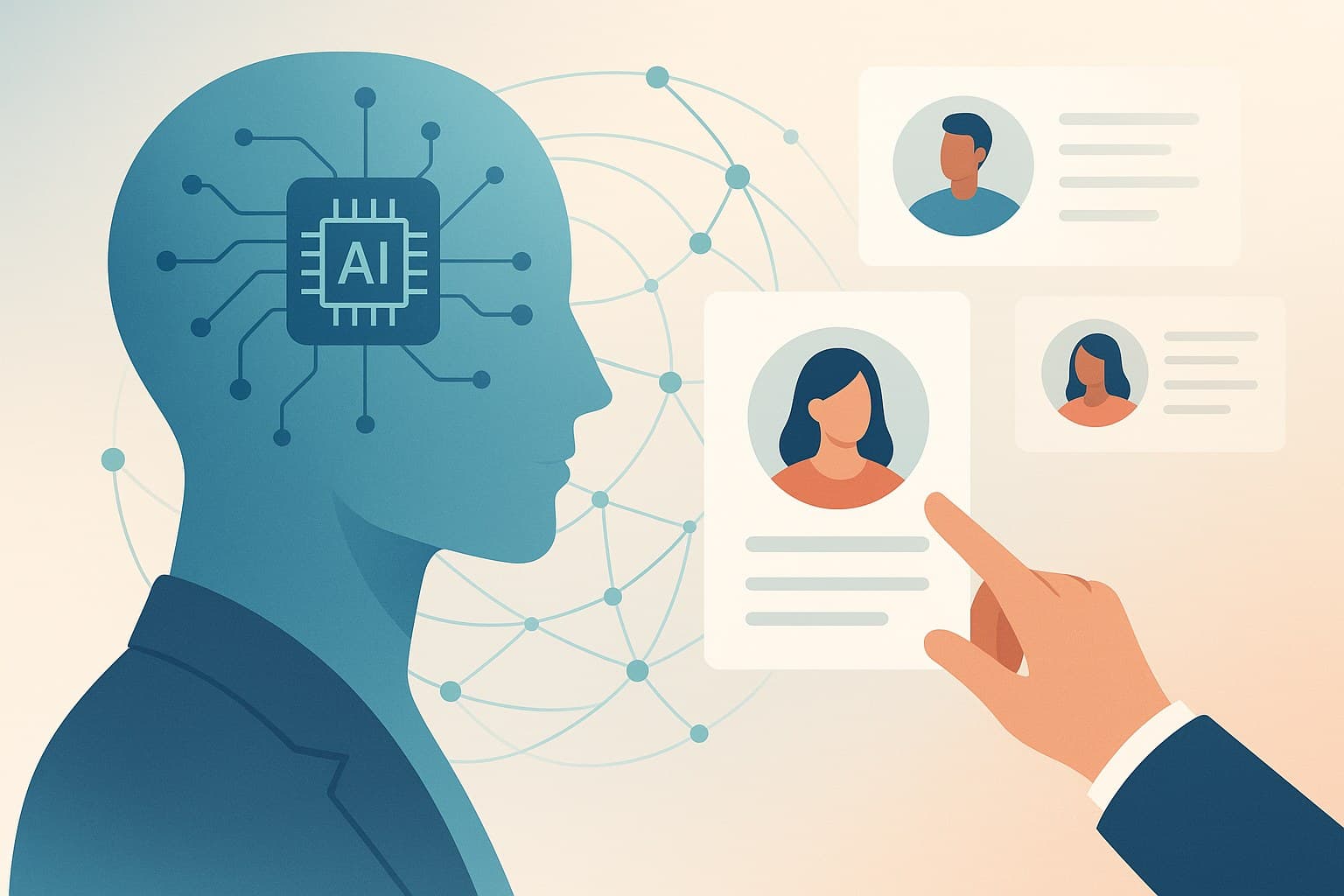
Enterprise AI Hiring: How Artificial Intelligence is Revolutionizing Recruitment
In today's fast-paced business world, companies are constantly seeking ways to streamline their processes and improve efficiency. One area that has seen a significant transformation in recent years is the hiring process. Traditional methods of recruitment, such as posting job listings and reviewing resumes, can be time-consuming and often result in a high volume of unqualified candidates. This is where enterprise AI hiring comes in – a revolutionary approach to recruitment that utilizes artificial intelligence to find the best talent for your organization.
What is Enterprise AI Hiring?
Enterprise AI hiring is the use of artificial intelligence and machine learning algorithms to automate and optimize the recruitment process. This technology enables companies to identify and attract top talent, while also reducing the time and resources required for hiring. By leveraging AI, companies can make data-driven decisions and improve the overall quality of their workforce.
According to a report by Indeed, there has been a 50% increase in the number of job postings for enterprise AI positions in the past year alone. This indicates the growing demand for professionals with expertise in this field. Companies across various industries, from finance to healthcare, are utilizing enterprise AI hiring to improve their recruitment processes.
How Companies are Utilizing Enterprise AI Hiring
One of the main benefits of enterprise AI hiring is its ability to sift through a large pool of candidates and identify the most qualified ones. AI algorithms can analyze resumes, job descriptions, and other data points to match candidates with job requirements. This reduces the time and effort spent on manual resume screening, allowing recruiters to focus on other important tasks.
Additionally, AI-powered recruitment platforms can also use data from social media and professional networking sites to identify passive candidates – those who are not actively looking for a job but may be a good fit for a company. This expands the pool of potential candidates and can lead to more diverse and qualified hires.
Another area where enterprise AI hiring is making a significant impact is diversity and inclusion. By removing human bias from the recruitment process, AI algorithms can ensure that candidates are evaluated based on their skills and qualifications rather than their gender, race, or other demographic factors. This promotes a fair and inclusive hiring process, leading to a more diverse and dynamic workforce.
The Role of AI in Enhancing Candidate Experience
In addition to improving the efficiency of the recruitment process, enterprise AI hiring also plays a crucial role in enhancing candidate experience. AI-powered chatbots can interact with candidates, answer their questions, and provide updates on their application status. This not only saves time for recruiters but also provides a more personalized and seamless experience for candidates.
Moreover, AI can also assist in scheduling interviews and assessments, eliminating the back-and-forth communication between candidates and recruiters. This is especially beneficial for high-volume hiring, where scheduling can become a time-consuming task.
Case Studies: Success Stories of Enterprise AI Hiring
Several companies have already adopted enterprise AI hiring and have seen significant improvements in their recruitment processes. For example, Hilton Worldwide, a leading hospitality company, reported a 50% reduction in the time-to-hire by utilizing AI-powered recruitment platforms. This has not only saved time and resources but also improved the quality of their hires.
Another success story is that of Unilever, a consumer goods company, which used AI to screen resumes and identify the most qualified candidates. This resulted in a 75% reduction in the time spent on reviewing resumes and a 25% increase in the quality of their hires.
The Future of Enterprise AI Hiring
The use of AI in recruitment is still in its early stages, but its potential is immense. As technology continues to advance, we can expect to see more sophisticated AI algorithms that can accurately predict a candidate's job performance based on their skills and experience. This will not only improve the quality of hires but also reduce employee turnover rates.
Moreover, as AI continues to learn and adapt, it will be able to identify patterns and trends in recruitment data, providing valuable insights for companies to improve their hiring strategies.
Conclusion: Embracing Enterprise AI Hiring
In today's competitive job market, companies need to stay ahead of the curve to attract and retain top talent. Enterprise AI hiring provides a solution to the challenges faced by traditional recruitment methods and offers a more efficient, unbiased, and personalized approach to hiring. By embracing this technology, companies can not only improve their recruitment processes but also build a stronger and more diverse workforce for the future.
Frequently Asked Questions
Key questions often raised by business leaders and HR teams:
What is enterprise AI hiring?
Enterprise AI hiring refers to the use of artificial intelligence and machine learning to automate and optimize the recruitment process, helping companies find the best talent.
How does AI improve the recruitment process?
AI improves recruitment by analyzing resumes and job descriptions to match candidates, reducing time spent on manual screening and allowing for data-driven hiring decisions.
Can AI help with diversity in hiring?
Yes, AI can help reduce human bias in recruitment, ensuring candidates are evaluated based on their skills and qualifications, promoting a fair and inclusive hiring process.
What are some success stories of AI in recruitment?
Companies like Hilton and Unilever have reported significant reductions in time-to-hire and improvements in hire quality by using AI in their recruitment processes.
What is the future of enterprise AI hiring?
The future involves more sophisticated AI that can predict job performance and identify recruitment trends, leading to better hiring strategies and reduced employee turnover.