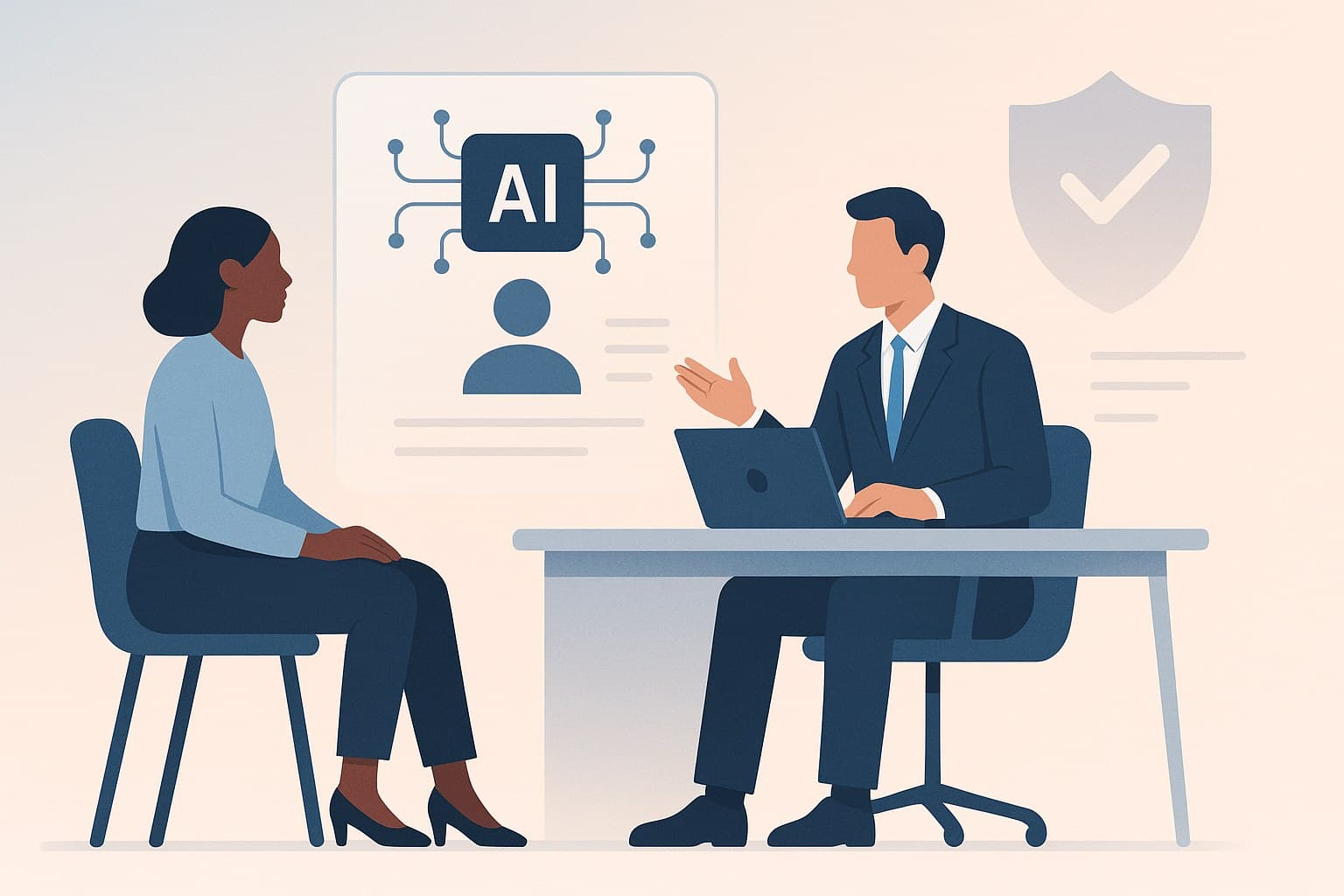
Understanding Explainable AI Interviews: A Guide for Businesses
In the rapidly evolving world of artificial intelligence (AI), the concept of explainability is gaining significant traction. Explainable AI (XAI) refers to systems and models that provide human-understandable insights into their decision-making processes. This aspect of AI is crucial, especially in interviews where AI tools assess candidates, as it directly impacts transparency, trust, and fairness. This article explores the complexities of explainable AI interviews, providing data-driven insights and actionable takeaways for businesses.
The Rise of AI in Recruitment
The Emergence of AI Interview Tools
AI has revolutionized various facets of business, with recruitment being one of the most significantly impacted areas. AI interview tools are utilized to screen candidates, conduct initial interviews, and even predict their potential success within a company. According to a 2022 report by LinkedIn, over 67% of hiring managers and recruiters reported using some form of AI in their hiring process.
These tools offer several advantages, such as efficiency, scalability, and the ability to process vast amounts of data objectively. However, they also present unique challenges, particularly concerning explainability.
Why Explainability Matters in AI Interviews
Explainability in AI is not just a technical requirement but a business imperative. It allows stakeholders to understand and trust AI-driven decisions. In the context of interviews, explainability ensures that candidates are evaluated fairly and without bias. This is particularly important given the increasing legal scrutiny and ethical considerations surrounding AI use in recruitment.
A lack of transparency can lead to mistrust and allegations of bias, potentially damaging a company's reputation and legal standing. In fact, a 2023 survey by Deloitte found that 60% of candidates expressed concerns about AI-driven interviews due to a perceived lack of transparency.
Core Components of Explainable AI
Model Transparency
At the heart of explainable AI is model transparency. This involves making the inner workings of AI models understandable to humans. For businesses, this means selecting or developing AI tools that allow recruiters to see how decisions are made, why certain candidates are shortlisted, and others are not.
Interpretability and User Understanding
Interpretability refers to the degree to which a human can understand the cause of a decision. In the context of AI interviews, this means providing explanations that are comprehensible to non-experts. For instance, instead of merely stating that a candidate scored poorly on an assessment, the tool should clarify which specific answers or behaviors led to this conclusion.
Justification and Fairness
Explainable AI should also ensure justification and fairness in decision-making. This involves providing legitimate and non-discriminatory reasons for decisions, which is crucial in avoiding biases related to gender, race, or other protected characteristics. A study by the AI Now Institute in 2022 emphasized that biased AI systems can perpetuate existing societal inequalities if they lack proper transparency and oversight.
Implementing Explainable AI in Interviews
Choosing the Right Tools
When selecting AI interview tools, businesses should prioritize those offering high levels of explainability. Tools that incorporate visualizations and detailed reporting can help recruiters understand and trust AI-driven decisions. According to a 2023 Gartner report, 75% of businesses cited explainability as a key factor in their AI tool selection process.
Training and Collaboration
Effective implementation of explainable AI requires collaboration between technical teams and HR departments. Training HR professionals to understand AI outputs and integrate them into their decision-making processes is crucial. Additionally, involving legal teams can help ensure that AI interview processes comply with regulations such as the General Data Protection Regulation (GDPR) and the Equal Employment Opportunity Commission (EEOC) guidelines.
Monitoring and Continuous Improvement
Finally, businesses should establish mechanisms for ongoing monitoring and improvement of AI interview systems. This involves regularly reviewing AI outputs for fairness and accuracy, as well as updating models based on feedback and new data. A study by MIT Sloan in 2023 found that companies that actively monitored their AI systems reported a 20% increase in hiring efficiency and a 15% reduction in biased outcomes.
The Future of Explainable AI Interviews
Emerging Technologies and Trends
The future of explainable AI in interviews is promising, with advancements in natural language processing (NLP) and machine learning (ML) algorithms enhancing the interpretability of AI systems. For example, new NLP models can provide more nuanced insights into candidate responses, offering deeper explanations of AI assessments.
Moreover, the integration of AI with other technologies, such as blockchain, can further enhance transparency by providing immutable records of AI decision-making processes.
Regulatory and Ethical Considerations
As AI continues to evolve, regulatory bodies worldwide are likely to implement more stringent guidelines to ensure fairness and transparency. Businesses must stay abreast of these developments to ensure compliance and maintain trust with candidates and stakeholders. The European Union's proposed AI Act, for instance, outlines specific requirements for high-risk AI systems, including those used in recruitment.
Building a Trustworthy AI Ecosystem
Ultimately, the success of explainable AI interviews depends on building a trustworthy AI ecosystem. This involves not only selecting the right tools but also fostering a culture of transparency and accountability. Businesses that prioritize explainability in their AI strategies are more likely to attract top talent, improve diversity, and enhance their overall reputation.
Actionable Takeaways for Businesses
-
Prioritize Transparency: Select AI interview tools that offer clear insights into decision-making processes. Ensure that these tools can provide detailed explanations accessible to non-technical users.
-
Foster Collaboration: Encourage collaboration between technical and HR teams to enhance the interpretability and usability of AI outputs. Provide training to HR professionals on how to effectively use AI tools.
-
Ensure Compliance: Stay informed about regulatory developments and ensure that AI interview processes comply with relevant guidelines and laws. Engage legal teams to oversee compliance efforts.
-
Monitor and Improve: Establish mechanisms for regular monitoring of AI systems to identify and rectify biases. Use feedback and new data to continuously improve AI models.
-
Build Trust: Communicate openly with candidates about the use of AI in interviews and provide them with understandable explanations of AI-driven decisions. Foster a culture of transparency and accountability within the organization.
In conclusion, explainable AI interviews present a powerful opportunity for businesses to enhance their recruitment processes. By prioritizing transparency, collaboration, compliance, and continuous improvement, companies can harness the benefits of AI while ensuring fairness and trustworthiness. As AI technology continues to advance, embracing explainability will be key to building a sustainable and ethical recruitment strategy.
Frequently Asked Questions
Key questions often raised by business leaders and HR teams:
What is explainable AI?
Explainable AI (XAI) refers to AI systems that provide human-understandable insights into their decision-making processes.
Why is explainability important in AI interviews?
Explainability ensures that candidates are evaluated fairly, fosters trust, and helps avoid biases in the hiring process.
How can businesses implement explainable AI in their hiring processes?
Businesses can choose AI tools that prioritize explainability, train HR professionals, and monitor AI outputs for fairness and accuracy.
What are the benefits of using AI in recruitment?
AI enhances efficiency, scalability, and objectivity in the recruitment process, allowing for better candidate screening and selection.
What future trends should businesses watch regarding explainable AI?
Emerging technologies like NLP and stricter regulatory guidelines will shape the future of explainable AI in recruitment.