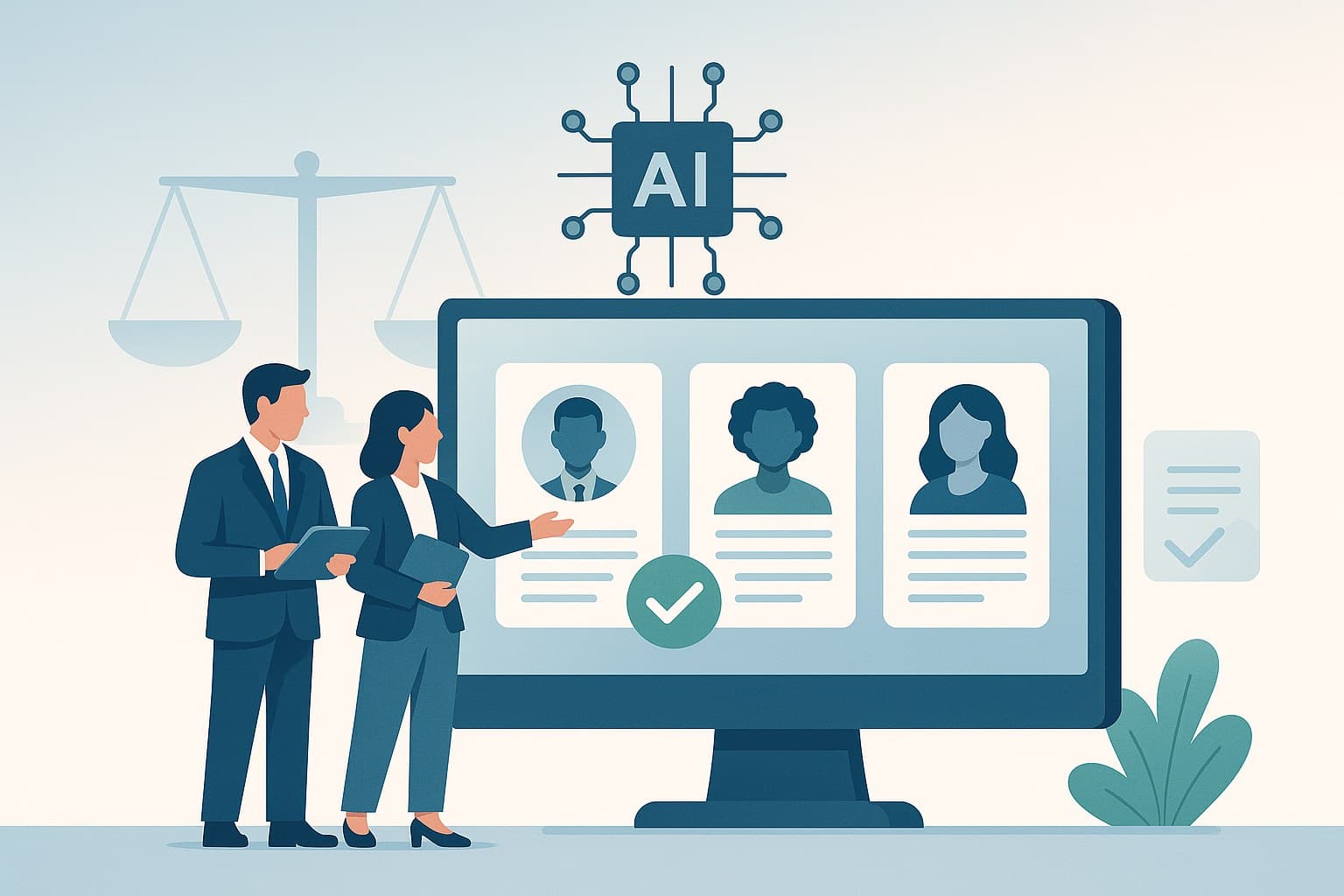
Fair and Auditable AI Hiring: Ensuring Equitable and Compliant Recruitment
Artificial Intelligence (AI) has revolutionized many industries, including the recruitment sector. With the ability to analyze large amounts of data and make unbiased decisions, AI has been touted as the future of hiring. However, concerns have been raised about the potential for AI to perpetuate existing biases and discrimination in the hiring process. To address these concerns, the concept of fair and auditable AI hiring has emerged, aiming to ensure equitable and compliant recruitment practices. In this article, we will explore the importance of fair and auditable AI hiring and how it can be achieved.
The Need for Fair and Auditable AI Hiring
The use of AI in hiring has been growing rapidly in recent years. According to a survey conducted by Gartner, 23% of organizations were already using AI in their recruitment process in 2018, and this number is expected to increase to 39% by the end of 2022. The appeal of AI in hiring is evident, with its ability to save time and resources while making data-driven decisions. However, these benefits come with potential risks, primarily the perpetuation of biases and discrimination.
AI algorithms are only as unbiased as the data they are trained on. If the data used to train the algorithm is biased, the algorithm will make biased decisions. For example, if a company's historical hiring data shows a preference for male candidates, the AI algorithm will learn this preference and continue to replicate it. This can lead to gender, race, or age-based discrimination in the hiring process, perpetuating existing biases and creating a lack of diversity in the workplace.
Furthermore, the use of AI in hiring also raises concerns about compliance with anti-discrimination laws. In the United States, the Equal Employment Opportunity Commission (EEOC) enforces laws that prohibit discrimination based on race, color, religion, sex, national origin, age, disability, or genetic information. If an AI algorithm is found to be discriminatory, it can lead to legal consequences for the company using it.
To address these concerns, fair and auditable AI hiring has emerged as a crucial concept in the recruitment industry.
AI Audits in Hiring: Ensuring Fair and Compliant Recruitment
The key to achieving fair and auditable AI hiring is through regular and thorough audits. An AI audit is a systematic review of an AI system's design, implementation, and outputs to ensure that it is fair, transparent, and compliant with relevant laws and regulations. It involves examining the data and algorithms used in the AI system to identify any biases or discrimination and taking corrective action to address them.
One of the primary benefits of AI audits is that they provide transparency in the hiring process. They allow companies to identify and understand the factors that influence the AI algorithm's decisions, giving them the opportunity to correct any biases or discriminatory patterns. This transparency also helps build trust with candidates, who can feel confident that their application is being evaluated fairly.
Another critical aspect of AI audits is the need for them to be conducted by independent and qualified auditors. You want an auditor who can clearly explain their approach and who balances fairness with accuracy. If their methods are vague, your audit may not have the desired impact on the AI system's fairness and compliance.
The Role of Technology in Auditing AI Hiring
Technology plays a crucial role in enabling fair and auditable AI hiring. AI-powered auditing tools can help identify and mitigate biases by analyzing the data and algorithms used in the AI system. These tools can also provide real-time monitoring of the AI system's performance, allowing companies to intervene and make necessary adjustments if any biases are identified.
One such tool is SkillSauce, a platform that offers AI-powered auditing services for recruitment. It uses advanced algorithms to analyze hiring data and provides actionable insights to improve fairness and compliance in the hiring process. SkillSauce also offers real-time monitoring, allowing companies to ensure fair and unbiased decision-making throughout the recruitment process.
Ensuring Fair and Auditable AI Hiring
Apart from conducting regular audits and using technology to monitor and improve fairness in AI hiring, there are other steps companies can take to ensure equitable and compliant recruitment practices. Here are some essential considerations:
- Diverse Training Data: To avoid biased decisions, AI algorithms need to be trained on diverse and representative data sets. Companies should regularly review their training data and ensure it is free from biases.
- Continuous Monitoring: AI algorithms should be continuously monitored for any changes in their performance and decision-making. This helps identify and address any biases that may have been introduced over time.
- Human Oversight: While AI can assist in the hiring process, it should not replace human decision-making entirely. Human oversight is essential to ensure that AI algorithms are making fair and unbiased decisions.
- Regular Updates: AI algorithms need to be regularly updated and re-trained on new data to ensure they are making decisions based on the most recent and unbiased information.
Conclusion: The Future of Fair and Auditable AI Hiring
In conclusion, the use of AI in hiring has the potential to streamline the recruitment process and make unbiased decisions. However, without proper oversight and audits, there is a risk of perpetuating biases and discrimination. Fair and auditable AI hiring is crucial in ensuring equitable and compliant recruitment practices. Companies need to conduct regular audits, use technology to monitor and improve fairness, and take necessary steps to ensure diverse and unbiased data is used to train AI algorithms. By implementing these practices, companies can achieve fair and auditable AI hiring and create a more diverse and inclusive workplace.
Frequently Asked Questions
Key questions often raised by business leaders and HR teams:
What is fair and auditable AI hiring?
Fair and auditable AI hiring refers to recruitment practices that ensure unbiased decision-making through regular audits and transparency in AI algorithms.
How can companies mitigate biases in AI hiring?
Companies can mitigate biases by using diverse training data, conducting regular audits, and ensuring human oversight in the hiring process.
What role do AI audits play in recruitment?
AI audits systematically review the design, implementation, and outputs of AI systems to ensure fairness and compliance with anti-discrimination laws.
Why is technology important in AI hiring audits?
Technology enables real-time monitoring and analysis of AI systems, helping to identify and address biases effectively.