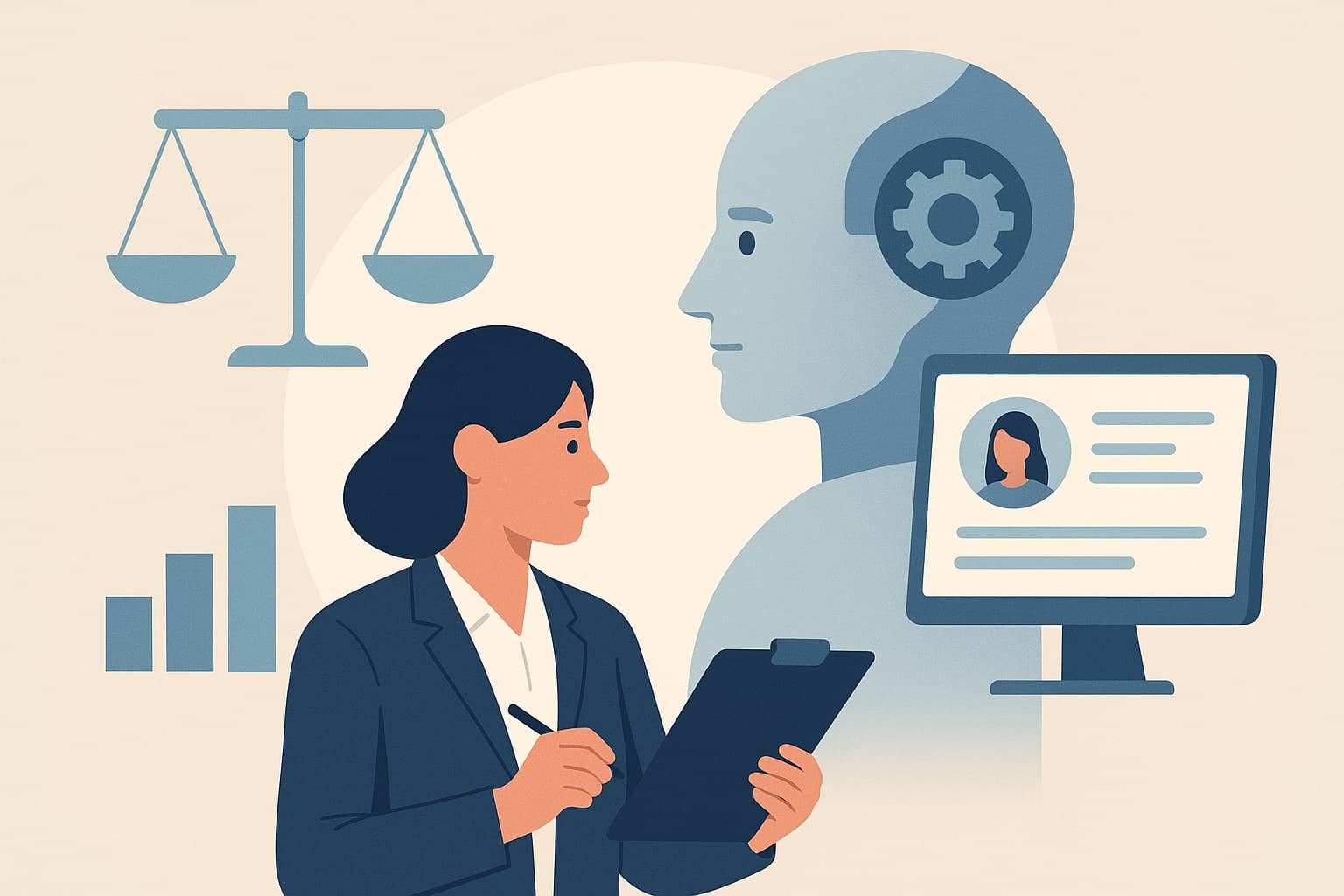
Title: Ensuring Fairness in AI Hiring Practices: A Guide for Corporate Decision-Makers and HR Leaders
In an era where technology is reshaping the workforce, artificial intelligence (AI) has emerged as a powerful tool in recruitment processes. It promises efficiency, scale, and objectivity, potentially transforming how companies identify and onboard talent. However, with great power comes great responsibility. Ensuring fairness in AI hiring is crucial, as biased algorithms can inadvertently perpetuate discrimination and inequality. This article explores the importance of AI hiring fairness and provides guidelines for corporate decision-makers and HR leaders to implement equitable AI-driven recruitment strategies.
Understanding AI in Hiring
AI in hiring typically involves algorithms that screen resumes, conduct initial interviews through chatbots, or even analyze video interviews to assess candidates. These systems are designed to streamline recruitment, reduce human bias, and select candidates based on data-driven insights. However, AI systems are only as fair as the data they are trained on. If historical data reflects biases, such as gender or racial disparities, the AI can perpetuate these biases in hiring decisions.
The Risks of Unfair AI Hiring
-
Bias Amplification: AI can inadvertently amplify existing biases if trained on biased data. For example, if an AI system is trained on data from a company that historically favored male candidates, it might prioritize similar profiles, disadvantaging female candidates.
-
Lack of Transparency: Many AI systems operate as "black boxes," making it difficult for users to understand how decisions are made. This lack of transparency can lead to mistrust among applicants and potential legal challenges.
-
Legal and Ethical Implications: Unfair AI practices can lead to violations of equal employment opportunity laws. Companies may face lawsuits, financial penalties, and reputational damage if their AI systems are found to discriminate.
Guidelines for Ensuring AI Hiring Fairness
-
Diverse and Inclusive Data Sets: To mitigate bias, it is critical to train AI models on diverse data sets. This involves using data that reflects a broad range of demographics, experiences, and backgrounds. Regular audits should be conducted to ensure data remains representative.
-
Bias Testing and Mitigation: Implement regular bias testing of AI systems to identify and address potential biases. Techniques such as algorithmic fairness metrics and adversarial testing can be employed to uncover disparities in how different groups are treated.
-
Transparency and Explainability: Choose AI systems that offer transparency and explainability in their decision-making processes. Understanding how an AI arrives at specific conclusions enables HR professionals to make informed decisions and address any inconsistencies.
-
Human Oversight: AI should augment, not replace, human decision-making. Ensure that human recruiters review AI-generated shortlists and maintain the final say in hiring decisions. This oversight helps catch any errors or biases in AI outputs.
-
Regular Training and Development: Equip HR teams with the necessary skills to work effectively with AI tools. Regular training on AI literacy, ethical considerations, and bias detection empowers HR professionals to manage AI-driven recruitment effectively.
-
Collaborate with AI Experts: Partner with AI ethicists and external experts to review and improve AI hiring practices. These collaborations can provide valuable insights and recommendations tailored to your organization's needs.
-
Feedback Mechanisms: Implement feedback mechanisms for candidates to report any perceived unfairness in the hiring process. This feedback can help identify areas for improvement and demonstrate a commitment to fairness and transparency.
The Role of Leadership
Corporate decision-makers play a pivotal role in setting the tone for AI hiring practices. Leadership must prioritize fairness and ethics in AI deployment as part of the organization's core values. This involves investing in fair AI technologies, fostering a culture of inclusivity, and holding teams accountable for equitable hiring outcomes.
Conclusion
As AI continues to revolutionize recruitment, ensuring fairness in AI hiring is not just a legal obligation but a moral imperative. For corporate decision-makers and HR leaders, the challenge lies in balancing technological advancement with ethical responsibility. By adopting inclusive data practices, maintaining human oversight, and fostering a culture of transparency, organizations can harness the benefits of AI while safeguarding against discrimination. In doing so, they not only enhance their reputation and legal standing but also build a diverse and inclusive workforce that reflects the values of modern society.
Frequently Asked Questions
Key questions often raised by business leaders and HR teams:
Why is fairness important in AI hiring?
Fairness in AI hiring is crucial to prevent discrimination and ensure equal opportunity for all candidates. Biased algorithms can perpetuate existing inequalities.
How can companies mitigate bias in AI hiring?
Companies can mitigate bias by using diverse data sets for training AI, conducting regular bias testing, and ensuring human oversight in the hiring process.
What role do HR leaders play in AI hiring practices?
HR leaders are responsible for implementing fair AI practices, maintaining transparency, and ensuring that human judgment complements AI-driven decisions.
What are the risks of unfair AI hiring?
Unfair AI hiring can lead to legal issues, reputational damage, and a lack of trust among candidates, which can harm a company's culture and diversity.
How can feedback mechanisms improve AI hiring fairness?
Feedback mechanisms allow candidates to report perceived unfairness, helping organizations identify areas for improvement and demonstrate a commitment to fairness.