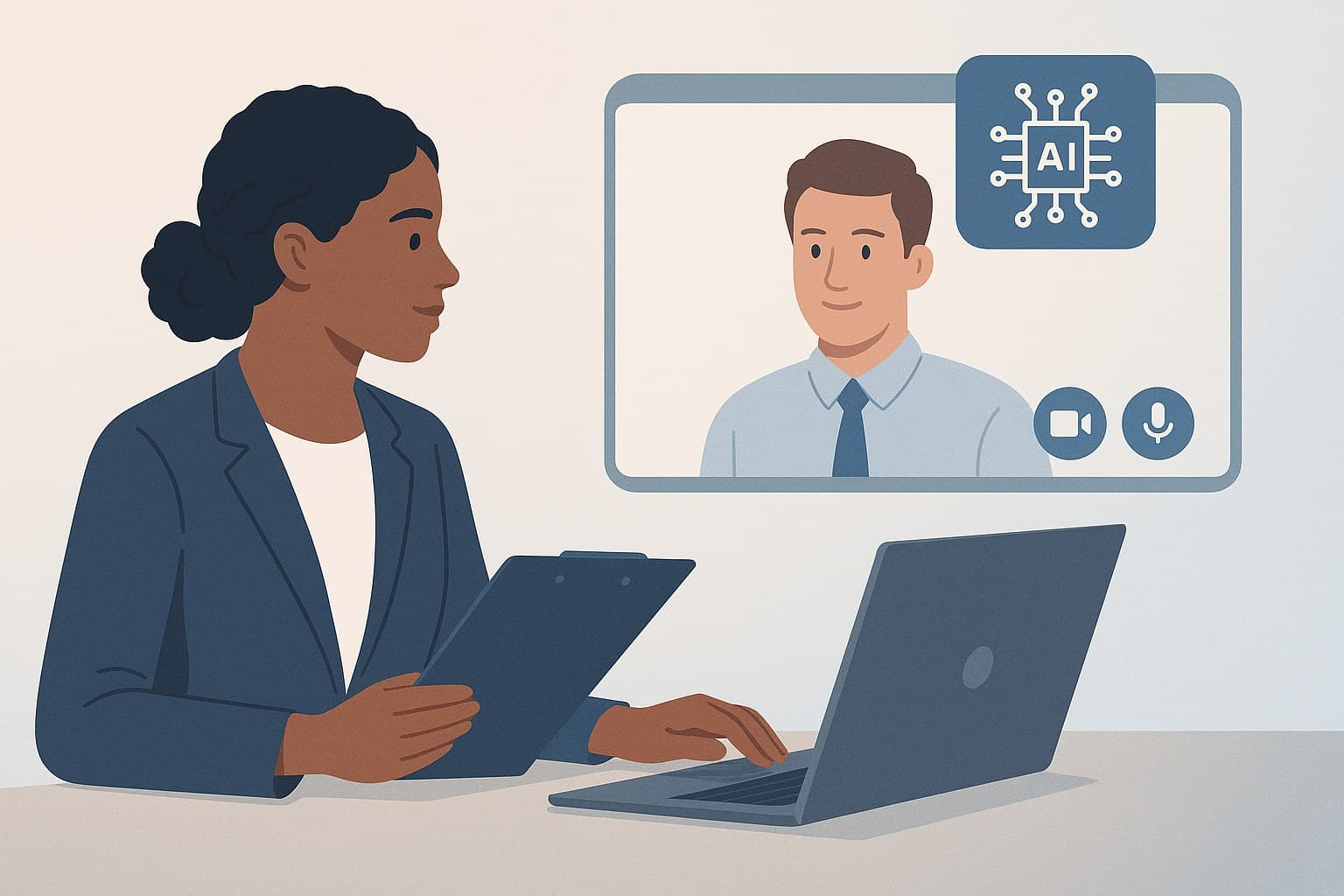
Mastering Group Interview Success: Strategies for Job Seekers
Group interviews can be daunting for many job seekers, but understanding how to navigate them effectively can significantly increase your chances of success. Group interview success hinges on the ability to communicate clearly, collaborate with others, and demonstrate your unique value in a competitive setting. In this guide, we'll explore actionable strategies to help you excel in group interviews, making you a standout candidate.
The Importance of Group Interview Success
Group interviews are increasingly common across various industries. Companies use this format to assess how candidates perform in team settings, an essential skill in the modern workplace. Unlike one-on-one interviews, group interviews reveal how individuals interact, solve problems, and adapt in real-time. For the job seeker, understanding the dynamics of a group interview is crucial because it can significantly impact your job prospects. Employers are not only looking for qualifications but also for candidates who can thrive in collaborative environments.
In a typical group interview, you may be assessed on your ability to lead discussions, your listening skills, and your capacity to integrate others' ideas with your own. These competencies are vital for roles that require teamwork and communication. By mastering group interviews, you demonstrate your readiness to contribute to an organization's culture and goals effectively.
Common Challenges in Group Interviews
Group interviews come with their own set of challenges that can trip up even the most prepared candidates. One of the primary difficulties is the competition you face. With multiple candidates present, standing out without overshadowing others can be tricky. There's also the pressure to speak up and make your voice heard while balancing the need to listen and respect others' contributions.
Another challenge is managing the dynamics of group discussions. Candidates often struggle with how much to contribute. Too little, and you might seem disengaged; too much, and you risk dominating the conversation. Additionally, nonverbal cues play a significant role in group settings. Misreading these cues can lead to misunderstandings.
To navigate these challenges, it's essential to prepare not just your answers but also your approach to interaction. Practice active listening and develop a keen awareness of group dynamics. This preparation can help you respond appropriately and maintain a positive presence throughout the interview.
Key Concepts for Group Interview Success
Understanding the core principles of group interview success can give you a competitive edge. Firstly, collaboration is key. Employers want to see that you can work well with others, valuing diverse perspectives and fostering a team-oriented environment. Displaying genuine interest in what others have to say and building on their ideas can set you apart as a collaborative candidate.
Communication is another critical component. Clear, concise, and confident communication ensures that your ideas are heard and understood. It's equally important to tailor your communication style to the group, adjusting as needed based on the discussion's flow and the reactions of others.
Lastly, adaptability is a prized trait in group interviews. The ability to remain flexible and adjust your approach as the situation unfolds demonstrates your readiness to handle unpredictable work environments. By showcasing adaptability, you reassure employers of your capability to thrive amidst change and uncertainty.
Effective Strategies for Group Interview Success
To succeed in a group interview, employ strategies that highlight your strengths while effectively engaging with others. Start by preparing thoroughly. Research the company and role to understand the skills and attributes they value. Practice answering common interview questions with a focus on teamwork scenarios, as these are likely to arise.
During the interview, make a conscious effort to contribute early. This sets a positive tone and demonstrates initiative. When contributing, aim to add value to the discussion by offering insightful comments, asking thoughtful questions, and connecting ideas.
Listening actively is vital. Show that you value others' input by nodding, maintaining eye contact, and providing feedback. This not only enhances your understanding of the conversation but also encourages others to engage with you.
Finally, manage your nonverbal communication. Your body language, facial expressions, and tone of voice all convey messages. Ensure that these align with your verbal communication to present a cohesive and confident image.
Anonymous Scenarios and Common Pitfalls
Consider the scenario of a hiring manager at a tech firm conducting a group interview for a project management role. Candidates might be asked to work together to solve a hypothetical project issue. In such a setting, it's common for individuals to inadvertently fall into pitfalls like speaking over others or failing to engage quieter participants.
To avoid these pitfalls, remain conscious of the group's dynamics. Encourage quieter candidates to share their thoughts, showcasing your leadership and inclusivity. Avoid dominating the conversation; instead, focus on facilitating a balanced discussion. This approach not only highlights your teamwork skills but also enhances the group's overall performance.
Another common pitfall is failing to adapt to changing dynamics. If the discussion shifts in an unexpected direction, demonstrate your flexibility by seamlessly integrating new information into your contributions. This adaptability is often highly regarded by interviewers.
Conclusion
Group interviews, while challenging, are an excellent opportunity to demonstrate a range of skills that are crucial in today's collaborative work environments. By understanding the importance of group interview success, recognizing common challenges, and applying effective strategies, you can confidently navigate these interviews and stand out as a candidate who not only meets the qualifications but excels in teamwork and communication.
As you prepare for your next group interview, consider these insights and put them into practice. Remember, the key to success lies in your ability to work well with others while clearly communicating your unique value. What steps will you take to ensure you shine in your next group interview? Reflect on these strategies, adapt them to your style, and watch as your interview performance reaches new heights.
Frequently Asked Questions
Key questions often raised by business leaders and HR teams:
What should I prepare for a group interview?
Research the company and role, and practice answering common interview questions focused on teamwork.
How can I stand out in a group interview?
Contribute early, add value to discussions, and actively listen to others to showcase your collaboration skills.
What are common pitfalls in group interviews?
Avoid dominating the conversation, encourage quieter participants, and adapt to changing group dynamics.