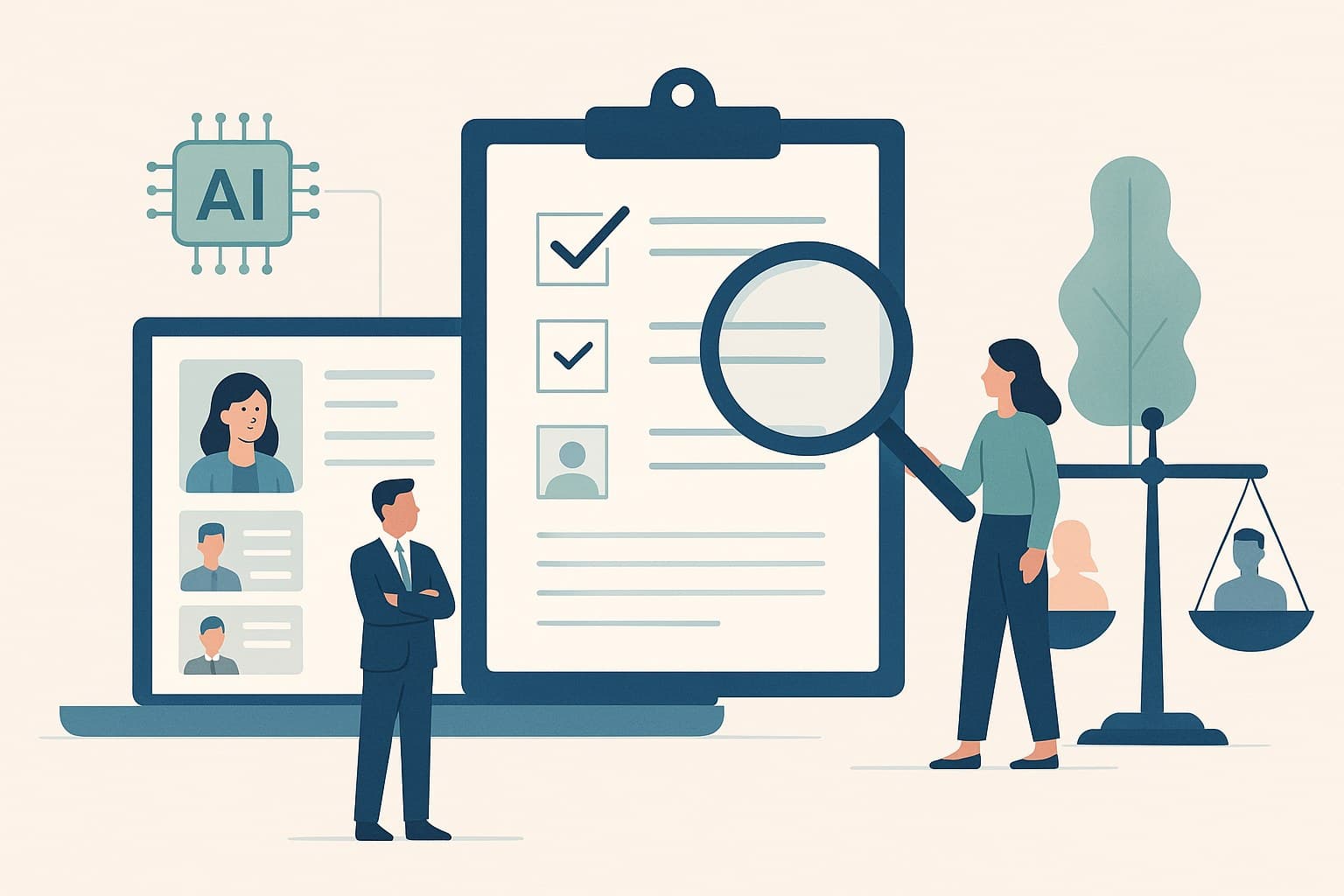
GxP Hiring, Audit-Ready Records, PHI Minimization, and AI Interviews: Navigating Compliance in the Life Sciences Industry
The life sciences industry is highly regulated, and for good reason. The products and services developed in this field have a direct impact on human health and well-being. As such, it is crucial for companies in this industry to adhere to strict quality guidelines and regulations to ensure the safety and effectiveness of their products. This is where GxP compliance comes into play.
GxP refers to a collection of quality guidelines and regulations used in the life sciences industry. These include Good Laboratory Practices (GLP), Good Clinical Practices (GCP), and Good Manufacturing Practices (GMP), among others. These guidelines and regulations cover various aspects of the product life cycle, from research and development to manufacturing, distribution, and post-market surveillance.
However, maintaining GxP compliance is not just about following the rules and regulations. It also involves having the right team in place, having audit-ready records, minimizing the use of Protected Health Information (PHI), and even incorporating Artificial Intelligence (AI) into the hiring process. In this article, we will delve deeper into each of these areas and explore how companies can navigate compliance in the life sciences industry.
GxP Compliance in AI: Validation and Qualification
The use of AI has become increasingly prevalent in the life sciences industry, with applications in drug discovery, clinical trials, and data analysis, to name a few. However, when it comes to GxP compliance, AI introduces a new set of challenges. In traditional GxP systems, validation and qualification are used to ensure that the systems perform as intended in regulated environments. This process involves testing and documenting the system's functionality, accuracy, and security.
When it comes to AI, the challenge lies in the fact that these systems are continuously learning and evolving. This makes traditional validation and qualification methods inadequate. Companies must develop new approaches to validate and qualify AI systems to ensure their compliance with GxP regulations. This may involve working closely with regulatory agencies to establish standards and guidelines for AI validation and qualification.
Understanding the Importance of GxP in Hiring
Hiring the right employees is crucial for companies in the life sciences industry, as their work directly impacts the safety and effectiveness of their products. As such, GxP compliance must also be considered in the hiring process. This means that companies must ensure that their job applicants have the necessary qualifications, skills, and experience to perform their roles effectively.
Moreover, GxP also extends to the behavior and ethics of job applicants. Companies must ensure that their potential employees act with honesty and integrity, as any false or misleading information provided during the hiring process can have serious consequences for the company's compliance. Background checks and thorough interviews can help companies assess a candidate's character and ensure that they meet the necessary GxP standards.
Audit-Ready Records: A Key Aspect of GxP Compliance
One of the primary goals of GxP compliance is to ensure that products are consistently manufactured and controlled to meet quality standards. This requires companies to maintain accurate and up-to-date records of their processes, procedures, and documentation. Audit-ready records are those that are organized, easily accessible, and contain all the necessary information to demonstrate compliance.
Having audit-ready records is crucial not only for GxP compliance but also for successful regulatory inspections. In the life sciences industry, regulatory agencies conduct frequent inspections to ensure that companies are following the necessary guidelines and regulations. With audit-ready records, companies can quickly provide evidence of their compliance and avoid potential penalties or delays in product approval.
Minimizing PHI: Protecting Patient Data
PHI refers to any information that can be used to identify an individual and their health status. In the life sciences industry, companies often collect and use PHI for various purposes, such as clinical trials, disease management, and adverse event reporting. However, with the increased focus on privacy and data protection, companies must take steps to minimize the use of PHI.
Minimizing PHI involves only collecting and using the necessary information and implementing strict security measures to protect patient data. This includes encrypting data, limiting access to authorized personnel, and regularly updating security protocols. Companies must also have a system in place for securely disposing of PHI once it is no longer needed.
AI Interviews: A New Frontier in GxP Hiring
The use of AI in the hiring process is gaining popularity, as it promises to streamline and improve the recruitment process. However, when it comes to GxP compliance, companies must be cautious in using AI for interviews. This is because AI algorithms are only as good as the data they are trained on, and if that data is biased or incomplete, it can lead to discriminatory practices.
To ensure GxP compliance, companies must carefully select and train their AI algorithms, ensuring that they are free from biases and capable of accurately assessing a candidate's qualifications and skills. Companies must also be transparent about their use of AI in the hiring process and provide candidates with the option to opt-out of AI interviews if they wish.
Conclusion: Staying Compliant in the Life Sciences Industry
In conclusion, GxP compliance is crucial for companies in the life sciences industry. It not only ensures the safety and effectiveness of products but also helps companies avoid penalties and delays in product approval. To stay compliant, companies must have a thorough understanding of GxP regulations, maintain audit-ready records, minimize the use of PHI, and carefully consider the use of AI in hiring processes. By following these guidelines, companies can navigate compliance in the life sciences industry successfully.
Request AI Audit or Book a Consultation to learn more about how AI can improve your hiring process while staying GxP compliant. With the right approach and technology, companies can achieve both efficiency and compliance in the ever-evolving life sciences industry.
Frequently Asked Questions
Key questions often raised by business leaders and HR teams:
What is GxP compliance?
GxP compliance refers to a set of quality guidelines and regulations in the life sciences industry, ensuring product safety and effectiveness.
How does AI impact GxP compliance?
AI introduces new challenges for GxP compliance, requiring innovative validation methods to ensure these systems meet regulatory standards.
Why are audit-ready records important?
Audit-ready records are crucial for demonstrating compliance during regulatory inspections and ensuring that companies meet quality standards.
What is PHI and why is it important to minimize it?
PHI refers to Protected Health Information, and minimizing its use is essential for protecting patient privacy and complying with data protection regulations.
How can companies ensure fairness in AI hiring processes?
Companies must train AI algorithms on unbiased data and provide candidates the option to opt-out of AI interviews to ensure fairness.