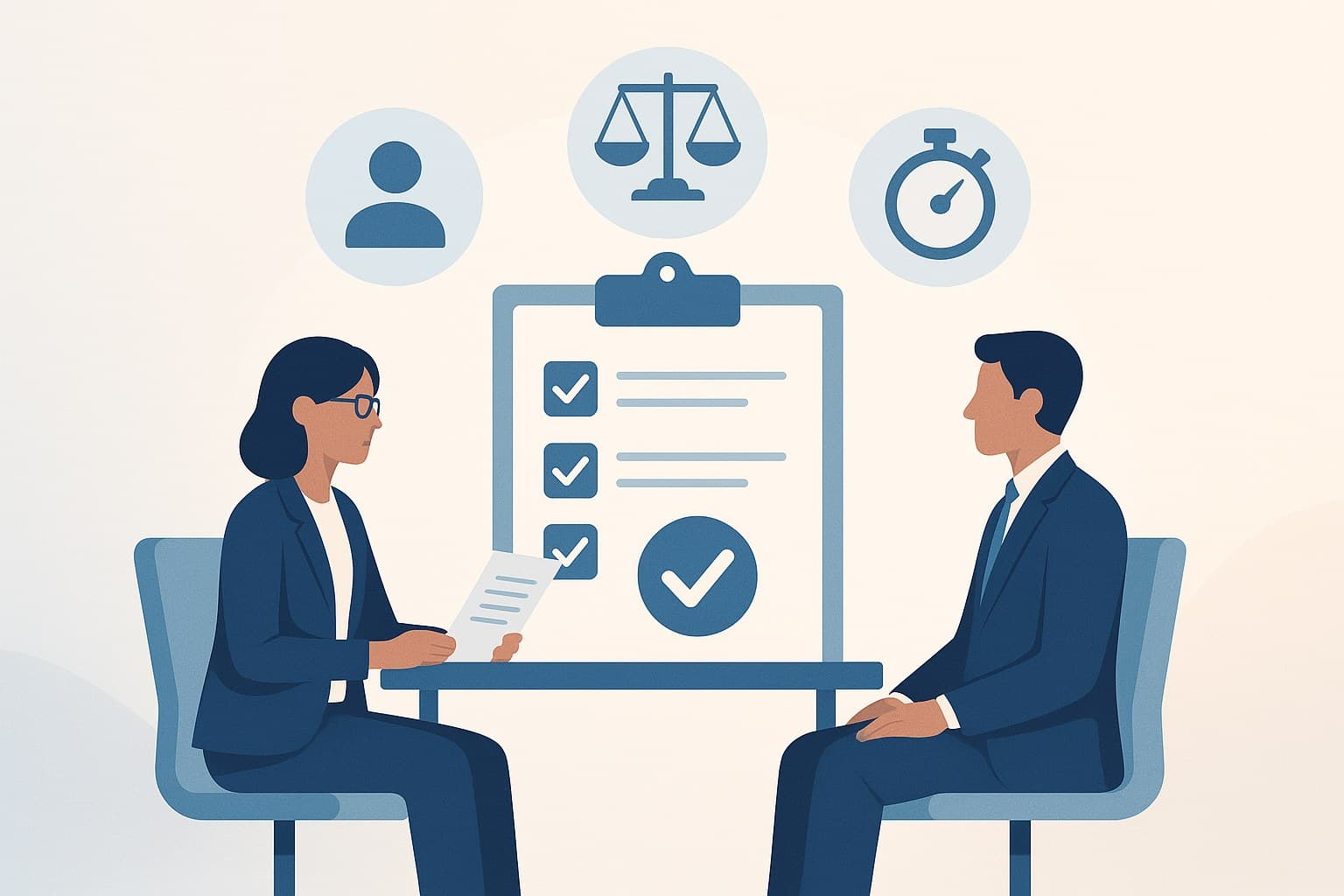
Headhunter AI Collaboration: Transforming Talent Acquisition in the Digital Age
In today's rapidly evolving business landscape, the integration of artificial intelligence (AI) into various sectors has become a game-changer. One field that is experiencing a significant transformation is talent acquisition, particularly through the collaboration between headhunters and AI technologies. This article delves into the collaboration of headhunters and AI, explores its impact on recruitment processes, and provides actionable insights for businesses looking to leverage this synergy.
Understanding Headhunter AI Collaboration
Headhunter AI collaboration refers to the partnership between traditional recruitment professionals and AI technologies to enhance the efficiency and effectiveness of the talent acquisition process. This collaboration combines the human intuition and networking skills of headhunters with the data processing and analytical capabilities of AI, leading to a more streamlined and accurate recruitment process.
The Role of AI in Talent Acquisition
AI technologies have made significant inroads into the recruitment industry, with applications ranging from sourcing candidates to optimizing interview processes. Here are some key areas where AI is making a difference:
Enhanced Candidate Sourcing
AI-powered tools can scan millions of online profiles, job boards, and social media platforms to identify potential candidates that match specific job criteria. This automation reduces the time headhunters spend on manual searches, allowing them to focus on more strategic tasks. According to a report by LinkedIn, AI can reduce the time to hire by as much as 30%.
Resume Screening and Matching
AI algorithms can efficiently screen resumes, identifying top candidates based on predefined criteria. These algorithms use natural language processing (NLP) to understand and evaluate the skills and experiences listed in resumes, significantly improving the matching accuracy. Research by Deloitte suggests that AI-driven resume screening can enhance recruitment efficiency by 40%.
Bias Reduction
Unconscious bias is a prevalent issue in recruitment. AI can help mitigate this by focusing on objective criteria and data-driven insights. By removing human biases from initial screening processes, companies can build more diverse and inclusive teams. A study by Harvard Business Review highlighted that AI tools reduced bias in candidate selection by 25%.
Predictive Analytics
AI can analyze past hiring data to predict candidate success and tenure, providing valuable insights into potential hires' long-term fit within a company. This predictive capability enables headhunters to make more informed decisions, reducing turnover rates and enhancing organizational stability.
Benefits of Headhunter AI Collaboration
The collaboration between headhunters and AI technologies offers numerous benefits, transforming the recruitment landscape. Here are some of the key advantages:
Increased Efficiency
AI automates repetitive and time-consuming tasks, allowing headhunters to focus on strategic elements of the recruitment process, such as relationship building and candidate engagement. This increased efficiency leads to faster hiring times and reduced costs. According to a survey by the Society for Human Resource Management (SHRM), organizations that integrate AI into their recruitment process see a 37% reduction in time-to-fill.
Improved Candidate Experience
AI-driven tools can provide candidates with timely updates and personalized communication throughout the recruitment process. This improves the candidate experience, enhancing a company's reputation and increasing the likelihood of attracting top talent. A report by Talent Board found that companies using AI in recruitment increased candidate satisfaction scores by 20%.
Better Quality of Hire
By leveraging AI's data-driven insights, headhunters can identify candidates who are not only qualified but also align with the company's culture and values. This results in better quality hires, reducing turnover rates and enhancing organizational performance. A study by Glassdoor indicates that organizations using AI in recruitment see a 50% increase in hire quality.
Challenges and Considerations
While the collaboration between headhunters and AI offers numerous benefits, it also presents challenges and considerations that businesses must address:
Data Privacy and Security
AI systems rely on vast amounts of data, raising concerns about data privacy and security. Companies must ensure they comply with data protection regulations, such as GDPR, and implement robust security measures to protect candidate information.
Ethical Concerns
AI algorithms can inadvertently perpetuate existing biases if not carefully designed and monitored. It is crucial for companies to regularly audit their AI systems to ensure fairness and transparency in the recruitment process.
Integration with Existing Systems
Integrating AI tools with existing recruitment systems can be challenging. Companies must invest in training and infrastructure to ensure a seamless integration that maximizes the benefits of AI collaboration.
Actionable B2B Takeaways
For businesses looking to leverage headhunter AI collaboration, here are some actionable takeaways:
Invest in the Right AI Tools
Identify AI tools that align with your recruitment needs and objectives. Consider factors such as scalability, ease of integration, and user-friendliness. Investing in the right tools can significantly enhance your recruitment process.
Train Your Team
Ensure your recruitment team is trained to work effectively with AI technologies. Facilitate workshops and training sessions to help them understand how to leverage AI tools to their advantage and integrate them into their workflows.
Monitor and Optimize AI Systems
Regularly monitor the performance of your AI systems to ensure they are delivering the desired outcomes. Collect feedback from your recruitment team and candidates to identify areas for improvement and optimize your AI systems accordingly.
Prioritize Ethical AI Practices
Adopt ethical AI practices by regularly auditing your AI systems for biases and ensuring transparency in your recruitment processes. Engage with third-party auditors if necessary to maintain fairness and accountability.
Foster a Collaborative Culture
Promote a culture of collaboration between headhunters and AI technologies. Encourage open communication and knowledge sharing to ensure both human and AI capabilities are utilized to their fullest potential.
Conclusion
The collaboration between headhunters and AI technologies is transforming the talent acquisition landscape, offering numerous benefits such as increased efficiency, improved candidate experiences, and better quality hires. However, businesses must also address challenges related to data privacy, ethical concerns, and integration to fully leverage this collaboration. By investing in the right AI tools, training their teams, and prioritizing ethical AI practices, businesses can harness the power of headhunter AI collaboration to gain a competitive edge in the recruitment market.
Embracing this synergy is not just a technological advancement; it is a strategic move that can redefine how companies attract, select, and retain top talent in the digital age.
Frequently Asked Questions
Key questions often raised by business leaders and HR teams:
What is headhunter AI collaboration?
Headhunter AI collaboration is the partnership between recruitment professionals and AI technologies to enhance the efficiency of the talent acquisition process.
How does AI improve candidate sourcing?
AI tools can scan vast amounts of online profiles and job boards to identify suitable candidates, significantly reducing the time spent on manual searches.
What are the benefits of using AI in recruitment?
Benefits include increased efficiency, improved candidate experience, and better quality of hire, leading to faster hiring times and reduced costs.
What challenges come with AI in recruitment?
Challenges include data privacy concerns, potential ethical issues with bias, and the need for integration with existing recruitment systems.
How can businesses effectively implement AI tools?
Businesses should invest in the right AI tools, train their recruitment teams, and regularly monitor and optimize their AI systems for best results.