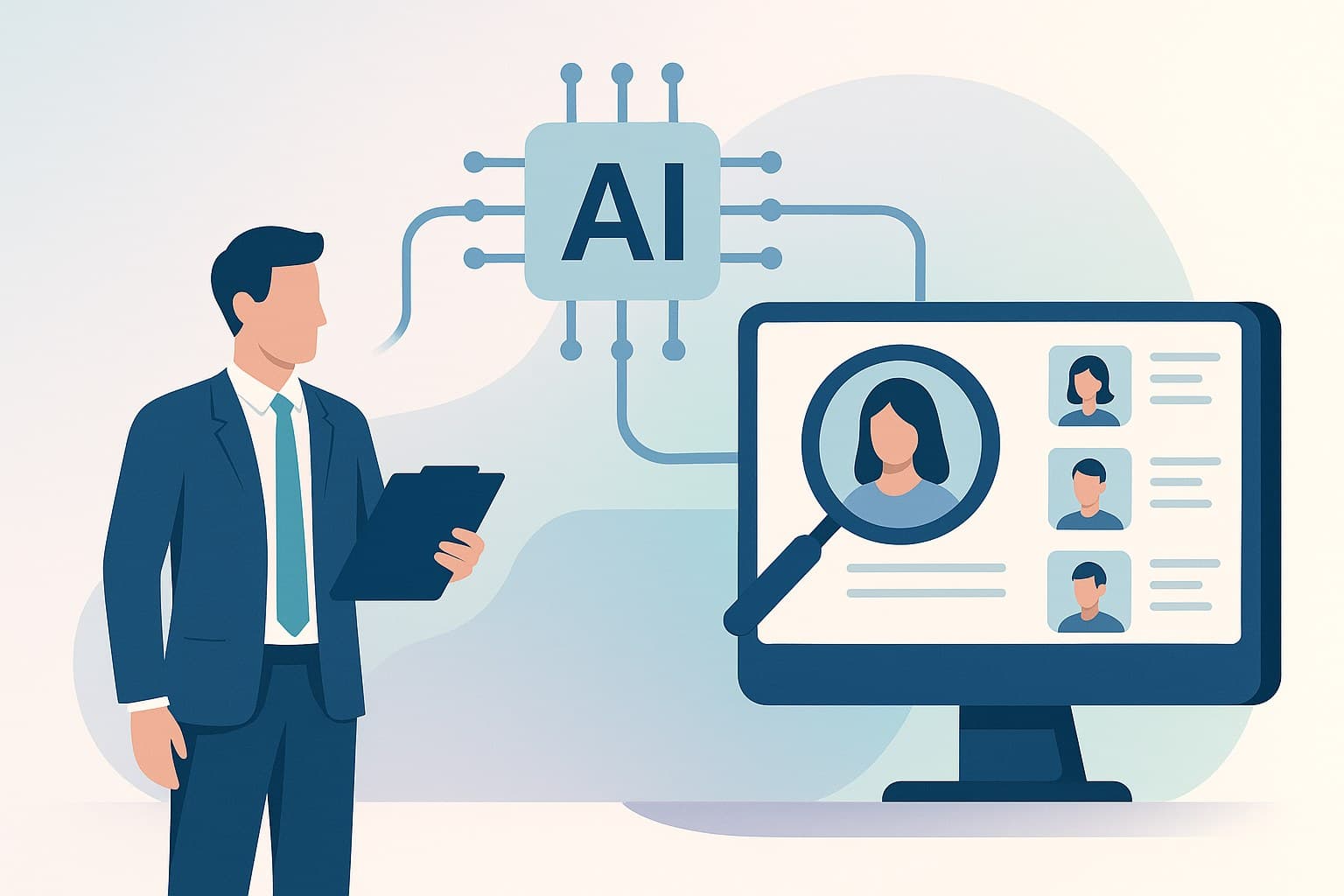
Hiring Manager Ghosting AI Workflow: The Impact on Recruitment Processes
In today's fast-paced business environment, time is of the essence. This is especially true when it comes to recruitment processes. Companies are always on the lookout for ways to streamline and speed up their hiring processes, and one of the latest trends is the use of AI (Artificial Intelligence) in recruitment. However, with this advancement comes a new phenomenon - hiring manager ghosting AI workflow. In this article, we will delve deeper into this issue, its impact on recruitment processes, and how to address it.
The Rise of AI in Recruitment
The use of AI in recruitment has been on the rise in recent years. This technology has the ability to automate and accelerate various stages of the recruitment process, from resume screening to candidate evaluation. AI-powered tools can analyze resumes, assess candidate skills, and even conduct video interviews. This has been seen as a game-changer for recruiters, as it eliminates the need for manual and time-consuming processes.
The Issue of Hiring Manager Ghosting AI Workflow
As AI continues to revolutionize the recruitment landscape, a concerning trend has emerged - hiring manager ghosting AI workflow. This refers to the practice of hiring managers using AI-powered tools to screen and evaluate candidates, but then abruptly cutting off communication with the candidates without any explanation or feedback. In other words, the candidates are "ghosted" by the hiring managers.
The Impact on Recruitment Processes
Ghosting by hiring managers has a significant impact on the recruitment processes. Firstly, it leads to a poor candidate experience. Candidates put in a lot of effort and time into the recruitment process, and being ghosted without any feedback or closure can be demoralizing and frustrating. This can damage a company's employer brand and make it difficult to attract top talent in the future.
Moreover, ghosting can also result in a loss of potential candidates. Candidates who have been ghosted are likely to share their negative experiences with others, which can deter them from applying to the company. This can result in a smaller pool of qualified candidates to choose from, increasing the time and resources needed to fill the position.
Furthermore, ghosting can also have a negative impact on the company's diversity and inclusion efforts. AI-powered tools are prone to bias, and if hiring managers solely rely on these tools for candidate evaluation, it can lead to a lack of diversity in the workforce. This can also result in legal implications for the company.
Addressing the Issue of Hiring Manager Ghosting AI Workflow
So, how can companies address the issue of hiring manager ghosting AI workflow? The first step is to acknowledge that this is a problem and take responsibility for it. Companies need to educate their hiring managers about the consequences of ghosting and the importance of providing feedback to candidates.
Additionally, companies can also invest in AI tools that have been validated and tested for bias, such as MIND Interview. This enterprise-grade AI recruitment platform offers AI resume analysis, structured asynchronous AI video interviews, and AI Verify governance to ensure fair and unbiased candidate evaluation. It also offers features such as visualized candidate reports, one-click report translations for multilingual hiring teams, and a hiring workspace for bulk invites and scheduling.
Conclusion: The Importance of Maintaining Humanity in Recruitment Processes
In conclusion, while AI has the potential to revolutionize recruitment processes, it should not come at the cost of humanity. Companies need to ensure that their hiring managers maintain a level of transparency and communication with candidates, even when using AI-powered tools. Ghosting should not be seen as an acceptable practice, and steps need to be taken to address it.
As we continue to embrace technology in recruitment, it is crucial to remember that the human touch is still essential in building a strong and diverse workforce. Companies need to strike a balance between AI and human interaction to create a positive candidate experience and maintain a good reputation in the job market.
So, let's take a step back and consider the impact of hiring manager ghosting AI workflow. Let's strive towards maintaining humanity in our recruitment processes and creating a fair and inclusive environment for all candidates. To learn more about how MIND Interview can help you streamline your recruitment processes while maintaining a human touch, visit their website at https://www.mind-interview.com/en/.
Frequently Asked Questions
Key questions often raised by business leaders and HR teams:
What is hiring manager ghosting?
Hiring manager ghosting refers to the practice where hiring managers stop communicating with candidates without any explanation after using AI tools for evaluation.
How does ghosting affect candidates?
Ghosting can lead to a poor candidate experience, causing frustration and damaging the company's reputation among potential applicants.
What can companies do to prevent ghosting?
Companies can educate hiring managers on the importance of providing feedback and invest in AI tools that ensure fair candidate evaluation.
Why is diversity important in recruitment?
Diversity in recruitment helps create a more inclusive workforce, which can enhance creativity and drive better business outcomes.
How can AI improve recruitment processes?
AI can automate tasks like resume screening and candidate evaluation, making the recruitment process faster and more efficient.