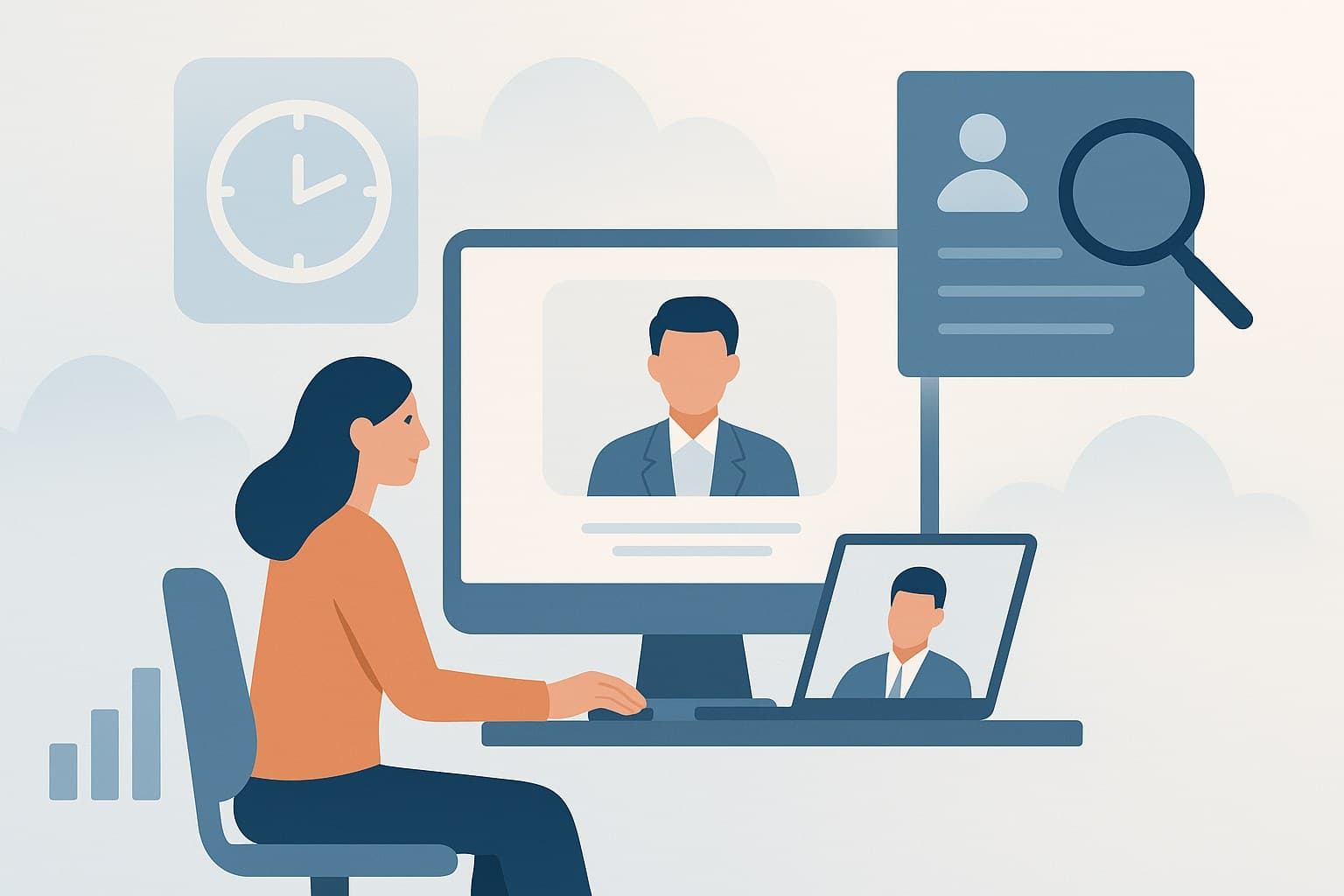
HR Analytics with AI Interviews: Revolutionizing the Hiring Process
Human resources (HR) has always been a crucial aspect of any organization. From recruiting and onboarding to performance management and employee development, HR plays a vital role in the success of a company. However, with the rise of technology and the need for efficient and data-driven processes, HR has also evolved to incorporate analytics in its practices. And with the advent of artificial intelligence (AI), HR analytics has taken a significant step forward, especially in the area of hiring.
In this article, we will delve into the world of HR analytics with AI interviews, exploring its benefits, challenges, and potential impact on the hiring process.
The Rise of HR Analytics
HR analytics involves using data to gain insights into the workforce, identify trends and patterns, and make data-driven decisions. This data can come from various sources, such as employee surveys, performance reviews, and even social media. By analyzing this data, HR can gain a better understanding of their employees and make strategic decisions that align with the organization's goals.
The Benefits of HR Analytics with AI Interviews
AI has become a game-changer in the world of HR, especially in the hiring process. Traditional hiring methods, such as resume screening and interviews, can be time-consuming and prone to biases. With AI-powered tools, HR can streamline the process, making it more efficient, accurate, and unbiased.
Moreover, AI-powered interviews can also improve candidate experience by providing a more personalized and efficient process. Candidates can complete interviews at their convenience, without the need for multiple rounds of in-person interviews. This not only saves time but also reduces the stress and expenses for candidates.
Challenges of HR Analytics with AI Interviews
Despite the benefits, the use of AI in interviews also presents some challenges. One of the main concerns is the potential for bias in the algorithms used by AI tools. These algorithms are trained on historical data, which can contain biases and perpetuate them in the hiring process. To combat this, HR needs to ensure that the data used to train these algorithms is diverse and free from biases.
Another challenge is the potential for AI to overlook soft skills and emotional intelligence, which are crucial in the workplace. While AI can analyze and assess technical skills, it may not be able to gauge a candidate's communication, teamwork, and problem-solving abilities. HR needs to find a balance between using AI tools and incorporating human judgment in the hiring process.
The Future of HR Analytics with AI Interviews
The use of AI in HR is still in its early stages, and there is a lot of room for growth and development. As AI tools continue to evolve, they will become more sophisticated, enabling HR to gain even deeper insights into their workforce. This will not only help in the hiring process but also in other areas, such as employee engagement, retention, and development.
Moreover, the use of AI in interviews can also help in the creation of more diverse and inclusive workplaces. By eliminating human biases, AI can ensure that candidates are evaluated based on their skills and qualifications, rather than their background or demographics.
Key Takeaways
HR analytics with AI interviews have the potential to revolutionize the hiring process. By using data and AI-powered tools, HR can make the process more efficient, accurate, and unbiased. However, it is essential to ensure that these tools are free from biases and do not overlook soft skills and emotional intelligence.
As AI continues to advance, HR needs to adapt and find ways to incorporate it into their processes. By leveraging AI, HR can gain valuable insights into their workforce and make informed decisions that drive the organization's success.
In conclusion, HR analytics with AI interviews are the future of hiring, and organizations that embrace this technology will have a competitive edge in the market. It is time for HR to embrace this technological advancement and revolutionize the way they attract, assess, and hire top talent.
Frequently Asked Questions
Key questions often raised by business leaders and HR teams:
What are HR analytics?
HR analytics involves using data to gain insights into the workforce and make informed decisions about hiring, retention, and employee development.
How does AI improve the hiring process?
AI streamlines the hiring process by automating tasks like resume screening and interview scheduling, making it more efficient and reducing biases.
What challenges does AI face in hiring?
AI can perpetuate biases if trained on biased data and may overlook essential soft skills that are crucial for workplace success.
Can AI interviews enhance candidate experience?
Yes, AI interviews allow candidates to complete assessments at their convenience, reducing stress and improving overall experience.
What is the future of AI in HR?
The future of AI in HR looks promising, with potential advancements leading to deeper insights and more inclusive hiring practices.