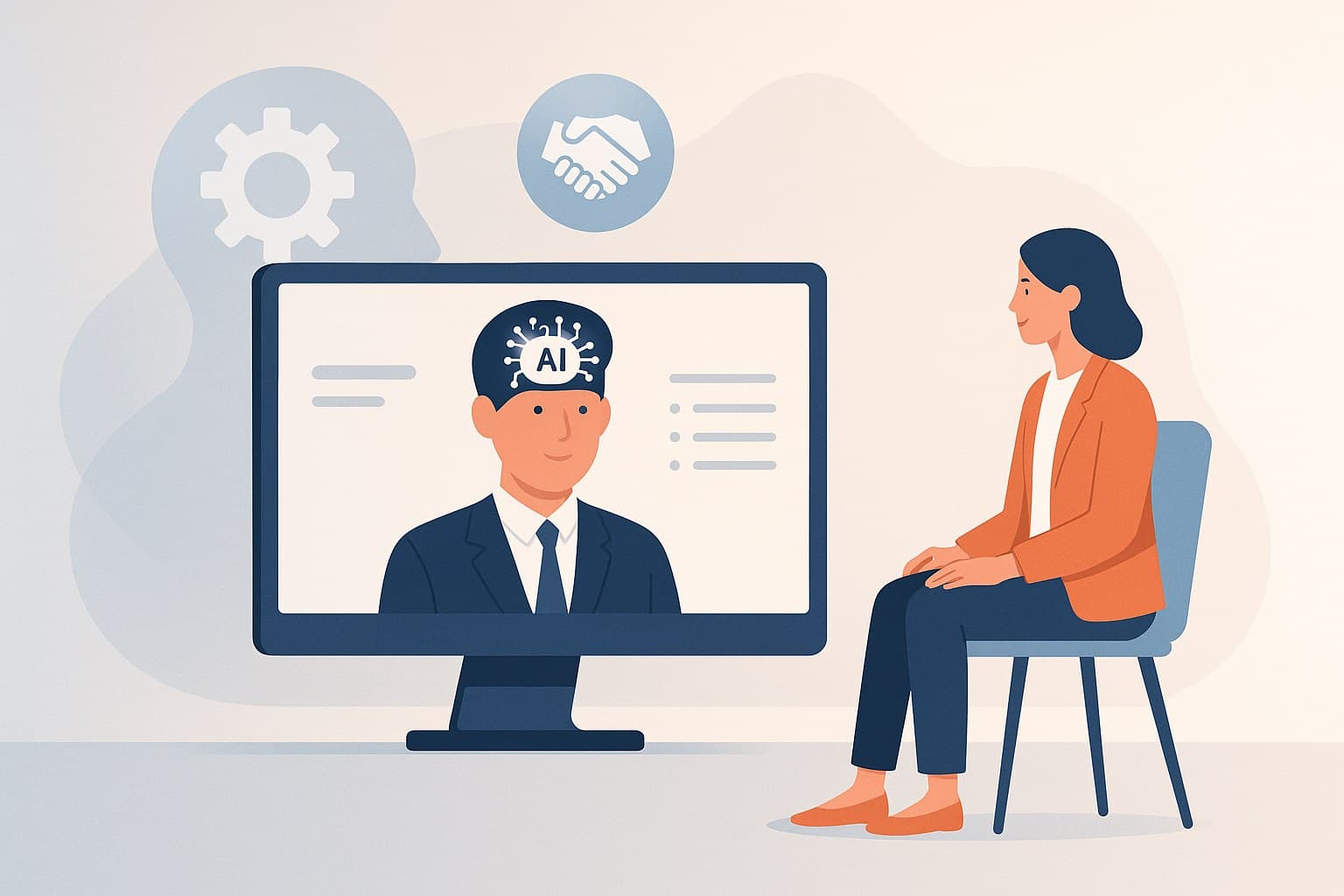
Human Review vs AI Shortlist Decision Matrix: Navigating the Future of Recruitment
In the rapidly evolving landscape of recruitment, the integration of artificial intelligence (AI) has sparked both excitement and apprehension. For corporate decision-makers and HR executives, understanding the dynamics between human review and AI-driven processes is crucial. As organizations strive to attract and retain top talent, the decision matrix of human review versus AI shortlist emerges as a pivotal tool in shaping recruitment strategies.
The Rise of AI in Recruitment
AI has revolutionized various industries, and recruitment is no exception. The promise of AI lies in its ability to process vast amounts of data quickly, identify patterns, and streamline decision-making processes. In recruitment, AI can automate repetitive tasks, enhance candidate sourcing, and even predict candidate success based on historical data.
For HR professionals, AI offers the allure of efficiency. The traditional recruitment process can be time-consuming and resource-intensive. With AI, tasks such as resume screening, scheduling interviews, and assessing candidate fit can be expedited, allowing HR teams to focus on strategic activities.
The Role of Human Review
Despite the advancements in AI, human review remains an indispensable component of recruitment. The human touch brings empathy, intuition, and contextual understanding—qualities that AI, at least for now, cannot replicate. Human reviewers can assess cultural fit, gauge interpersonal skills, and make nuanced judgments that go beyond data points.
Moreover, the recruitment process is not solely about matching skills to job descriptions. It involves understanding the aspirations, motivations, and potential of candidates. Human reviewers excel at interpreting these subtleties, ensuring that organizations not only hire qualified candidates but also individuals who align with their values and mission.
The Decision Matrix: Balancing AI and Human Review
To harness the strengths of both AI and human review, organizations can employ a decision matrix that delineates when and how each should be applied. This matrix is not a one-size-fits-all solution but a framework that can be tailored to the unique needs of each organization.
-
Initial Screening: AI Dominance
At the top of the funnel, where the volume of applications is highest, AI can be particularly effective. Automated systems can quickly sift through resumes, identify keywords, and shortlist candidates who meet the basic qualifications. This stage is often time-consuming for human reviewers, making it an ideal starting point for AI intervention.
-
Shortlisting: A Collaborative Approach
As candidates progress through the recruitment funnel, a collaborative approach becomes essential. AI can provide data-driven insights, highlighting candidates with the highest potential based on predefined criteria. Human reviewers, however, should validate these insights, ensuring that shortlisted candidates possess not only the technical skills but also the interpersonal qualities needed for the role.
-
Interviews: The Human Element
The interview stage is where human reviewers shine. Here, the focus shifts from data to dialogue. Interviews allow recruiters to assess soft skills, cultural fit, and the candidate's ability to articulate their experiences and aspirations. While AI can assist by providing structured interview questions or analyzing facial expressions, the interpretation of responses remains a uniquely human endeavor.
-
Final Selection: Data and Intuition
The final selection is a critical juncture where data and intuition converge. AI can offer predictive analytics, assessing the likelihood of a candidate's success based on historical data. However, the ultimate decision should be informed by human judgment, considering factors such as team dynamics, diversity, and long-term potential.
Ethical Considerations and Bias Mitigation
As organizations embrace AI in recruitment, ethical considerations must be at the forefront. AI systems are only as unbiased as the data they are trained on. If historical data reflects biases, AI can perpetuate these biases, leading to unfair hiring practices. Therefore, organizations must prioritize transparency, regularly audit AI systems for bias, and ensure that human reviewers are involved in critical decision-making stages.
Additionally, candidates should be informed about the role of AI in the recruitment process, promoting transparency and trust. By providing candidates with insights into how their data is used and evaluated, organizations can foster a more equitable recruitment environment.
Conclusion: The Path Forward
For corporate decision-makers and HR executives, the integration of AI in recruitment is not a question of if but how. The decision matrix of human review versus AI shortlist offers a strategic framework to navigate this integration, balancing efficiency with empathy.
As organizations continue to innovate, the key lies in leveraging AI to augment human capabilities rather than replace them. By doing so, companies can create a recruitment process that is not only efficient and data-driven but also human-centered and fair.
In the end, the success of recruitment strategies will hinge on the ability to combine the best of both worlds—harnessing the power of AI while preserving the invaluable insights that only human reviewers can provide. This balanced approach will ensure that organizations attract, engage, and retain the talent needed to thrive in a dynamic and competitive business landscape.
Frequently Asked Questions
Key questions often raised by business leaders and HR teams:
What is the role of AI in recruitment?
AI streamlines the recruitment process by automating tasks like resume screening and candidate sourcing, enhancing efficiency.
Why is human review still important in hiring?
Human reviewers bring empathy and contextual understanding, crucial for assessing cultural fit and interpersonal skills.
How can organizations balance AI and human input in recruitment?
By using a decision matrix, organizations can determine when to apply AI and when to rely on human judgment, ensuring a comprehensive approach.
What ethical considerations should be taken into account with AI in recruitment?
It's essential to regularly audit AI systems for bias and maintain transparency with candidates about how their data is used.
What are the benefits of a collaborative approach in recruitment?
A collaborative approach combines data-driven insights from AI with the nuanced understanding of human reviewers, leading to better hiring decisions.