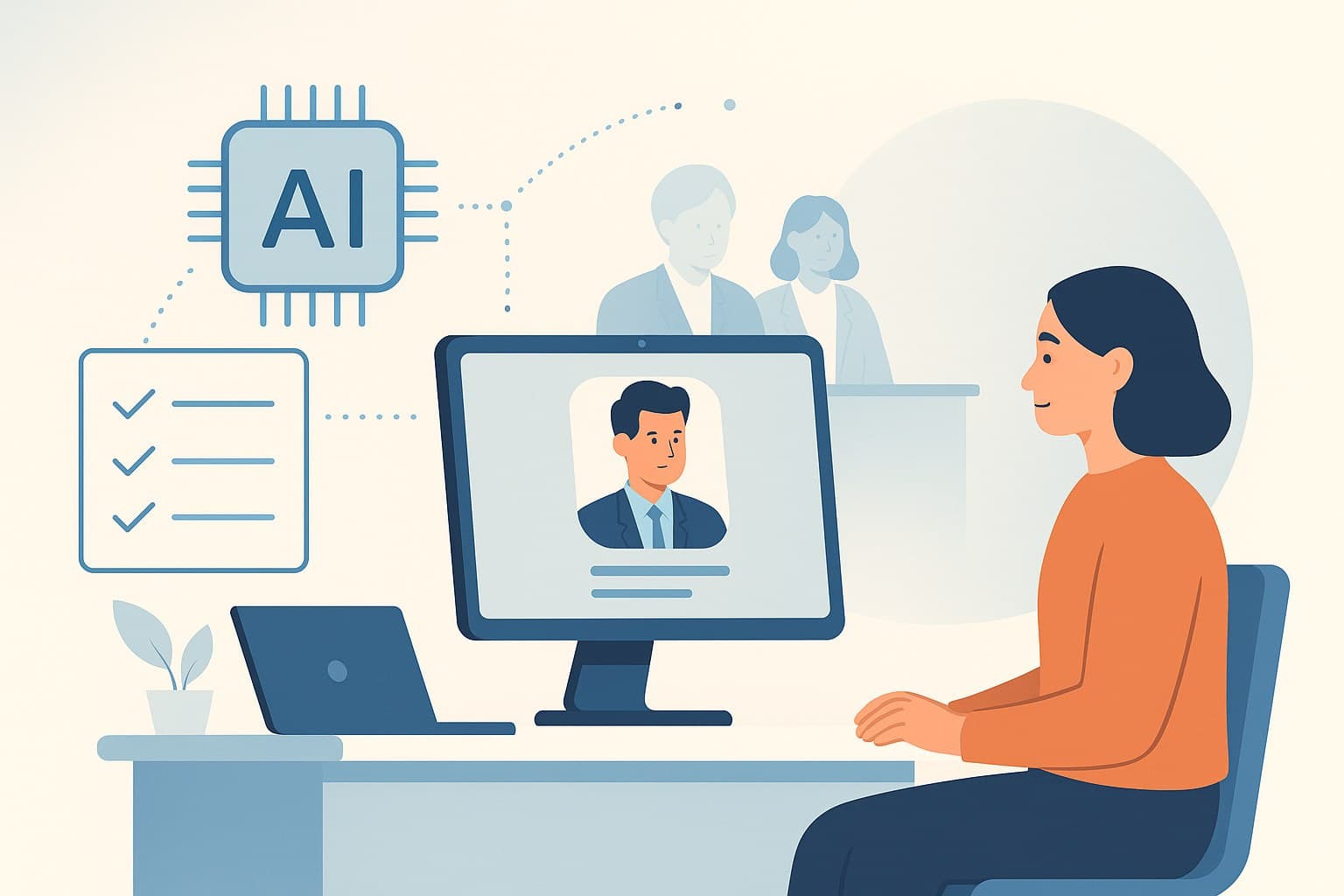
Illinois AI Video Interview Act: Protecting Privacy and Promoting Consent
Technology has greatly transformed the way we live, work, and interact with one another. With the rise of artificial intelligence (AI), we have seen significant advancements in various industries, including human resources. Companies are now using AI-powered video interviews to streamline their hiring process and make more data-driven decisions. However, with this new technology comes concerns about privacy and consent. In response to these concerns, Illinois took a pioneering step in 2019 by enacting the Illinois AI Video Interview Act (AIVFA). In this article, we will delve into the details of this act, the importance of consent, and the aspects of data deletion.
The Birth of the Illinois AI Video Interview Act
The Illinois AI Video Interview Act was sponsored by Representative Jaime Andrade Jr. in 2019, making Illinois the first state to regulate the use of AI in video interviews. The act aims to protect the privacy rights of job applicants by regulating the use of AI during the hiring process. It requires companies to obtain consent from applicants before using AI technology in video interviews and provides guidelines for the storage and deletion of the collected data.
In February 2021, the act was amended to strengthen its provisions and extend its scope to include all employers, regardless of size. This amendment, which will take effect in 2026, also requires employers to provide applicants with a copy of the AI-generated video interview and allow them to request the deletion of their data.
The Importance of Consent
Consent is a crucial aspect of the Illinois AI Video Interview Act. It ensures that job applicants are aware of and agree to the use of AI technology in their video interviews. The act defines consent as "voluntary, informed, and explicit agreement given by a job applicant to have their video interview recorded, analyzed, or shared using AI technology."
Without consent, employers cannot use AI technology in video interviews, and if an applicant withdraws their consent, the employer must stop using the AI technology immediately. This ensures that applicants have full control over their personal data and can choose whether or not to participate in the hiring process using AI.
The Role of Data Deletion
The Illinois AI Video Interview Act also addresses concerns about the storage and usage of personal data collected through AI-powered video interviews. It requires employers to delete all data collected within 30 days of a request by the applicant. This includes all video recordings, AI-generated analysis, and any other personal data collected during the interview process.
The act also prohibits employers from sharing or disclosing any data collected through AI video interviews without the applicant's consent, except in limited circumstances, such as complying with a legal obligation or for research and development purposes.
The Impact of AI in Video Interviews
The use of AI technology in video interviews has raised concerns about bias and discrimination. AI analyzes a candidate's body language, facial expressions, vocal tone, and language patterns to generate insights about their personality and job fit. However, these algorithms are not perfect and can perpetuate biases, leading to discriminatory hiring practices.
The Illinois AI Video Interview Act aims to address these concerns by requiring employers to disclose the use of AI technology in video interviews and obtain explicit consent from applicants. This not only promotes transparency but also gives applicants the opportunity to challenge any biases that may arise.
Best Practices for Employers
The Illinois AI Video Interview Act has set a precedent for other states to follow in regulating the use of AI in hiring processes. Employers must take note of the act's provisions and ensure they are in compliance to avoid legal consequences. Here are some best practices for employers to consider when using AI technology in video interviews:
- Be transparent with applicants about the use of AI technology in video interviews and seek their consent.
- Train HR professionals on how to use AI technology to reduce the risk of bias and discrimination.
- Regularly review and update AI algorithms to ensure they are not biased.
- Have a clear data deletion policy in place and comply with applicants' requests for data deletion.
- Keep personal data secure and limit access to only those who need it.
Conclusion
The Illinois AI Video Interview Act sets a precedent for other states to follow in regulating the use of AI technology in video interviews. It promotes transparency, protects privacy rights, and gives applicants control over their personal data. Employers must ensure they comply with the act's provisions and follow best practices to avoid legal consequences. As technology continues to advance, it is essential to have regulations in place to protect individuals' privacy and promote fairness in the hiring process.
If you are an employer in Illinois, it is crucial to understand the provisions of the Illinois AI Video Interview Act and take necessary steps to comply. By prioritizing consent and data deletion, companies can use AI technology in video interviews while still upholding the privacy rights of job applicants. To learn more about the Illinois AI Video Interview Act and its impact, visit the Illinois General Assembly website.
To stay updated on the latest developments in HR technology and regulations, visit our blog.
Frequently Asked Questions
Key questions often raised by business leaders and HR teams:
What is the Illinois AI Video Interview Act?
The Illinois AI Video Interview Act regulates the use of AI technology in video interviews, ensuring that job applicants' privacy rights are protected and that consent is obtained.
What are the key requirements for employers under this act?
Employers must obtain explicit consent from applicants before using AI in interviews, provide access to AI-generated video recordings, and comply with data deletion requests within 30 days.
How does the act address bias in AI hiring processes?
The act mandates transparency regarding the use of AI technology and allows applicants to challenge potential biases, promoting fairness in the hiring process.
When did the Illinois AI Video Interview Act come into effect?
The act was enacted in 2019 and was amended in 2021 to extend its provisions to all employers, with some changes taking effect in 2026.
Why is consent important in AI video interviews?
Consent ensures that applicants are informed and agree to the use of AI technology, giving them control over their personal data during the hiring process.