
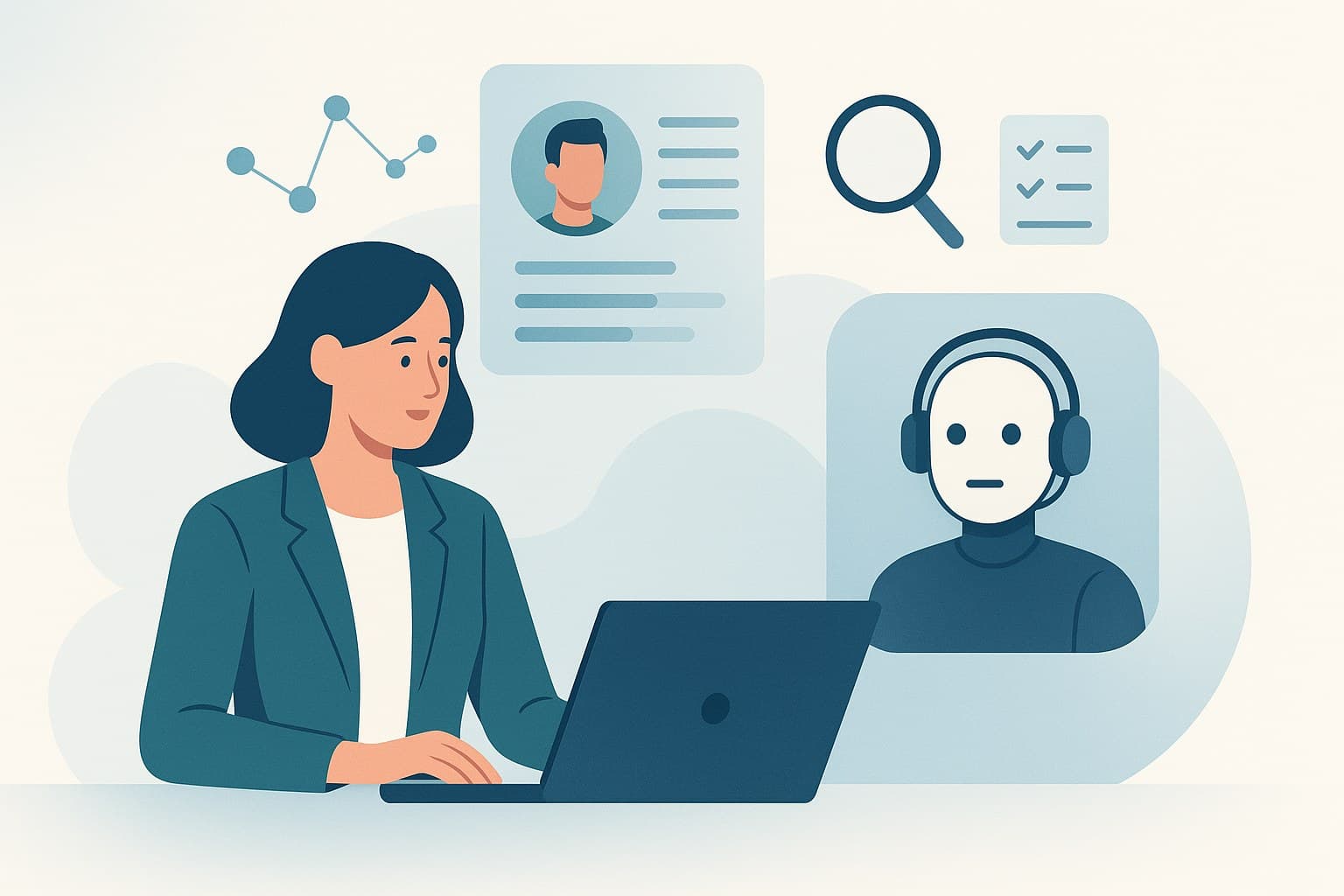
Mastering the Interview: Essential Checklist for Job Seekers
Facing a job interview can be daunting, especially for recent graduates and career changers. The stakes are high, and the pressure is palpable. An interview checklist is crucial to navigate this nerve-wracking process. It ensures that you are thoroughly prepared to make a lasting impression. This guide will delve into the critical components of an effective interview checklist, helping you anticipate common challenges and leverage opportunities to stand out in the competitive job market.
Understanding the Importance of an Interview Checklist
An interview checklist serves as your strategic roadmap, guiding you through the preparation process to ensure you don't overlook crucial elements. In today's competitive job market, being well-prepared can make the difference between landing your dream job or continuing your search. A comprehensive checklist helps you organize your thoughts, refine your responses, and project confidence.
Preparation can significantly reduce anxiety. Knowing that you have covered all bases allows you to focus on presenting your best self during the interview. Additionally, a checklist can help you tailor your approach to different companies and roles, demonstrating your genuine interest and adaptability.
Common Pitfalls in Interview Preparation
Many job seekers fall into similar traps when preparing for interviews. One common mistake is failing to research the company thoroughly. Understanding the company’s mission, values, and culture is vital. It shows your enthusiasm and allows you to align your responses with the company’s goals.
Another pitfall is neglecting to practice answers to common interview questions. While spontaneity is important, having well-thought-out responses to questions like "Tell me about yourself" or "What are your greatest strengths and weaknesses?" can boost your confidence and ensure you communicate effectively.
Overlooking logistical details can also lead to unnecessary stress. Confirm the interview time, location, or virtual platform details well in advance. Make sure your technology is functioning properly if the interview is online.
Core Components of an Effective Interview Checklist
To build a robust interview checklist, focus on key areas that cover both preparation and performance.
-
Research the Company: Gather information about the organization’s history, mission, recent achievements, and challenges. Use this information to tailor your responses and questions.
-
Understand the Job Description: Analyze the job description to identify key skills and experiences required. Prepare examples from your past experiences that demonstrate these qualifications.
-
Practice Common Questions: Develop concise and impactful responses to typical questions. Use the STAR method (Situation, Task, Action, Result) to structure your answers for behavioral questions.
-
Prepare Questions for the Interviewer: Prepare insightful questions that show your interest in the role and company. Avoid questions that can be easily answered through basic research.
-
Plan Your Attire: Choose professional attire that suits the company culture. If in doubt, opt for a more formal look.
-
Organize Your Documents: Bring multiple copies of your resume, a list of references, and any other required documents neatly organized in a folder.
Step-by-Step Guide to Implementing Your Checklist
Once your checklist is ready, it's time to implement it methodically.
-
One Week Before: Begin with company research and job description analysis. Identify key areas where your skills align with the company’s needs.
-
Three Days Before: Practice your responses to common questions. Use mock interviews to simulate the interview experience and receive feedback.
-
Day Before: Confirm logistics such as interview time, location, or online platform details. Ensure your outfit is ready and documents are organized.
-
Day Of: Arrive early to the interview location or log in to the virtual platform at least 10 minutes before the scheduled time. Use this time to calm your nerves and review your notes.
Navigating Common Interview Scenarios
Understanding how to handle typical interview scenarios can enhance your performance.
-
Handling Difficult Questions: When faced with a challenging question, take a moment to think before answering. It’s okay to ask for clarification if needed. Use the STAR method to structure your response.
-
Dealing with Nerves: Practice deep breathing techniques or visualization exercises to calm pre-interview jitters. A positive mindset can be incredibly empowering.
-
Building Rapport: Pay attention to the interviewer’s tone and body language. Mirroring these subtly can help build rapport. Show genuine interest in the conversation and the interviewer’s insights.
-
Follow-Up: After the interview, send a thank-you email reiterating your interest in the position and expressing gratitude for the opportunity to interview.
Conclusion
Mastering the art of interviewing is a critical skill for job seekers. An interview checklist is an invaluable tool that ensures you are prepared, confident, and ready to impress potential employers. By understanding the importance of preparation, avoiding common pitfalls, and following a structured approach, you can significantly enhance your interview performance. As you continue your job search, remember that each interview is an opportunity to learn and improve. What will you do differently in your next interview to stand out?
Frequently Asked Questions
Key questions often raised by business leaders and HR teams:
What should I include in my interview checklist?
Your checklist should include company research, understanding the job description, practicing common questions, preparing questions for the interviewer, and organizing your documents.
How can I reduce anxiety before an interview?
To reduce anxiety, practice deep breathing techniques, prepare thoroughly, and arrive early to the interview location to calm your nerves.
Why is it important to research the company before an interview?
Researching the company helps you align your responses with their values and goals, showing your genuine interest and enhancing your chances of making a good impression.
What is the STAR method in interview preparation?
The STAR method stands for Situation, Task, Action, and Result. It's a structured way to answer behavioral interview questions effectively.