Interview Process Differences by Industry: What Job Seekers Should Know
Navigating the job market can be a daunting task, especially when considering the wide array of interview processes across different industries. Each sector has its unique set of requirements and expectations that can significantly influence the outcome of your job application. Whether you're a recent graduate or a seasoned professional switching careers, understanding these differences is crucial for tailoring your approach and maximizing your chances of success.
Why Understanding Industry-Specific Interview Processes is Crucial
For job seekers, knowing the nuances of industry-specific interview processes is not just beneficial—it's essential. Different industries prioritize different skills and experience levels, impacting how they evaluate candidates. For example, while a tech company may focus on coding skills and problem-solving abilities, a marketing firm might prioritize creativity and communication skills.
Understanding these distinctions helps you prepare more effectively. For instance, if you're applying to a tech firm, you might need to brush up on coding tests and technical interviews. On the other hand, if you're targeting a role in marketing, your portfolio and past campaign successes could take center stage. Ignorance of these differences could lead to under-preparation, which is a common pitfall for many job seekers.
Moreover, knowing what to expect can alleviate anxiety. Interviews are inherently stressful, and the added pressure of unfamiliarity with the process can be overwhelming. By researching and understanding the specific requirements of your target industry, you can approach interviews with greater confidence and ease.
Common Interview Processes Across Industries
Despite the variations, there are commonalities in interview processes across many industries. Generally, interviews start with an initial screening, often conducted by HR or a recruiter. This stage is usually followed by one or more rounds of interviews with the hiring manager and other team members. However, the specifics of these stages can vary significantly.
For instance, in the finance industry, candidates might undergo rigorous assessments focused on analytical and quantitative skills. This could include case studies or problem-solving exercises. In contrast, candidates in the creative industries might be asked to present a portfolio or complete a creative task to demonstrate their abilities.
Another commonality is the rise of behavioral interviews, which are designed to assess a candidate's past experiences and predict future performance. Questions in this format often start with "Tell me about a time when..." and require candidates to provide specific examples from their past work experiences. Regardless of the industry, mastering the STAR method (Situation, Task, Action, Result) can be beneficial in providing concise and structured responses.
The Role of Technology in Modern Interviews
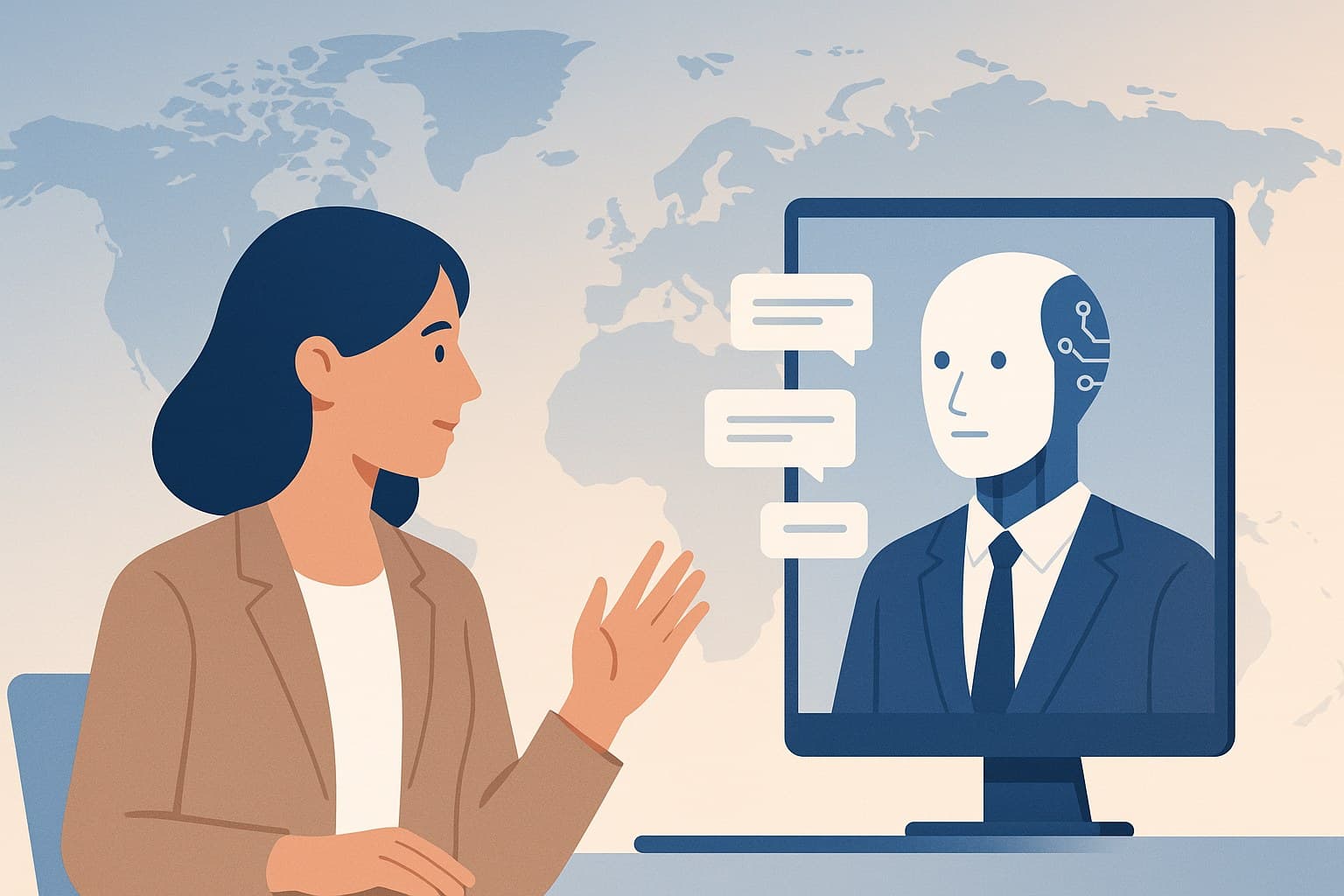
Technology has transformed the landscape of job interviews across industries. Video interviews have become a staple, allowing companies to streamline the recruitment process and access a global talent pool. For candidates, this means being comfortable with video conferencing tools and ensuring a professional virtual presence.
In tech and IT industries, technical assessments have been digitized, with platforms offering real-time coding challenges. These platforms not only test technical skills but also the ability to perform under pressure. For roles in customer service or sales, artificial intelligence (AI) driven interviews might evaluate a candidate's communication skills and emotional intelligence.
The key takeaway for job seekers is to familiarize themselves with the technological tools and platforms used in their target industry. Practicing with these tools can help reduce stress and increase performance during the actual interview.
Preparing for Industry-Specific Interviews
Preparation is the cornerstone of successful interviews, and it must be tailored to the specific demands of each industry. For instance, in the healthcare sector, interviews often focus on ethics, patient care, and regulatory knowledge. Candidates should be ready to discuss scenarios involving patient interactions and ethical dilemmas.
In contrast, candidates in the tech industry should prepare for technical questions and coding tests. This might involve taking online courses, practicing coding challenges, or contributing to open-source projects to sharpen their skills.
For creative roles, building a strong portfolio is essential. This should not only showcase past work but also demonstrate a range of skills and creativity. Mock interviews can also be beneficial, allowing candidates to practice articulating their thoughts clearly and confidently.
Adapting to Changing Interview Trends
The job market is dynamic, and interview processes are continually evolving. As industries adapt to new technologies and market demands, so too must job seekers. Staying informed about the latest trends in your industry can provide a competitive edge.
For example, the growing emphasis on soft skills means that candidates in all industries should be prepared to discuss their teamwork, adaptability, and problem-solving abilities. Networking and informational interviews can also offer valuable insights into industry trends and expectations.
Furthermore, as more companies prioritize diversity and inclusion, candidates should be prepared to discuss how they can contribute to a diverse workplace. Understanding these broader trends can help you align your skills and experiences with what employers are looking for.
Conclusion
In conclusion, understanding the differences in interview processes by industry is a critical step for any job seeker looking to succeed in today's competitive job market. By tailoring your preparation to the specific demands and expectations of your target industry, you can present yourself as a well-prepared and informed candidate. Whether it's mastering technical skills, refining your portfolio, or staying updated on industry trends, proactive preparation can set you apart from the competition. As you navigate your career path, consider how you can leverage your unique skills and experiences to meet the evolving needs of the industries you're interested in. What steps will you take today to prepare for your next opportunity?
Frequently Asked Questions
Key questions often raised by business leaders and HR teams:
Why is it important to understand interview processes by industry?
Understanding industry-specific interview processes helps you tailor your preparation and increases your chances of success.
What common interview formats can I expect?
Most interviews start with a screening, followed by multiple rounds, including behavioral interviews that assess past experiences.
How has technology changed the interview process?
Technology has introduced video interviews and online assessments, making it essential for candidates to be comfortable with digital tools.
What should I focus on when preparing for an interview?
Preparation should be tailored to the specific demands of the industry, including technical skills for tech roles or portfolio presentations for creative positions.
How can I stay updated on interview trends?
Networking, informational interviews, and following industry news can help you stay informed about changing interview trends and employer expectations.