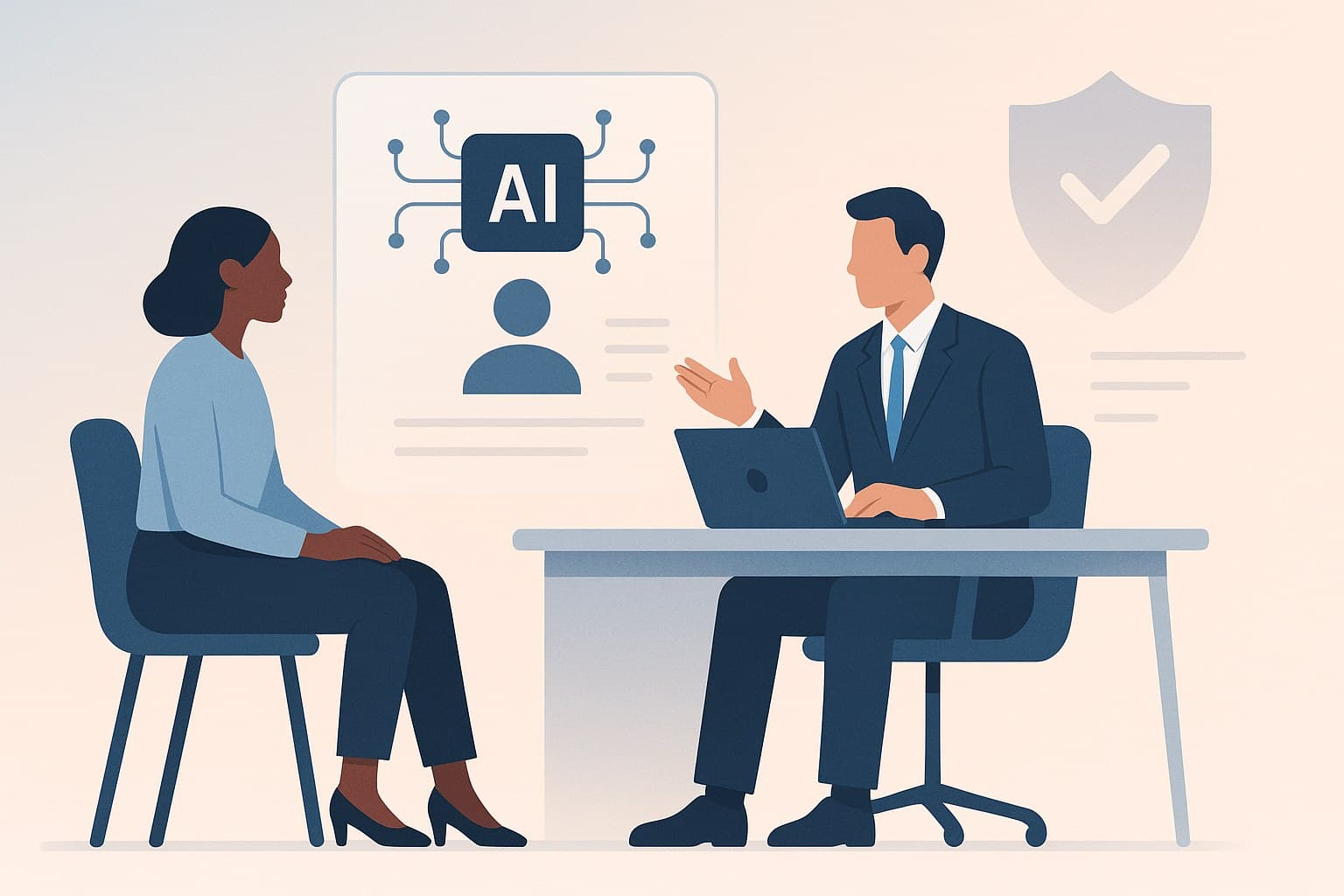
Interview Video Retention Clauses: A Comprehensive Guide
In today's digital age, video has become an increasingly important tool in the hiring process. With the rise of virtual interviews and remote hiring, companies are relying more and more on video interviews to evaluate candidates. However, with the use of video comes the question of data retention and privacy. This is where interview video retention clauses come into play.
What are Interview Video Retention Clauses?
Interview video retention clauses are provisions in legal agreements between employers and video interview platforms that outline how long the interview videos will be stored and how they can be used. These clauses are becoming increasingly important as companies are facing stricter regulations and concerns over data privacy.
The Importance of Data Retention
Data retention is the process of storing data for a specific period of time. In the context of video interviews, this means keeping the recorded interviews on file for a certain amount of time. This is important for several reasons:
- Compliance: Many countries have regulations on how long data can be stored, and failure to comply with these regulations can result in hefty fines.
- Fairness: Retaining interview videos allows for transparency and fairness in the hiring process. If a candidate believes they were unfairly rejected, the video can be reviewed to ensure that the decision was made based on objective criteria.
- Record-keeping: Interview videos can serve as a record of the hiring process, providing evidence in case of any legal disputes.
Can You Record Job Interviews Legally?
The short answer is yes, but with certain conditions. In most cases, employers can legally record job interviews as long as they inform the candidate beforehand and obtain their consent. However, there are some exceptions to this rule. For example, in some countries, it is illegal to record audio without the consent of all parties involved. Additionally, if the candidate has a disability, recording the interview may be considered discriminatory.
To ensure compliance with the laws and regulations in your country, it is important to seek legal advice and have a clear understanding of your rights and obligations.
Why Interview Video Retention Clauses are Important
With the increasing use of video interviews, it is important for companies to have a clear understanding of how the interview videos will be stored and used. This is where interview video retention clauses come into play. These clauses not only protect the privacy of candidates, but also provide guidelines for employers to follow in regards to data retention.
Additionally, interview video retention clauses also protect companies from potential legal issues. By clearly outlining the length of time the videos will be stored and how they can be used, companies can ensure that they are complying with regulations and avoiding any potential lawsuits.
How to Create Effective Interview Video Retention Clauses
When creating interview video retention clauses, it is important to consider the following factors:
-
Compliance with laws and regulations: As mentioned earlier, it is important to seek legal advice to ensure that the clauses comply with all applicable laws and regulations.
-
Length of time for data retention: The length of time interview videos should be stored will vary depending on the country and industry. It is important to consider these factors and create a reasonable timeframe for data retention.
-
Data security: It is crucial to have measures in place to protect the data collected from video interviews. This can include encryption, access controls, and regular backups.
-
Consent and transparency: The clauses should clearly state that the candidate's consent is required for the recording and storage of their video interview. Employers should also provide candidates with information on how their data will be used and stored.
-
Data deletion: The clauses should also outline the process for deleting data once the retention period has ended. This can include data destruction or anonymization.
MIND Interview: A Solution for Effective Data Retention
One platform that offers a solution for effective data retention is MIND Interview. This enterprise-grade AI recruitment platform provides AI resume analysis and structured asynchronous AI video interviews that cut down hiring time and raise match quality. Under AI Verify governance, MIND Interview offers features such as 24/7 asynchronous AI video interviews with scoring on expression, tone, logic, and structure, as well as visualized candidate reports and one-click report translation for multilingual hiring teams.
Conclusion
In conclusion, interview video retention clauses are crucial for protecting the privacy of candidates and ensuring compliance with laws and regulations. By creating effective clauses and utilizing platforms like MIND Interview, companies can streamline their hiring process while also safeguarding against potential legal issues. It is important for companies to stay up-to-date on the latest regulations and seek legal advice to ensure their interview video retention clauses are effective and compliant.
Frequently Asked Questions
Key questions often raised by business leaders and HR teams:
What are interview video retention clauses?
Interview video retention clauses are provisions that specify how long recorded interview videos will be stored and how they can be used.
Can employers legally record job interviews?
Yes, employers can record job interviews if they inform the candidate and obtain their consent, although there are exceptions based on local laws.
Why are video retention clauses important?
They protect candidate privacy, ensure compliance with regulations, and provide guidelines for data retention and usage.
How long should interview videos be retained?
The retention period can vary based on country and industry regulations, so it's important to establish a reasonable timeframe.
What measures should be taken for data security?
Employers should implement encryption, access controls, and regular backups to protect the data collected from video interviews.