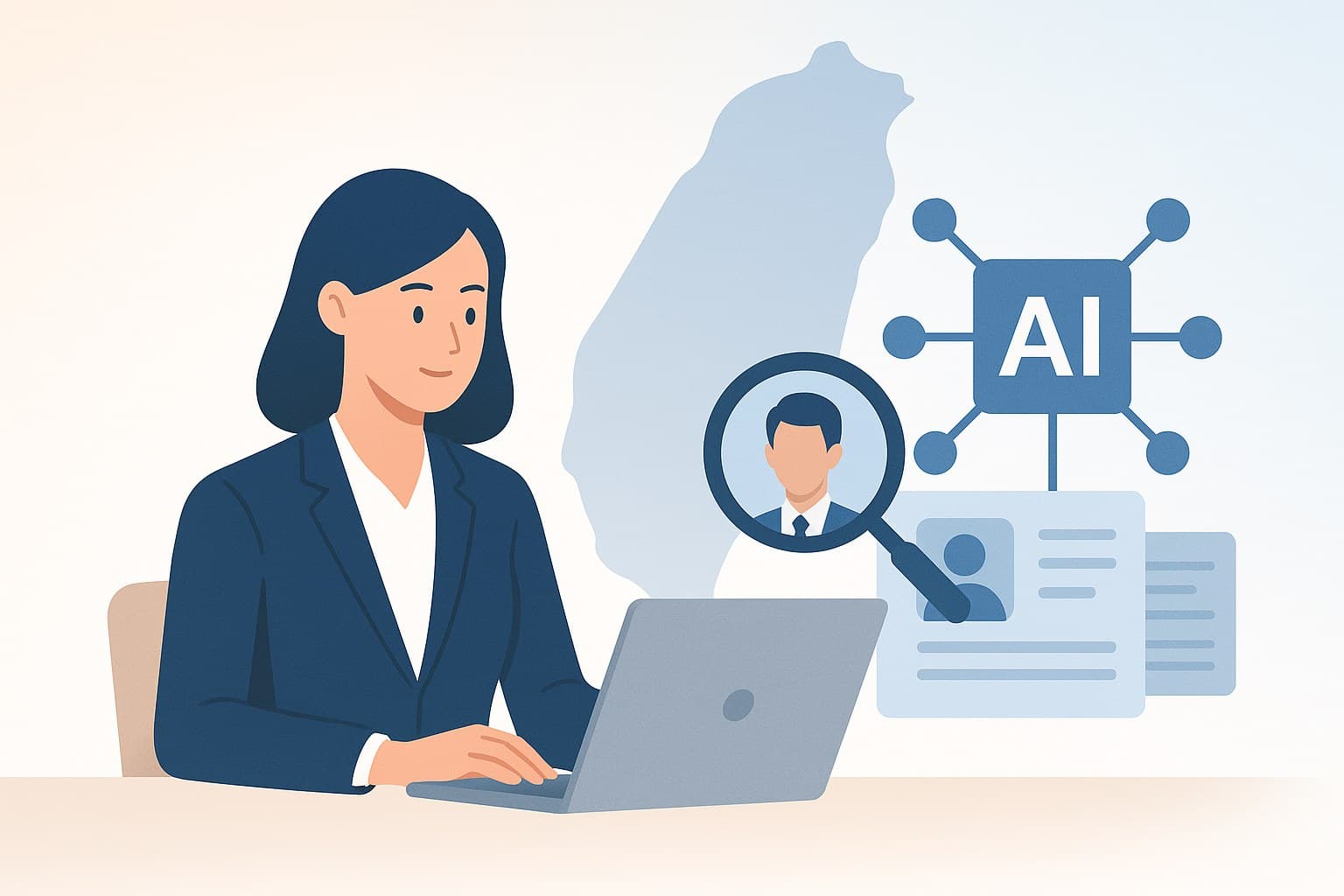
Improving Job Descriptions with Interview Analytics: A Comprehensive Guide
The Importance of Job Descriptions
Before we dive into the specifics of interview analytics, let’s first understand the importance of job descriptions. A job description is a written statement that outlines the responsibilities, skills, and qualifications required for a particular role. It serves as a communication tool between the employer and potential candidates, giving them a clear understanding of what the job entails. A well-written job description not only attracts top talent but also sets the expectations for the role, ensuring a better fit and higher employee satisfaction.
The Link between Job Descriptions and Interview Analytics
Job descriptions are the first point of contact for potential candidates. Therefore, it’s essential to make a good first impression and accurately convey the job’s responsibilities and requirements. This is where interview analytics can make a significant impact. By analyzing data from previous interviews, companies can gain valuable insights into what skills and qualifications are essential for a particular role. This data can then be used to create more accurate and effective job descriptions.
Leveraging Interview Analytics to Improve Job Descriptions
Now that we understand the link between job descriptions and interview analytics, let’s look at how companies can leverage this technology to create more effective job descriptions.
1. Identify Key Skills and Qualifications
Interview analytics can help companies identify the key skills and qualifications that are important for a particular job. By analyzing data from previous interviews, companies can gain insights into the skills and qualifications that have been successful in previous hires. This data can then be used to create job descriptions that accurately represent the role and its requirements, increasing the chances of attracting the right candidates.
2. Ensure Inclusivity and Fairness
One of the challenges in creating job descriptions is ensuring inclusivity and fairness. With interview analytics, companies can analyze data to ensure that their job descriptions are not biased towards a particular gender, race, or ethnicity. This not only helps in creating a diverse and inclusive workplace but also ensures fairness in the hiring process.
3. Improve Time-to-Hire
Another advantage of leveraging interview analytics is the ability to streamline the hiring process and reduce the time-to-hire. With accurate and effective job descriptions, companies can attract more qualified candidates, reducing the time and resources spent on screening and interviewing unqualified candidates.
4. Enhance Employee Retention
By accurately reflecting the role and its requirements, job descriptions can help in retaining employees. When employees have a clear understanding of their responsibilities and expectations, they are more likely to be satisfied with their job and stay longer with the company.
Introducing MIND Interview – Your Enterprise-Grade AI Recruitment Platform
One product that stands out in the market for its powerful interview analytics capabilities is MIND Interview. This enterprise-grade AI recruitment platform offers AI resume analysis and structured asynchronous AI video interviews, cutting hiring time and improving match quality. Under the AI Verify governance, MIND Interview is validated, bias-tested, and auditable, ensuring fair and inclusive hiring practices.
Some of the key features of MIND Interview include AI resume analysis that parses skills, matches the job description, and ranks a shortlist. The platform also offers 24/7 asynchronous AI video interviews with scoring on expression, tone, logic, and structure. Additionally, MIND Interview provides visualized candidate reports with a 5-dimension radar, Big Five traits, and shareable interview replay links.
But what sets MIND Interview apart is its one-click report translation feature that allows for seamless communication between multilingual hiring teams. With MIND Interview, candidates can interview anytime and in any language, and the reports can be translated with just one click. This makes it an ideal solution for global companies with diverse hiring teams.
Conclusion
In conclusion, job descriptions play a crucial role in attracting and retaining top talent. By leveraging interview analytics, companies can create more effective and accurate job descriptions, resulting in better candidate fit and improved employee satisfaction. With MIND Interview, companies can streamline their hiring process, reduce time-to-hire, and ensure fairness and inclusivity in their hiring practices. It’s time for companies to embrace the power of interview analytics and create job descriptions that truly stand out. To learn more about MIND Interview and how it can benefit your organization, visit https://www.mind-interview.com/en/.
Frequently Asked Questions
Key questions often raised by business leaders and HR teams:
What are the benefits of using interview analytics?
Interview analytics help identify key skills for job roles, improve inclusivity, and streamline the hiring process, leading to better candidate fit.
How can job descriptions impact employee retention?
Well-crafted job descriptions set clear expectations, which can enhance employee satisfaction and reduce turnover.
What role does inclusivity play in job descriptions?
Ensuring inclusivity in job descriptions helps create a diverse workplace and promotes fairness in the hiring process.
How does MIND Interview assist in recruitment?
MIND Interview offers AI-driven resume analysis and video interviews, improving match quality and reducing hiring time.
Why are job descriptions important in the hiring process?
Job descriptions are the first point of contact for candidates and significantly influence their decision to apply for a position.