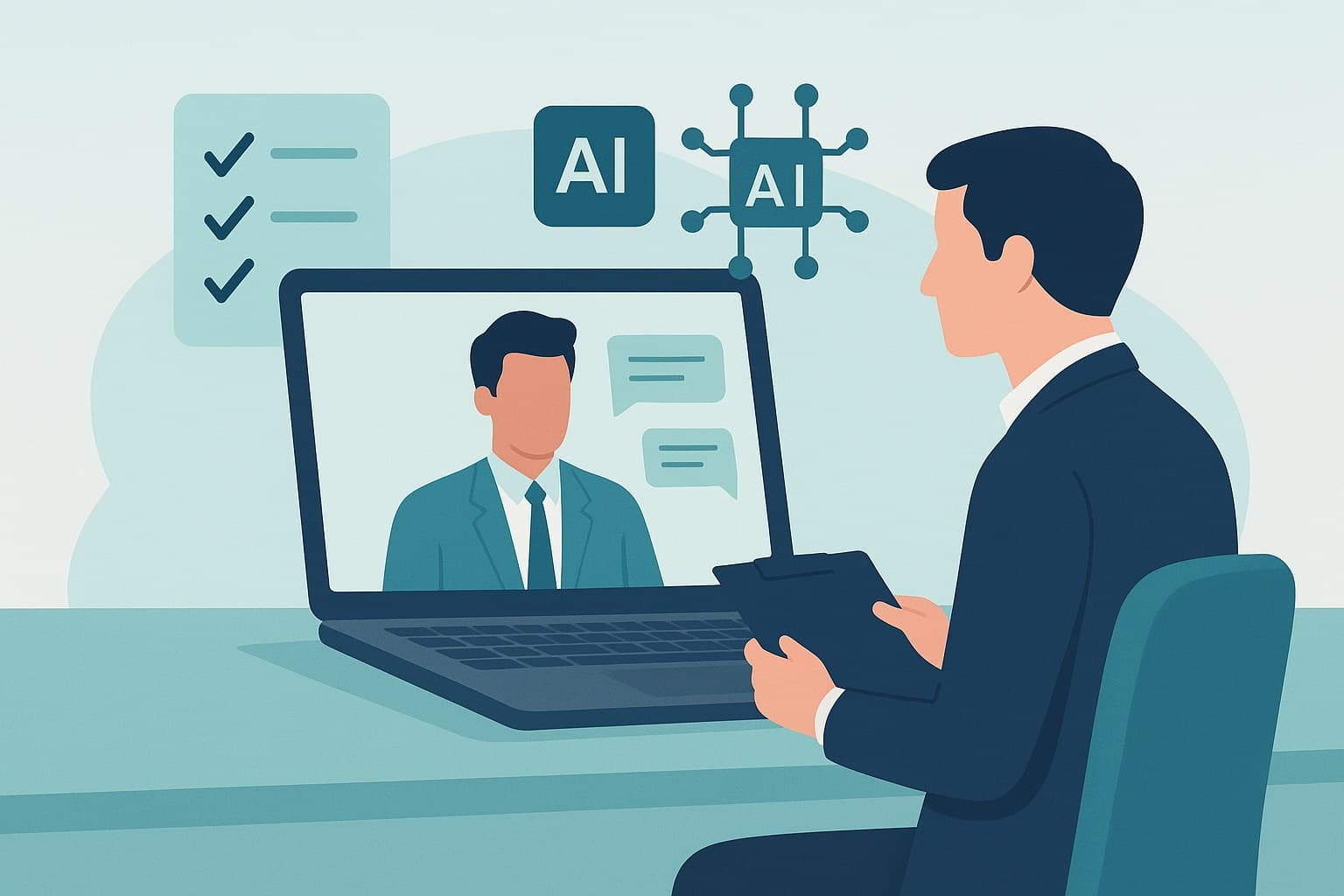
The Ultimate Job Interview Prep Checklist: Your Path to Success
Standing out in a job interview is crucial in today's competitive job market. Navigating through various expectations and questions can be daunting, but preparation is key. With our comprehensive job interview prep checklist, you'll be equipped with the strategies and insights necessary to ace your next interview. Dive in to discover actionable steps to make a lasting impression and secure the job you’ve been eyeing.
Understanding the Importance of Interview Preparation
Interview preparation can be the difference between landing your dream job and continuing your job search. Preparation demonstrates professionalism and a genuine interest in the position. Employers are looking for candidates who not only meet the qualifications but also exhibit enthusiasm and readiness to take on the role. Thorough preparation allows you to articulate your skills effectively and align them with the job's requirements.
A well-prepared candidate can confidently discuss their experiences and how they relate to the job. Preparation also helps reduce anxiety, allowing you to focus on conveying your qualifications and engaging with the interviewer. Understanding the company's culture and values through research can also provide insight into how you can fit into the organization. This knowledge can guide your responses and demonstrate that you are a well-rounded candidate.
Common Challenges and Misconceptions in Interview Prep
Many job seekers believe that possessing the right qualifications is enough to secure a position. However, this misconception often leads to inadequate preparation. A common challenge is underestimating the importance of soft skills. While technical skills are essential, employers value communication, teamwork, and problem-solving abilities just as much.
Another challenge is the failure to anticipate behavioral interview questions. These questions require candidates to provide examples of past experiences to demonstrate their competencies. Without preparation, candidates may struggle to recall relevant instances, leading to vague or incomplete answers.
Additionally, some candidates overlook the importance of practicing their responses. Practicing aloud, either alone or with a partner, can help refine your answers and ensure clarity and conciseness. It’s not just about what you say, but how you say it. Non-verbal communication, such as eye contact and body language, also plays a crucial role in making a positive impression.
Key Elements of an Effective Prep Checklist
Creating an effective job interview prep checklist involves several key elements. First, conduct thorough research on the company. Understand its products, services, culture, and recent developments. This information will help you tailor your responses and demonstrate your interest in the company.
Next, review the job description carefully. Identify the skills and experiences that the employer values most. Prepare examples from your past experiences that showcase these skills. Use the STAR method (Situation, Task, Action, Result) to structure your responses, ensuring you provide clear and concise answers.
Additionally, prepare for common interview questions. These might include inquiries about your strengths and weaknesses, career goals, and reasons for wanting to join the company. Having well-thought-out answers to these questions can boost your confidence.
Don’t forget to prepare questions for the interviewer. Thoughtful questions can demonstrate your interest in the role and help you assess if the company is the right fit for you. Consider asking about team dynamics, growth opportunities, or company challenges.
Practicing Mock Interviews: A Crucial Step
Mock interviews are an invaluable tool in your preparation arsenal. They simulate the interview environment, allowing you to practice your responses and receive feedback. This practice can highlight areas where you may need improvement, such as clarity, confidence, or body language.
In a mock interview, try to mimic the actual interview setting as closely as possible. Dress in professional attire and conduct the interview in a quiet, distraction-free environment. Use a webcam to record yourself if possible, allowing you to review your performance and make necessary adjustments.
Seek feedback from a trusted friend, mentor, or career coach. They can provide insights into how you present yourself and suggest improvements. Practicing with someone else also helps you get comfortable with the interview format and the flow of conversation.
Navigating Behavioral and Situational Questions
Behavioral and situational questions are designed to assess how you handle various scenarios in the workplace. Preparing for these questions involves reflecting on your past experiences and identifying situations that highlight your skills and accomplishments.
For behavioral questions, focus on your past actions and the results you achieved. Use the STAR method to structure your responses. For example, if asked about a time you faced a challenge at work, describe the situation, the task at hand, the actions you took, and the outcome.
Situational questions, on the other hand, require you to demonstrate how you would handle hypothetical situations. These questions test your problem-solving and critical-thinking skills. Approach these questions by outlining your thought process and explaining how you would arrive at a solution.
Avoiding Common Pitfalls and Traps
Even well-prepared candidates can fall into common interview traps. One such trap is speaking negatively about previous employers or colleagues. This can create a negative impression and raise concerns about your professionalism. Instead, focus on what you learned from past experiences and how they have prepared you for the new role.
Another pitfall is failing to ask questions. When given the opportunity, asking insightful questions can demonstrate your interest and enthusiasm for the role. It can also provide valuable insights into the company culture and expectations.
Lastly, ensure you follow up with a thank-you note after the interview. This small gesture reinforces your interest in the position and leaves a positive impression on the interviewer. A well-crafted thank-you note should express gratitude for the opportunity and briefly reiterate your enthusiasm for the role.
Conclusion
Preparation is your best ally in the job interview process. By following a structured checklist, you can effectively showcase your qualifications, demonstrate your enthusiasm, and leave a lasting impression. Remember, every interview is an opportunity to learn and improve. Armed with the strategies and insights outlined in this checklist, you are well on your way to acing your next interview. Now, are you ready to take the next step in your career journey?
Frequently Asked Questions
Key questions often raised by business leaders and HR teams:
Why is interview preparation important?
Interview preparation helps you articulate your skills and reduces anxiety, allowing you to focus on engaging with the interviewer.
What should I include in my job interview prep checklist?
Include company research, job description review, common interview questions, and prepare thoughtful questions for the interviewer.
How can I practice for behavioral interview questions?
Use the STAR method to structure your responses, focusing on past experiences that highlight your skills and accomplishments.
What are common mistakes to avoid during an interview?
Avoid speaking negatively about past employers and failing to ask insightful questions, as these can create a negative impression.