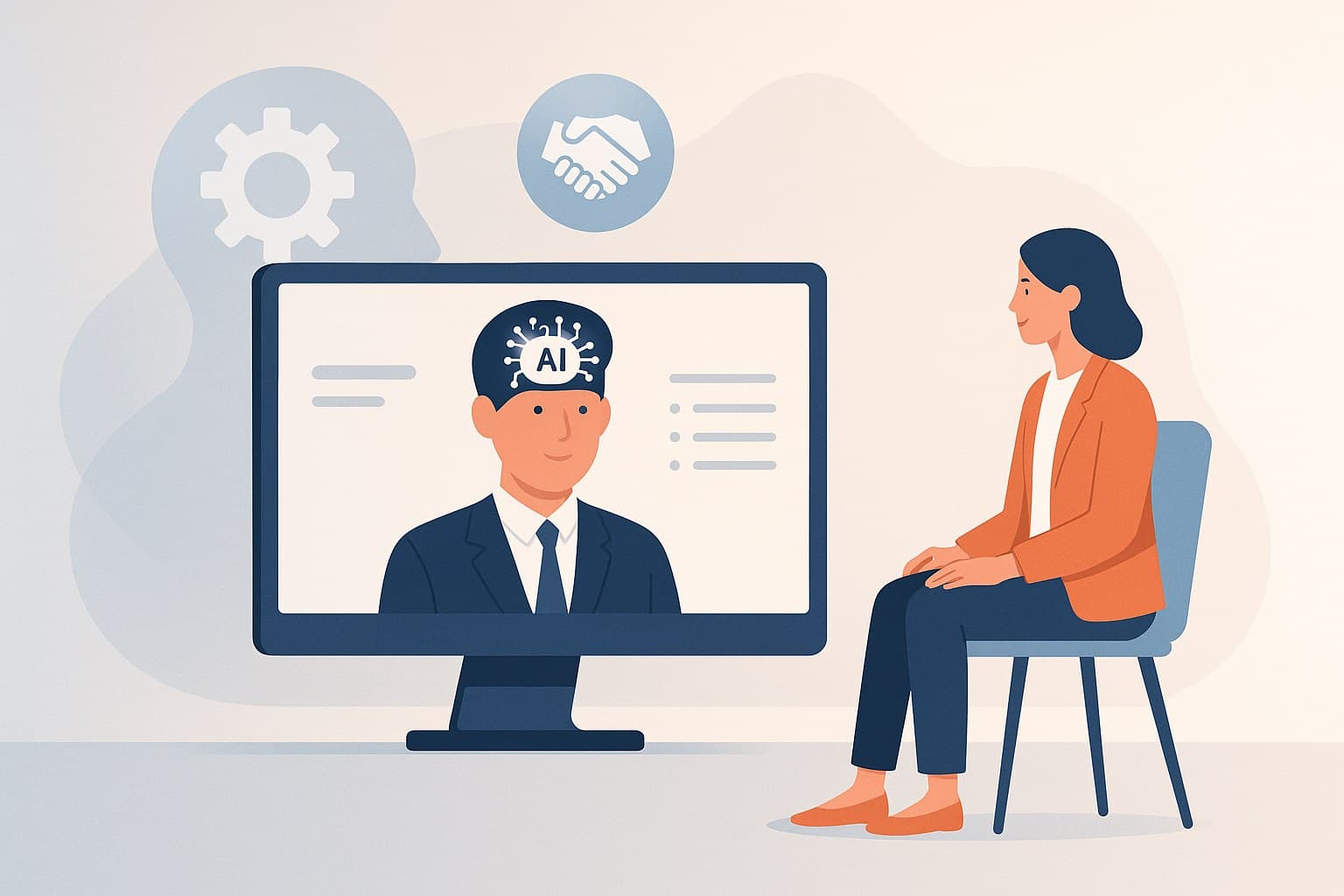
Managing Interview Anxiety: Strategies for Success
Job interviews can be daunting for many job seekers, especially recent graduates and those transitioning to new careers. Managing interview anxiety is crucial to ensure you present your best self. From sweaty palms to racing hearts, the physical manifestations of anxiety can be overwhelming. However, with the right strategies, you can navigate these challenges and excel in your interviews.
Why Managing Interview Anxiety is Important
Understanding the importance of managing interview anxiety is the first step in overcoming it. Interviews are often the final hurdle in securing a job, and the impression you leave can make or break your chances. Anxiety can cloud your thinking, affect your communication, and ultimately impact your ability to connect with the interviewer.
Anxiety during an interview can manifest in several ways, such as forgetting key points you wanted to mention, stumbling over words, or appearing unconfident. These symptoms can hinder your ability to effectively communicate your skills and experiences. By managing anxiety, you ensure that your true capabilities shine through, increasing your chances of success.
Moreover, employers are often looking for candidates who can handle pressure well. Demonstrating composure during an interview indicates that you can manage stress in the workplace, a valuable trait for any role. Therefore, mastering anxiety management not only helps you perform better in interviews but also showcases your potential as a resilient employee.
Common Causes of Interview Anxiety
Identifying the common causes of interview anxiety can help you address them more effectively. One major cause is the fear of the unknown. Not knowing what questions will be asked or how the interviewer will perceive you can lead to heightened stress levels.
Another common cause is the pressure to perform. Many candidates feel that their entire future hinges on the outcome of a single interview. This mindset can amplify anxiety, making it difficult to focus on the present moment.
Past negative experiences can also contribute to interview anxiety. If you've had a bad interview in the past, the memory of that experience can trigger anxiety in future situations. Additionally, self-doubt and imposter syndrome can play significant roles. You might question whether you're truly qualified for the position or worry that you'll be exposed as a fraud.
Understanding these causes allows you to develop targeted strategies to combat anxiety. For example, addressing the fear of the unknown through thorough preparation can greatly reduce stress levels.
Effective Preparation Techniques
Preparation is one of the most effective ways to manage interview anxiety. By familiarizing yourself with the company and potential questions, you reduce uncertainty and build confidence.
Start by researching the company thoroughly. Understand its mission, values, and culture. This knowledge not only helps you tailor your responses but also gives you a sense of familiarity, reducing anxiety.
Practice common interview questions and formulate concise, impactful answers. Consider utilizing the STAR method (Situation, Task, Action, Result) to structure your responses. This method helps you convey experiences clearly and effectively.
Conduct mock interviews with a friend or mentor. This practice helps simulate the interview environment, allowing you to gain comfort and receive constructive feedback. Additionally, recording yourself during these sessions can provide insights into your body language and communication style.
Another vital preparation strategy is to plan your journey to the interview location. Arriving late can exacerbate anxiety, so ensure you know the route and have a backup plan in case of delays. By controlling these variables, you minimize stressors that can trigger anxiety.
Techniques for Maintaining Composure During the Interview
Maintaining composure during the interview is crucial for managing anxiety and making a positive impression. One effective technique is controlled breathing. Deep, slow breaths can calm your nervous system and help you regain focus.
Mindfulness techniques can also be beneficial. Being present in the moment and focusing on your breath or a specific object can prevent your mind from spiraling into anxiety. This practice helps you maintain clarity and respond thoughtfully to questions.
Body language plays a significant role in conveying confidence. Maintain eye contact, sit up straight, and use deliberate gestures. These actions not only project confidence to the interviewer but also help reinforce your own sense of self-assurance.
If you find yourself losing composure, it's okay to pause and collect your thoughts. Interviewers appreciate candidates who take the time to provide thoughtful answers. Additionally, if you don't understand a question, don't hesitate to ask for clarification. This approach shows that you're engaged and committed to providing accurate responses.
How to Present Your Best Self
Presenting your best self involves more than just answering questions effectively; it's about showcasing your unique strengths and personality. Start by aligning your skills and experiences with the job requirements. Highlight specific achievements that demonstrate your ability to excel in the role.
Authenticity is key to making a memorable impression. Be genuine in your responses and let your personality shine through. Employers are not only looking for skilled candidates but also for individuals who fit well with their team culture.
Confidence is attractive to employers, but it's important to strike a balance. Overconfidence can come off as arrogance, while underconfidence can make you seem unsure of your abilities. Aim for a confident yet humble demeanor.
Storytelling is a powerful tool for engaging interviewers. Share experiences that illustrate your problem-solving skills, leadership qualities, and ability to overcome challenges. These stories make your qualifications tangible and memorable.
Navigating Common Interview Pitfalls
Awareness of common interview pitfalls can help you avoid them and keep anxiety at bay. One common mistake is speaking negatively about previous employers. This can create a negative impression and raise concerns about your professionalism.
Another pitfall is failing to ask questions at the end of the interview. This opportunity allows you to demonstrate your interest in the company and the role. Prepare insightful questions that show your enthusiasm and understanding of the organization.
Avoid focusing solely on yourself during the interview. While it's important to highlight your skills, also consider how you can contribute to the company's success. This perspective shows that you're a team player and invested in the organization's goals.
Finally, be mindful of your nonverbal cues. Nervous habits like fidgeting or avoiding eye contact can detract from your message. Practice maintaining open body language and use gestures that complement your verbal communication.
Conclusion
Managing interview anxiety is a skill that can significantly impact your career trajectory. By understanding its causes, preparing effectively, and utilizing techniques to maintain composure, you can present your best self and make a lasting impression. Remember, interviews are not just about showcasing your qualifications but also about finding a mutual fit between you and the employer. As you prepare for your next interview, consider: How can you use these strategies to not only manage anxiety but also enhance your overall performance? Start implementing these tips today and watch your confidence—and success—grow.
Frequently Asked Questions
Key questions often raised by business leaders and HR teams:
What are some common causes of interview anxiety?
Common causes include fear of the unknown, pressure to perform, and past negative experiences. Self-doubt and imposter syndrome can also contribute to anxiety.
How can I prepare effectively for an interview?
Research the company, practice common interview questions, and conduct mock interviews. Familiarity with the company and preparation can significantly reduce anxiety.
What techniques can help me stay calm during an interview?
Controlled breathing and mindfulness techniques can help calm your nerves. Additionally, maintaining positive body language can project confidence.
How important is authenticity in an interview?
Authenticity is crucial as it helps you connect with the interviewer. Being genuine allows your personality to shine and makes you memorable.
What should I do if I don't understand a question during the interview?
It's perfectly acceptable to ask for clarification. This shows that you are engaged and committed to providing a thoughtful response.