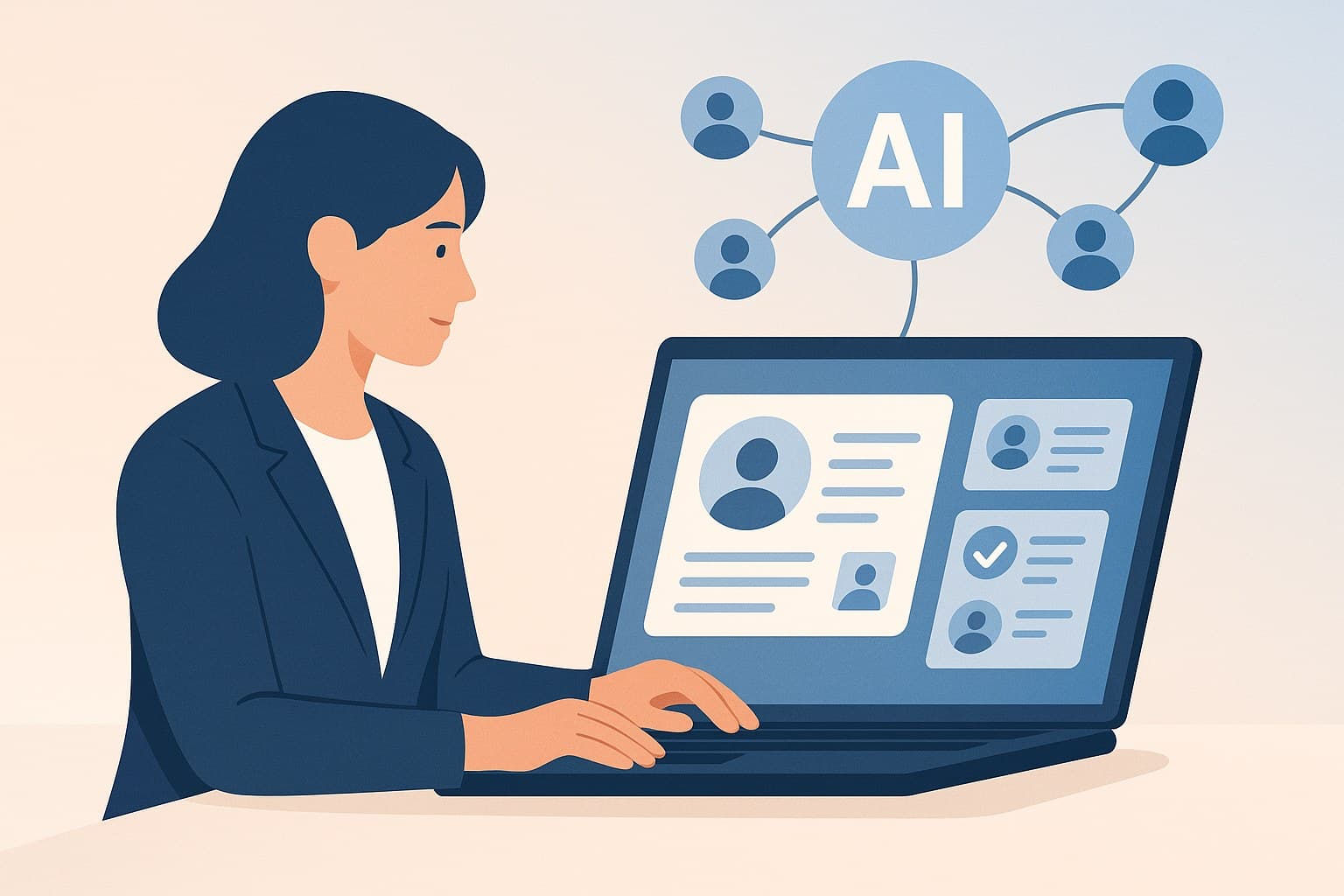
Mastering Assessment Centers: A Guide for Job Seekers
In the competitive world of job hunting, assessment centers have become a pivotal step in the recruitment process for many organizations. They provide a comprehensive evaluation of candidates through a series of tasks and activities designed to simulate job-specific scenarios. Understanding and excelling in these centers can be daunting but crucial for job seekers, career changers, and recent graduates. This guide will explore what assessment centers entail, why they are important, common challenges candidates face, and strategies for success.
Why Assessment Centers Matter
Assessment centers are increasingly popular because they offer a multifaceted view of a candidate's abilities beyond traditional interviews. They allow employers to evaluate a candidate's performance in real-time scenarios that mirror actual job tasks. This approach helps in assessing skills like teamwork, leadership, problem-solving, and communication more effectively than a standard interview could.
For job seekers, understanding the importance of assessment centers is crucial. They are not just a hurdle but an opportunity to showcase your skills and potential in a controlled environment. Employers are looking for candidates who can not only talk about their abilities but also demonstrate them. Therefore, excelling in an assessment center can significantly enhance your chances of landing the job.
Common Misconceptions and Challenges
Despite their advantages, assessment centers are often misunderstood. One common misconception is that they are solely focused on testing technical skills. While technical abilities are important, assessment centers are primarily designed to evaluate a broad range of competencies, including interpersonal skills and decision-making capabilities.
Candidates often face challenges such as performance anxiety and the pressure to outperform peers. The group dynamics can be intimidating, especially for those who are introverted or less confident in a competitive setting. Additionally, the diverse range of activities—from group discussions to role-playing exercises—can be overwhelming if you are unprepared.
Understanding the Core Concepts
To succeed in assessment centers, it is essential to grasp the core concepts they are built upon. These centers typically consist of various exercises, including:
- Group Exercises: Designed to assess teamwork, communication, and leadership.
- Role Plays: Simulate real-life scenarios to evaluate problem-solving and interpersonal skills.
- Presentations: Test your ability to articulate ideas clearly and persuasively.
- In-Tray Exercises: Assess organizational and prioritization skills through simulated work tasks.
Each exercise is crafted to reveal different aspects of your skills and personality. Understanding what each exercise aims to assess can help you perform better.
Strategies for Success
Preparation is key to excelling in assessment centers. Here are some strategies to help you succeed:
-
Research the Role and Company: Understand the skills and competencies the employer values. Tailor your preparation to align with these requirements.
-
Practice Common Exercises: Familiarize yourself with the types of tasks you might encounter. Practice group discussions and role plays with friends or mentors to gain confidence.
-
Develop Self-Awareness: Reflect on your strengths and weaknesses. This self-awareness will help you present yourself authentically and make improvements where necessary.
-
Stay Calm and Focused: Stress management is crucial. Take deep breaths, stay positive, and focus on the task at hand rather than the competition.
-
Seek Feedback and Improve: After practice sessions, seek constructive feedback. Use this to refine your skills and approach.
Anonymized Scenarios and Common Pitfalls
Consider a mid-level manager at a tech firm who struggled with group exercises due to a tendency to dominate discussions. By practicing active listening and encouraging team contributions, they improved their teamwork skills. This change was crucial in their successful assessment center performance.
Many candidates fall into the trap of trying to stand out excessively, which can come across as overbearing. Instead, focus on demonstrating leadership through collaboration and support. Balance assertiveness with empathy and cooperation.
Conclusion
Assessment centers are an integral part of the modern hiring process, offering a holistic view of a candidate's potential. By understanding what these centers entail and preparing strategically, job seekers can turn this challenging process into an opportunity for success. Remember, the goal is not just to perform well individually but to demonstrate your ability to thrive in a team-oriented environment.
As you prepare for your next assessment center, consider what specific skills and attributes you want to highlight. How can you best demonstrate your fit for the role while remaining authentic? Reflect on these questions as you continue your job search journey.
Frequently Asked Questions
Key questions often raised by business leaders and HR teams:
What are assessment centers?
Assessment centers are a series of tasks and activities used to evaluate candidates' skills in real-time scenarios, simulating job-specific situations.
Why are assessment centers important?
They provide a comprehensive evaluation of a candidate's abilities, allowing employers to assess skills like teamwork, leadership, and problem-solving more effectively than traditional interviews.
How can I prepare for an assessment center?
Research the role, practice common exercises, develop self-awareness, and manage stress to enhance your performance during the assessment.
What common challenges do candidates face in assessment centers?
Candidates often experience performance anxiety and may struggle with group dynamics, especially in competitive settings.
What types of exercises are included in assessment centers?
Common exercises include group discussions, role plays, presentations, and in-tray exercises, each designed to assess different competencies.