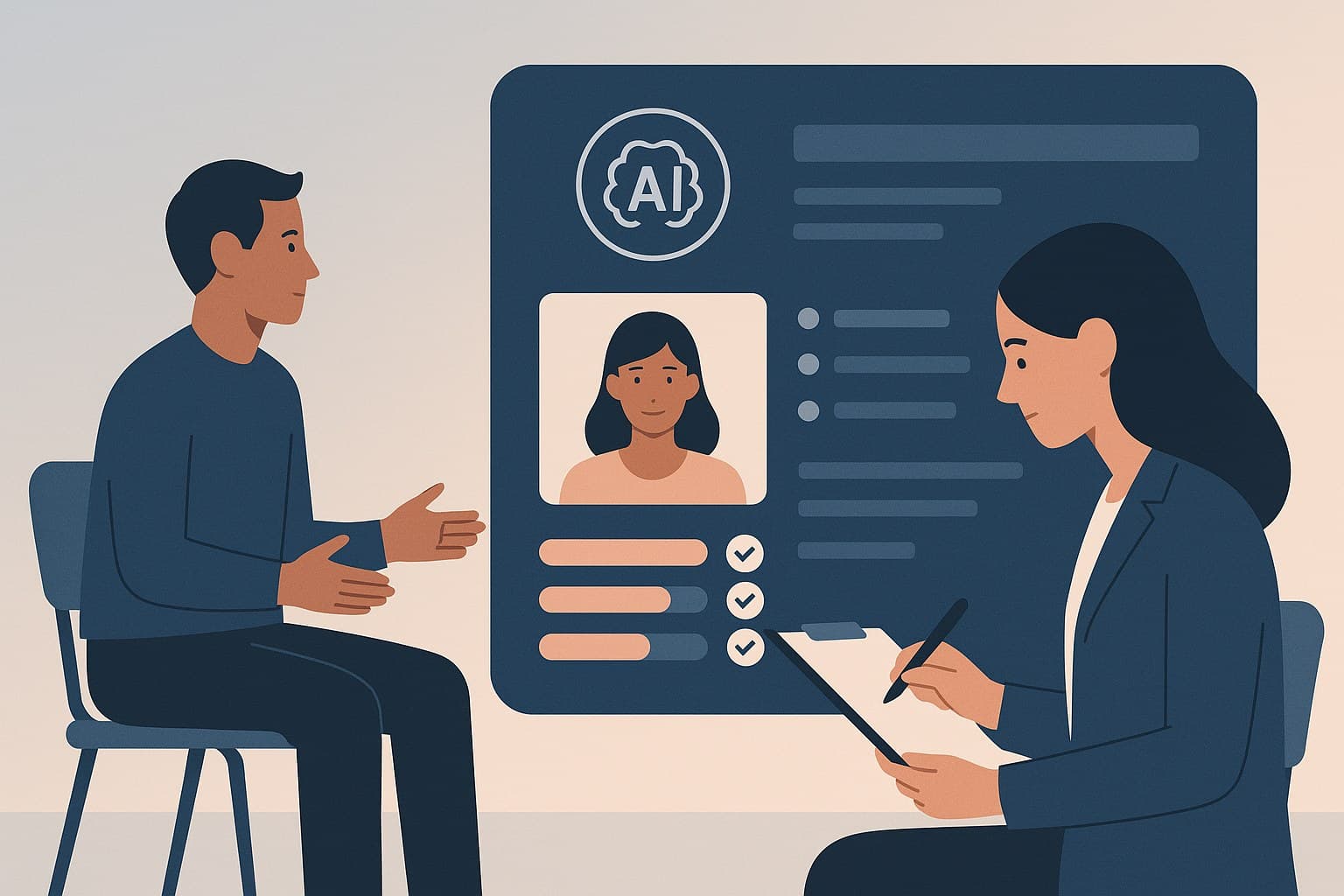
Mastering Difficult Interview Questions: Essential Strategies for Success
Navigating the labyrinth of job interviews can often feel like walking a tightrope, especially when faced with difficult interview questions. These questions are designed to test not only your skills but also your composure and problem-solving abilities. As a job seeker, preparing for these challenges is crucial to securing your desired role. This article will provide you with actionable strategies to confidently handle difficult interview questions, ensuring you stand out as a compelling candidate.
The Importance of Handling Difficult Interview Questions
In today's competitive job market, interviews are a critical step in the hiring process. Employers use interviews to assess candidates' qualifications, fit for the company culture, and ability to handle stress. Difficult interview questions are a common tool used to gauge these factors. They are not just about testing your knowledge but also your ability to think on your feet and communicate effectively.
Understanding why these questions are important can help you prepare better. They offer employers insights into how you handle pressure, solve problems, and whether you can think critically. By mastering the art of handling these questions, you demonstrate your readiness for the challenges of the role you're applying for. This can significantly improve your chances of making a lasting impression and advancing in the hiring process.
Common Difficult Interview Questions and Why They Matter
Difficult interview questions often catch candidates off guard, but they are a staple in interviews for good reason. Here are some common types you might encounter:
-
Behavioral Questions: These questions ask you to provide examples from past experiences to demonstrate your skills and competencies. They often start with phrases like "Tell me about a time when..." and require you to use the STAR method (Situation, Task, Action, Result) to structure your responses.
-
Hypothetical Questions: These questions present you with a scenario that you might face in the role and ask how you would handle it. They assess your problem-solving skills and ability to think critically under pressure.
-
Technical Questions: For roles requiring specific skills, technical questions test your expertise in areas relevant to the job. They can range from coding challenges to case studies.
Understanding the purpose behind these questions can help you prepare more effectively. They are designed to reveal your thought process, creativity, and suitability for the role. Recognizing this will allow you to tailor your responses to showcase your strengths.
Strategies for Answering Behavioral Questions
Behavioral questions are prevalent in interviews because they provide insight into how you have handled situations in the past. A hiring manager at a mid-size tech firm might ask, "Tell me about a time you faced a significant challenge at work and how you overcame it."
To tackle these questions, use the STAR method:
- Situation: Briefly set the context for your story.
- Task: Explain the task or challenge you faced.
- Action: Describe the specific actions you took to address the task.
- Result: Share the outcome of your actions, highlighting any positive impacts.
When preparing for interviews, think of several examples from your past experiences that demonstrate key skills and attributes relevant to the role. Practice telling these stories concisely and clearly, focusing on the actions you took and the results you achieved. This preparation will help you deliver confident and compelling responses during the interview.
Tackling Hypothetical Questions with Confidence
Hypothetical questions can be particularly challenging because they require you to think on your feet. For example, a recruiter might ask, "How would you handle a situation where you are required to complete a project with limited resources and a tight deadline?"
To effectively answer such questions, follow these steps:
- Clarify the Scenario: Ask for additional details if necessary to ensure you understand the scenario fully.
- Outline Your Thought Process: Explain how you would approach the problem, breaking it down into manageable steps.
- Demonstrate Problem-Solving Skills: Highlight your ability to prioritize tasks, allocate resources efficiently, and adapt to changing circumstances.
- Communicate Clearly: Ensure your response is structured and logical, demonstrating your ability to think critically and act decisively.
By practicing this approach, you can demonstrate your strategic thinking and ability to handle complex challenges, qualities that are highly valued by employers.
Preparing for Technical and Role-Specific Questions
Technical questions are designed to test your expertise and knowledge in specific areas related to the job. These might include coding challenges, data analysis tasks, or industry-specific queries. To prepare effectively:
- Review the Job Description: Identify key skills and areas of expertise required for the role.
- Brush Up on Fundamentals: Ensure you have a solid understanding of the foundational knowledge related to your field.
- Practice Problem-Solving: Work through sample problems or case studies that reflect the kinds of challenges you might face in the role.
- Stay Updated: Keep abreast of the latest trends and developments in your industry to demonstrate your ongoing commitment to professional growth.
Preparing in this way will help you approach technical questions with confidence, showcasing your depth of knowledge and ability to apply it effectively.
Avoiding Common Pitfalls in Difficult Interview Questions
Even with preparation, there are common pitfalls to avoid when answering difficult interview questions. Here are some tips to keep in mind:
- Avoid Rambling: Keep your responses concise and focused. Rambling can dilute the impact of your answer and make you appear less confident.
- Stay Positive: Even when discussing challenges or failures, focus on what you learned and how you improved as a result.
- Be Honest: If you don't know the answer to a technical question, it's better to admit it and express a willingness to learn rather than attempt to bluff your way through.
- Practice Active Listening: Ensure you fully understand the question before responding. This will help you provide a relevant and thoughtful answer.
By being mindful of these pitfalls, you can enhance your performance in interviews and leave a positive impression on your interviewers.
Conclusion
Handling difficult interview questions is an essential skill for job seekers aiming to succeed in today's competitive job market. By understanding the purpose of these questions and employing effective strategies to tackle them, you can enhance your interview performance and increase your chances of securing your desired role. Remember to practice, prepare, and stay confident. With these skills in your toolkit, you're well-equipped to navigate the challenging landscape of job interviews. What strategies will you employ to turn difficult questions into opportunities to shine?
Frequently Asked Questions
Key questions often raised by business leaders and HR teams:
What are difficult interview questions?
Difficult interview questions are designed to assess your skills, composure, and problem-solving abilities during a job interview.
How can I prepare for behavioral interview questions?
Use the STAR method to structure your responses, focusing on specific examples from your past experiences.
What should I do if I encounter a hypothetical question?
Clarify the scenario, outline your thought process, and demonstrate your problem-solving skills in your response.
How do I handle technical questions in interviews?
Review the job description, brush up on fundamentals, and practice problem-solving to prepare for technical questions.