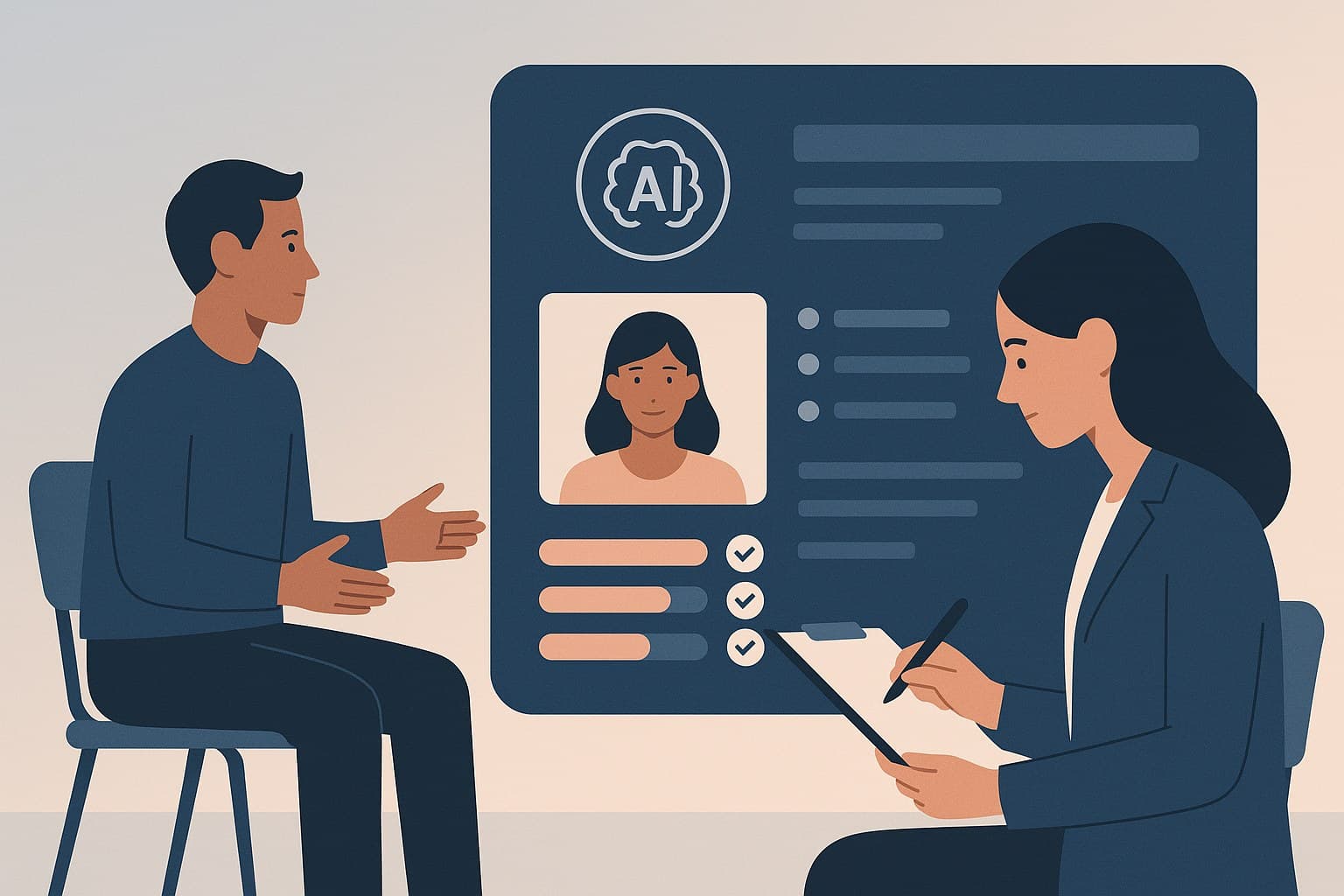
Maximizing Intern Retention: The Role of AI in Cohort Tracking
In today’s fast-paced business environment, organizations are continually seeking ways to optimize their talent acquisition and retention processes. Internships have become a vital part of this strategy, serving as a pipeline for future full-time employees. However, retaining top intern talent can be a challenge. With the integration of AI technologies, companies now have the tools to enhance their intern retention strategies significantly. This article explores how AI-screened intern retention cohort tracking can be a game-changer for corporate decision-makers and HR leaders.
The Challenge of Intern Retention
AI: A Solution to Cohort Tracking
Artificial Intelligence has transformed various facets of business operations, and HR is no exception. AI tools can analyze vast amounts of data quickly and accurately, providing insights that were previously unattainable. When applied to intern cohort tracking, AI can help organizations better understand the factors influencing intern retention and take proactive measures to improve it.
AI-Screening: Selecting the Right Candidates
The first step in improving intern retention is ensuring that the right candidates are selected for the internship program. AI-driven screening tools can assess candidates' qualifications, experiences, and even soft skills by analyzing their resumes, social media profiles, and other digital footprints. These tools use natural language processing and machine learning algorithms to identify candidates who not only fit the job requirements but also align with the company culture.
By selecting candidates who are more likely to thrive in the organization, companies can increase the likelihood of these interns transitioning to full-time roles. AI tools can also reduce unconscious bias in the selection process, leading to a more diverse and inclusive workplace.
Tracking Intern Performance and Engagement
Once the right candidates are selected, AI can continue to play a role in tracking intern performance and engagement throughout the internship period. AI-powered platforms can monitor various metrics, such as project completion rates, feedback from supervisors, and peer interactions. By analyzing these data points, AI can provide HR leaders with insights into how engaged and productive interns are.
These insights allow HR teams to identify potential issues early on. For instance, if an intern is consistently underperforming, it might indicate a mismatch in role expectations or a need for additional support. Addressing these issues promptly can improve the intern's experience and increase the chances of retention.
Personalized Development Plans
AI can also assist in creating personalized development plans for interns. By analyzing data on interns' skills, performance, and career aspirations, AI can suggest tailored learning and development opportunities. This personalized approach ensures that interns receive the support and resources they need to succeed, increasing their satisfaction and loyalty to the company.
Moreover, development plans that align with interns' career goals can make the transition to full-time roles more seamless. When interns see a clear path for growth within the organization, they are more likely to commit to a long-term career there.
Feedback and Communication
Effective communication is crucial for intern retention. AI tools can facilitate better communication between interns and their managers by analyzing communication patterns and providing recommendations. For example, if an intern is not receiving enough feedback, AI can prompt managers to schedule regular check-ins.
AI-driven sentiment analysis can also be used to gauge interns' overall satisfaction and identify potential concerns. By understanding interns' sentiments, HR leaders can make informed decisions to improve the internship experience.
Longitudinal Cohort Tracking
Finally, AI can enhance longitudinal cohort tracking, allowing organizations to follow up with former interns who have transitioned to full-time roles. By maintaining a database of former interns and tracking their career progression, companies can identify trends and patterns in retention.
This cohort tracking can also serve as a feedback loop, providing valuable data on the success of past internships and informing future intern programs. For example, if a particular cohort shows high retention rates, HR leaders can analyze what factors contributed to this success and replicate those strategies in future programs.
Conclusion: A Strategic Advantage
AI-screened intern retention cohort tracking offers a strategic advantage for organizations looking to maximize their talent acquisition and retention efforts. By leveraging AI technologies, companies can select the right candidates, monitor intern performance and engagement, provide personalized development plans, and maintain effective communication.
For corporate decision-makers and HR leaders, adopting AI in intern retention strategies is not just about keeping up with technological trends; it's about gaining a competitive edge in the talent market. As the workforce continues to evolve, organizations that effectively integrate AI into their HR processes will be better positioned to attract, develop, and retain top talent.
In summary, AI is not just a tool but a partner in transforming intern retention strategies. By embracing these technologies, companies can ensure that their internship programs are not only effective but also a key component of their long-term talent management strategy.
Frequently Asked Questions
Key questions often raised by business leaders and HR teams:
How can AI improve intern retention?
AI can analyze data to identify factors influencing intern retention, helping HR leaders implement effective strategies.
What role does cohort tracking play in intern retention?
Cohort tracking allows organizations to monitor the progress of former interns, providing insights that can improve future internship programs.
Why is selecting the right candidates important for retention?
Selecting candidates who align with company culture increases the chances of them transitioning to full-time roles after their internship.
How can personalized development plans help interns?
Personalized development plans ensure interns receive tailored support, enhancing their satisfaction and commitment to the organization.
What is the significance of feedback in intern retention?
Regular feedback helps interns understand their performance, leading to improved engagement and a better overall experience.