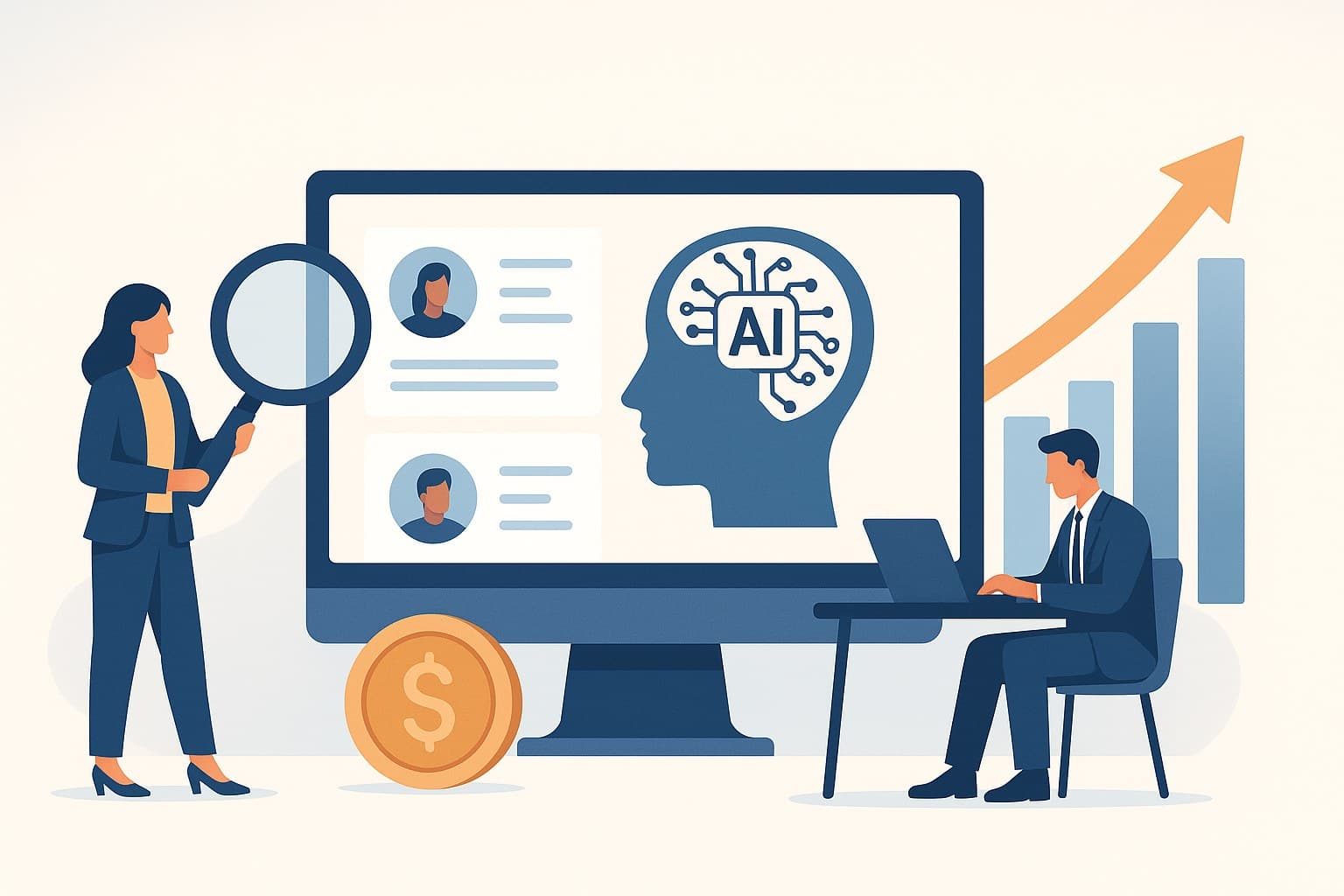
Maximizing ROI in AI Recruitment: A Strategic Guide for Business Decision-Makers and HR Leaders
In today's rapidly evolving business landscape, companies are increasingly leveraging artificial intelligence (AI) to streamline operations and enhance decision-making processes. One area where AI is making significant strides is in recruitment. For decision-makers and HR leaders, understanding the potential return on investment (ROI) of AI in recruitment is crucial for aligning strategies with business goals and ensuring a competitive edge. This article explores the benefits, challenges, and strategies for maximizing ROI in AI-driven recruitment.
The Promise of AI in Recruitment
AI technologies offer transformative potential for recruitment processes. By automating repetitive tasks, enhancing candidate matching, and providing data-driven insights, AI can significantly improve the efficiency and effectiveness of recruitment efforts. Here are a few key benefits:
-
Efficiency and Speed: AI can automate routine tasks such as resume screening, scheduling interviews, and initial candidate outreach. This reduces the time-to-hire and allows HR professionals to focus on more strategic activities.
-
Improved Candidate Matching: AI algorithms can analyze vast amounts of data to match candidates with job requirements more accurately than traditional methods. This ensures a higher quality of hire and reduces turnover rates.
-
Enhanced Candidate Experience: AI-driven chatbots and virtual assistants can engage with candidates 24/7, providing immediate responses to inquiries and guiding them through the application process. This improves the overall candidate experience and employer brand.
-
Data-Driven Insights: AI tools can provide actionable insights into recruitment metrics, such as sourcing effectiveness and candidate engagement. This enables HR leaders to make informed decisions and optimize recruitment strategies.
Evaluating ROI in AI Recruitment
To assess the ROI of AI in recruitment, decision-makers should consider both tangible and intangible benefits. While tangible benefits are easier to quantify, such as cost savings and reduced time-to-hire, intangible benefits like improved candidate experience and enhanced employer branding can also have a significant impact on the organization's bottom line.
Tangible Benefits
-
Cost Savings: By automating manual tasks and reducing the need for third-party recruiting agencies, AI can lead to significant cost reductions. For instance, AI-powered tools can screen thousands of resumes in seconds, eliminating the need for extensive human intervention.
-
Reduced Time-to-Hire: Faster recruitment processes lead to quicker onboarding and reduced vacancy costs. AI's ability to streamline candidate sourcing and screening accelerates the hiring process, allowing companies to fill critical roles more rapidly.
-
Higher Quality of Hire: Improved matching algorithms lead to better-fit candidates, reducing turnover rates and associated costs. Quality hires are more likely to contribute positively to the organization's success and productivity.
Intangible Benefits
-
Enhanced Employer Branding: A seamless and engaging recruitment process reflects positively on the company, attracting top talent and building a strong employer brand. AI tools can ensure consistent communication and a personalized candidate journey, reinforcing the company's reputation.
-
Improved Candidate Engagement: AI-driven interactions, such as chatbots providing real-time updates and feedback, enhance candidate engagement and satisfaction, leading to a more positive perception of the organization.
-
Strategic Decision-Making: The data-driven insights provided by AI tools empower HR leaders to make strategic decisions, optimize recruitment processes, and align hiring strategies with business objectives.
Challenges and Considerations
While AI offers numerous benefits, there are challenges and considerations that decision-makers should address to maximize ROI:
-
Bias and Fairness: AI systems can inadvertently perpetuate biases present in training data. Ensuring fairness and reducing bias in AI algorithms is critical for maintaining diversity and inclusion in the workplace.
-
Integration with Existing Systems: Seamless integration of AI tools with existing HR systems is essential for maximizing efficiency and data accuracy. Decision-makers should evaluate compatibility and ensure smooth implementation.
-
Privacy and Data Security: Handling sensitive candidate data requires robust data security measures. Compliance with data protection regulations is essential to protect both the organization and candidates.
-
Change Management: The adoption of AI in recruitment may require a cultural shift within the organization. Adequate training and change management strategies are necessary to ensure successful implementation and acceptance by HR teams.
Strategies for Maximizing ROI
To fully realize the benefits of AI in recruitment, decision-makers and HR leaders should consider the following strategies:
-
Define Clear Objectives: Establish specific goals for AI implementation in recruitment, such as reducing time-to-hire, improving candidate quality, or enhancing candidate experience. Clear objectives guide the selection and evaluation of AI tools.
-
Choose the Right Tools: Evaluate AI solutions based on their ability to meet the organization's unique needs. Consider factors such as scalability, ease of use, integration capabilities, and vendor support.
-
Monitor and Evaluate: Continuously monitor key performance indicators (KPIs) to assess the impact of AI on recruitment processes. Regular evaluations enable organizations to make data-driven adjustments and improvements.
-
Foster Collaboration: Encourage collaboration between HR, IT, and other relevant departments to ensure successful implementation and integration of AI tools. Cross-functional teams can address technical challenges and optimize processes.
-
Emphasize Ethical AI: Prioritize ethical considerations in AI implementation, focusing on fairness, transparency, and accountability. Regular audits and assessments can help identify and mitigate potential biases.
Conclusion
AI in recruitment presents a significant opportunity for organizations to enhance their hiring processes and achieve substantial ROI. By understanding the benefits and challenges, setting clear objectives, and implementing strategic measures, decision-makers and HR leaders can leverage AI to drive efficiency, improve candidate experiences, and make informed recruitment decisions. As AI technologies continue to evolve, organizations that embrace these innovations will be better positioned to attract top talent and maintain a competitive advantage in the marketplace.
Frequently Asked Questions
Key questions often raised by business leaders and HR teams:
What are the key benefits of using AI in recruitment?
AI in recruitment offers benefits such as improved efficiency, better candidate matching, enhanced candidate experience, and data-driven insights.
How can organizations evaluate the ROI of AI recruitment tools?
Organizations can evaluate ROI by considering both tangible benefits, like cost savings and reduced time-to-hire, and intangible benefits, such as improved candidate experience.
What challenges should be considered when implementing AI in recruitment?
Key challenges include addressing bias in AI algorithms, ensuring integration with existing systems, maintaining data privacy, and managing organizational change.
What strategies can enhance the ROI of AI recruitment?
To enhance ROI, organizations should define clear objectives, choose the right tools, continuously monitor performance, and foster collaboration across departments.