Maximizing ROI with AI Screening: A Comprehensive Guide
In today's hyper-competitive business environment, companies are constantly seeking innovative technologies to improve efficiency and maximize return on investment (ROI). One such advancement is AI screening, a sophisticated technology that leverages artificial intelligence (AI) to streamline processes and enhance decision-making. This article delves into the concept of ROI AI screening, exploring its benefits, applications, and actionable strategies for businesses looking to capitalize on this technology.
Understanding AI Screening
AI screening refers to the use of artificial intelligence algorithms to automate and optimize various screening processes. These processes can range from candidate selection in recruitment to quality control in manufacturing, and even in financial services for fraud detection. By employing AI technologies such as machine learning and natural language processing, AI screening systems can analyze large datasets with speed and precision, providing valuable insights that enhance decision-making.
The Importance of ROI in AI Screening
Measuring the ROI of AI screening is crucial for businesses to ensure that their investment in technology is yielding the desired results. ROI in this context refers to the financial return a company can expect from its investment in AI screening technologies, relative to the cost of implementing and maintaining these systems. A positive ROI indicates that the benefits of AI screening, such as increased efficiency and improved outcomes, outweigh the costs involved.
Benefits of AI Screening
1. Enhanced Efficiency
One of the primary advantages of AI screening is its ability to automate repetitive tasks, freeing up human resources for more strategic activities. For example, in recruitment, AI screening can rapidly sift through hundreds of resumes, identifying the most suitable candidates based on predefined criteria. This not only speeds up the hiring process but also reduces the workload on HR teams.
2. Improved Accuracy
AI screening systems are less prone to human error, ensuring more accurate and reliable outcomes. In industries such as healthcare, where precision is paramount, AI screening can significantly improve diagnostic accuracy by analyzing medical images or patient data with a higher degree of reliability than manual methods.
3. Cost Savings
By automating routine tasks and reducing the need for manual intervention, AI screening can lead to substantial cost savings. For instance, in the financial sector, AI-driven fraud detection systems can identify suspicious transactions more effectively than traditional methods, reducing the cost associated with fraud losses.
4. Data-Driven Insights
AI screening systems can process vast amounts of data to uncover patterns and trends that might not be apparent to human analysts. This capability enables businesses to make informed, data-driven decisions that can enhance their competitive edge.
Realistic Data Points on AI Screening
To understand the impact of AI screening, let's consider some data points that highlight its effectiveness:
-
A report by McKinsey & Company indicates that AI technologies, including AI screening, could potentially deliver global economic activity worth $13 trillion by 2030, increasing global GDP by about 1.2% annually.
-
According to IBM, companies that have implemented AI-powered recruitment tools have reported a 30% reduction in hiring time and a 20% improvement in the quality of hires.
-
A survey by Deloitte found that 82% of early adopters of AI technologies, including AI screening, reported a positive ROI, with 27% achieving a high ROI of more than 20%.
Applications of AI Screening in Various Industries
Recruitment and Talent Acquisition
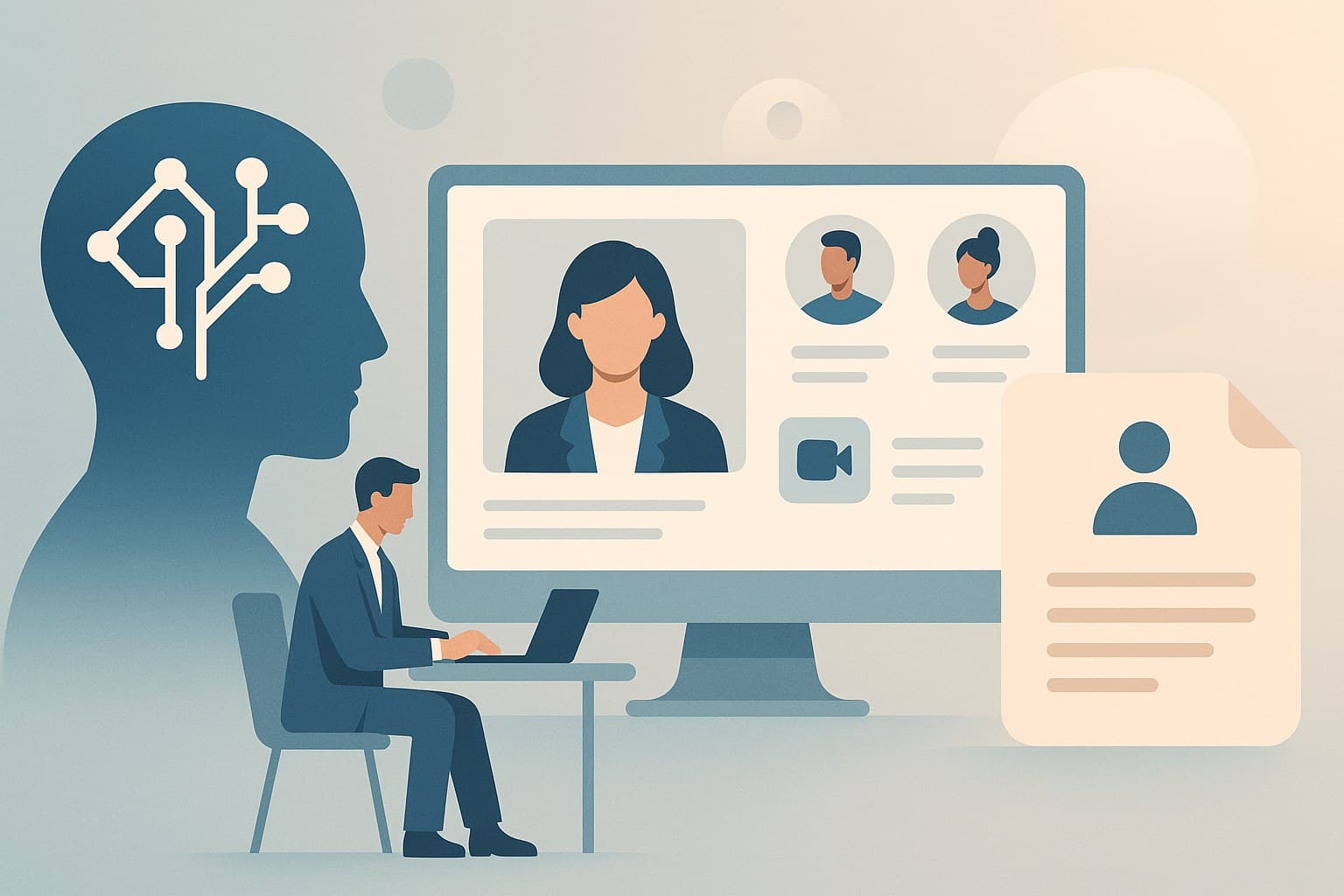
AI screening has revolutionized the recruitment industry by automating the candidate selection process. AI algorithms can analyze resumes, evaluate candidates' skills, and even conduct initial interviews using chatbots. This not only speeds up the hiring process but also ensures a fair and unbiased selection based on data-driven insights.
Healthcare and Diagnostics
In healthcare, AI screening is used for early disease detection and diagnosis. AI systems can analyze medical images such as X-rays and MRIs to identify anomalies with high accuracy. This assists healthcare professionals in making timely and accurate diagnoses, ultimately improving patient outcomes.
Financial Services
The financial industry uses AI screening for fraud detection and risk assessment. AI algorithms can analyze transaction data to identify patterns indicative of fraudulent activity. This proactive approach helps financial institutions prevent fraud and reduce associated losses.
Manufacturing and Quality Control
Manufacturers employ AI screening to enhance quality control processes. AI-powered systems can inspect products for defects at various stages of production, ensuring high-quality output and reducing waste. This contributes to cost savings and improved customer satisfaction.
Actionable B2B Takeaways
For businesses considering implementing AI screening, here are some actionable strategies to maximize ROI:
Conduct a Cost-Benefit Analysis
Before investing in AI screening, conduct a thorough cost-benefit analysis to understand the potential ROI. Consider factors such as implementation costs, expected efficiency gains, and long-term maintenance expenses. This will help you make an informed decision about whether AI screening is a viable option for your business.
Start with Pilot Projects
Implement AI screening on a small scale initially to test its effectiveness. Pilot projects allow you to assess the technology's impact on specific processes, identify any challenges, and make necessary adjustments before a full-scale rollout.
Invest in Training
To maximize the benefits of AI screening, invest in training for your employees. Ensure that your team understands how to use AI tools effectively and can interpret the data insights generated by these systems. This will enhance their ability to make informed decisions based on AI-generated insights.
Monitor and Measure Performance
Regularly monitor the performance of AI screening systems to evaluate their impact on key business metrics. Use this data to make informed decisions about optimizing processes and improving ROI. Continual assessment ensures that your AI screening initiatives remain aligned with business goals.
Partner with Experts
Consider partnering with technology vendors or consultants who specialize in AI screening solutions. Their expertise can help you navigate the complexities of AI implementation, ensuring a smooth and successful integration into your existing systems.
Conclusion
AI screening represents a powerful tool for businesses looking to enhance efficiency, accuracy, and decision-making across various sectors. By understanding the benefits, applications, and strategies for successful implementation, companies can leverage AI screening to achieve a significant ROI. As technology continues to evolve, businesses that embrace AI screening will be better positioned to thrive in an increasingly competitive landscape.
Frequently Asked Questions
Key questions often raised by business leaders and HR teams:
What is AI screening?
AI screening uses artificial intelligence to automate and optimize various screening processes, enhancing decision-making and efficiency.
How can AI screening improve ROI?
By automating tasks and providing data-driven insights, AI screening can lead to cost savings and improved outcomes, resulting in a positive ROI.
What industries benefit from AI screening?
Industries like recruitment, healthcare, financial services, and manufacturing utilize AI screening for enhanced efficiency and accuracy.
What are the key benefits of AI screening?
Key benefits include enhanced efficiency, improved accuracy, cost savings, and the ability to derive data-driven insights.
How should businesses start implementing AI screening?
Businesses should begin with a cost-benefit analysis and pilot projects to assess the effectiveness of AI screening before full implementation.