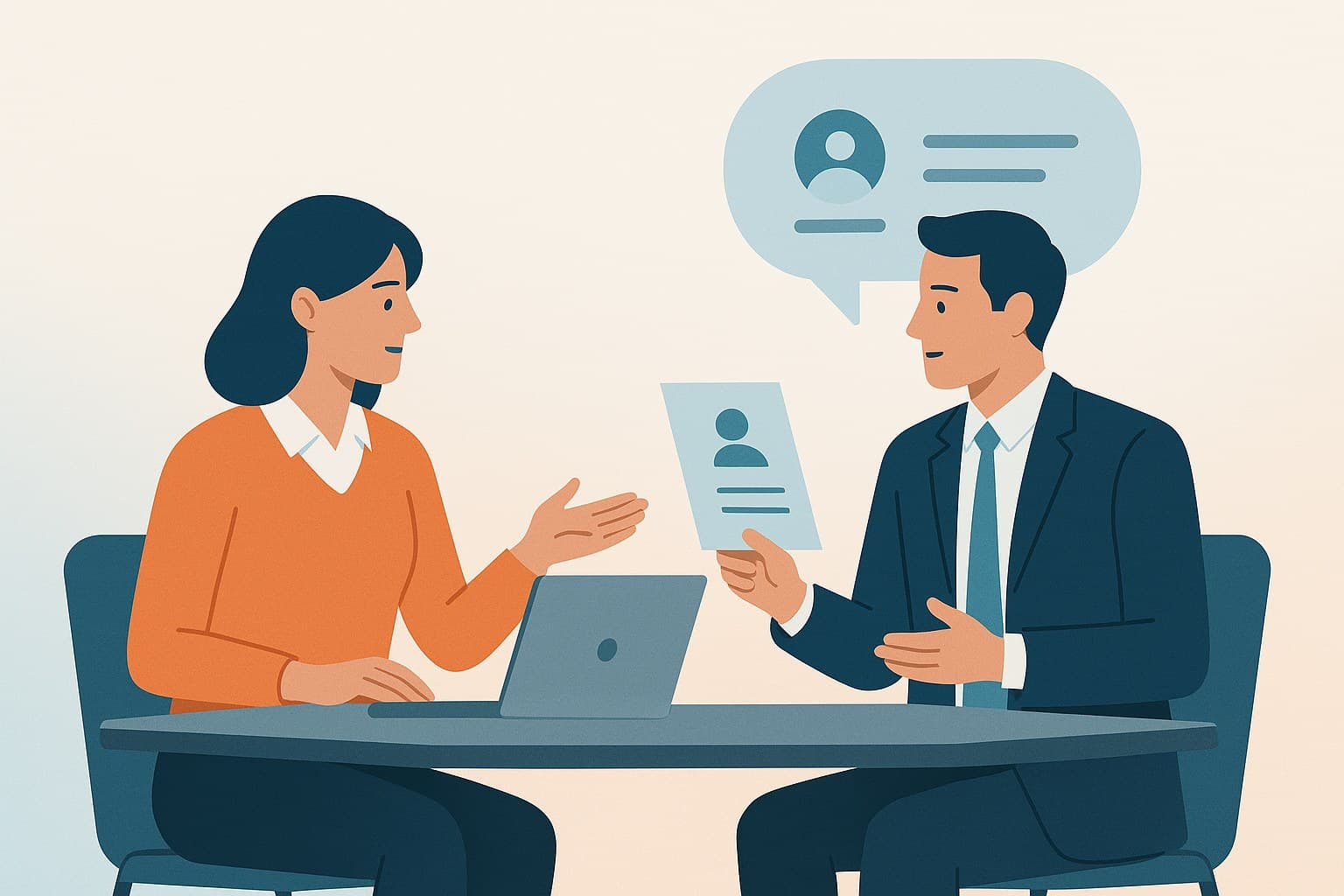
The Importance of Mock Interviews for Job Seekers
Imagine stepping into an interview room, your heart pounding as you prepare to answer questions that could influence your career trajectory. Mock interviews can transform this anxiety into confidence by providing a safe space to practice and improve. Understanding the importance of mock interviews can make a significant difference in how job seekers, career changers, and recent graduates perform in actual interviews. This article delves into the various reasons why mock interviews are invaluable and provides actionable insights to maximize their benefits.
Why Mock Interviews Matter
Mock interviews serve as a rehearsal for the real thing, offering a simulation of the interview environment without the pressure of real-world consequences. This practice is essential because it allows candidates to familiarize themselves with the interview process. By participating in mock interviews, candidates can identify their strengths and weaknesses, enabling them to work on areas that need improvement before the actual interview. This preparation can lead to better performance, reducing anxiety and increasing confidence.
In a competitive job market, first impressions are crucial. Employers often form opinions about candidates within the first few minutes. Mock interviews help candidates refine their communication skills, ensuring they make a positive impression from the outset. Additionally, practicing potential questions and answers can help candidates articulate their thoughts more clearly and concisely, a skill that is critical during real interviews.
Common Misunderstandings About Mock Interviews
Despite their benefits, some job seekers may have misconceptions about mock interviews, leading them to underutilize this powerful tool. One common misunderstanding is that mock interviews are only necessary for those who lack confidence. In reality, even seasoned professionals can benefit from mock interviews by refining their skills and staying updated with current interview trends.
Another misconception is that mock interviews are only for entry-level positions. However, interviews for advanced roles often involve complex questions and scenarios that require thorough preparation. Mock interviews can simulate these high-stakes situations, providing invaluable experience and feedback.
Some candidates may also believe that practicing alone or with friends is sufficient. While this can be helpful, mock interviews conducted by experienced professionals or career coaches provide a more realistic and challenging environment. These professionals can offer constructive feedback and insights that peers might miss.
Key Elements of Effective Mock Interviews
To fully benefit from mock interviews, it's important to understand what makes them effective. First, they should closely mimic the actual interview setting. This includes dressing appropriately, using professional language, and simulating the pressure of real interviews. The more realistic the mock interview, the better prepared candidates will be for the actual event.
Feedback is another critical component. Constructive criticism helps candidates recognize areas for improvement and build on their strengths. It's important for feedback to be specific and actionable, allowing candidates to make tangible improvements in their performance.
Timing and frequency also play a role. Regular mock interviews can help track progress over time, while longer sessions allow for more comprehensive practice. Candidates should schedule multiple mock interviews to progressively refine their skills.
How to Conduct a Mock Interview
Conducting a successful mock interview requires careful planning and execution. Start by setting clear objectives. Determine what specific skills or areas you wish to improve, such as answering behavioral questions or managing stress. This focus will guide the structure of the mock interview.
Choose an interviewer who can provide unbiased and professional feedback. This could be a career coach, an experienced professional in your field, or someone with substantial interviewing experience. The interviewer should prepare a set of questions that mimic those likely to be asked in the actual interview, including industry-specific questions and behavioral inquiries.
During the mock interview, treat it as if it were real. Dress professionally, maintain eye contact, and practice good posture. Take notes on the feedback provided, and review them afterward to identify patterns or recurring issues that need addressing.
Common Pitfalls to Avoid in Mock Interviews
While mock interviews are beneficial, there are common pitfalls that candidates should avoid. One such pitfall is treating the mock interview too casually. If candidates do not take the process seriously, they will not reap the full benefits of the exercise. Approaching the mock interview with the same level of seriousness as a real interview ensures that the practice is effective.
Another mistake is failing to apply feedback. Constructive criticism is only useful if it leads to actionable change. Candidates should actively work on the areas highlighted during feedback sessions, incorporating suggestions into their subsequent practice.
Furthermore, candidates should avoid over-rehearsing. While preparation is important, responses should not sound scripted. Over-rehearsed answers can come across as insincere or robotic. It's crucial to strike a balance between preparation and spontaneity, allowing for genuine and natural responses.
Real-World Scenarios Where Mock Interviews Made a Difference
Consider a scenario where a hiring manager at a mid-size tech firm conducts interviews for a critical position. Candidates who participated in mock interviews often stand out due to their polished responses and calm demeanor. For instance, a recent graduate who practiced answering technical questions in a mock setup managed to impress the panel with her clear and confident explanations, leading to a successful job offer.
In another case, a career changer transitioning into a new industry used mock interviews to adapt his communication style to meet the expectations of his new field. By receiving targeted feedback, he was able to refine his answers and demonstrate the relevant skills he acquired from his previous career, ultimately securing a position in the new industry.
These scenarios illustrate the tangible benefits of mock interviews, highlighting how they can bridge the gap between preparation and performance in actual interviews.
Conclusion
Mock interviews are an essential tool for anyone seeking to improve their interview skills and confidence. By simulating real interview conditions, providing constructive feedback, and allowing candidates to practice their responses, mock interviews help bridge the gap between preparation and performance. Job seekers, career changers, and recent graduates should incorporate mock interviews into their preparation process to enhance their chances of success in the competitive job market. Have you considered scheduling a mock interview to improve your skills and confidence before your next big interview?
Frequently Asked Questions
Key questions often raised by business leaders and HR teams:
What are mock interviews?
Mock interviews are practice sessions that simulate real job interviews, allowing candidates to prepare and receive feedback.
Who can benefit from mock interviews?
Both entry-level and experienced professionals can benefit, as mock interviews help refine skills and prepare for various interview scenarios.
How should I conduct a mock interview?
Set clear objectives, choose an experienced interviewer, and treat the mock interview as if it were a real one to maximize effectiveness.
What common mistakes should I avoid during mock interviews?
Avoid treating the mock interview too casually, failing to apply feedback, and over-rehearsing responses to ensure authenticity.