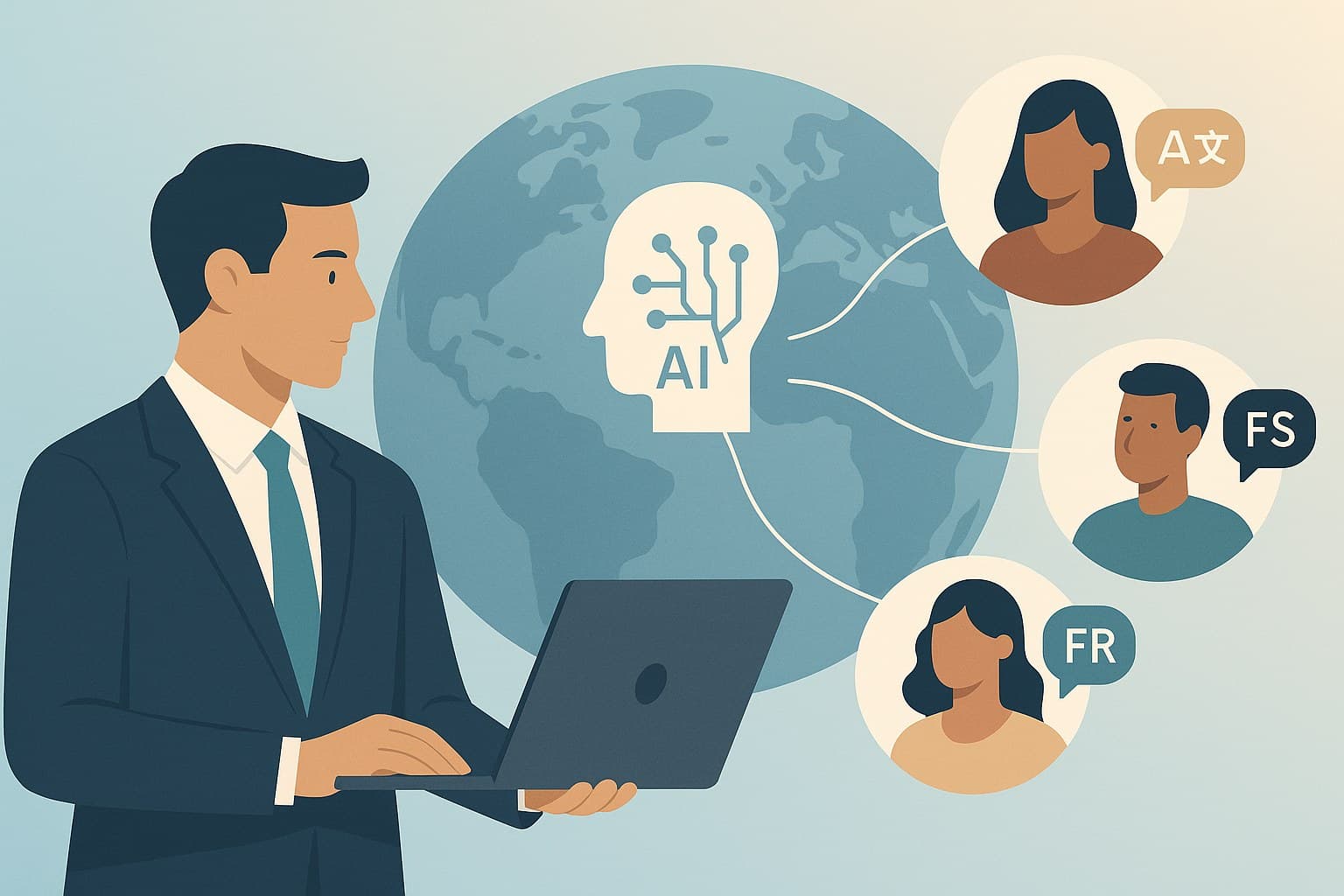
Multilingual AI Hiring: The Future of Recruitment
In today's globalized world, businesses are constantly expanding their reach and targeting audiences from diverse linguistic backgrounds. As a result, the demand for multilingual employees has skyrocketed in recent years. According to a report by New American Economy, job postings that require bilingual skills have more than doubled in the past five years, and the trend is expected to continue.
To meet this growing demand, companies are turning to technology solutions such as multilingual AI hiring. This cutting-edge approach to recruitment not only helps businesses find the best candidates for their multilingual positions but also streamlines the hiring process and ensures a more diverse and inclusive workforce. In this article, we will delve into the concept of multilingual AI hiring, its benefits, and how it is changing the recruitment landscape.
What is Multilingual AI Hiring?
Multilingual AI hiring is the use of artificial intelligence (AI) technology to identify and recruit multilingual candidates for job positions that require proficiency in more than one language. This technology leverages natural language processing (NLP) and machine learning algorithms to analyze job postings, resumes, and other relevant data to match the right candidate with the right job.
This technology goes beyond traditional recruitment methods, where human recruiters often have to sift through hundreds of resumes to find the right candidate. With multilingual AI hiring, the process becomes more efficient, accurate, and unbiased. It also helps companies tap into a larger pool of candidates, including those with niche language skills.
The Benefits of Multilingual AI Hiring
- Increased Efficiency and Accuracy
One of the most significant advantages of multilingual AI hiring is its ability to streamline the recruitment process. With AI technology, job postings can be analyzed and matched with candidates in a matter of seconds, significantly reducing the time and effort spent on the hiring process. This not only saves money but also allows recruiters to focus on other important tasks.
Moreover, AI algorithms are designed to make unbiased decisions, eliminating the risk of human error or unconscious bias in the recruitment process. This ensures a fair and inclusive hiring process, promoting diversity in the workplace.
- Access to Niche Talent
Multilingual AI hiring enables companies to tap into a larger pool of candidates with niche language skills. This is especially beneficial for businesses that operate in a global market and require employees to communicate with customers or partners in their native language. With AI technology, companies can easily find candidates with specific language skills, even if they are not actively looking for a job.
- Cost-Effective Solution
Recruiting can be a costly process, with expenses such as job postings, background checks, and recruitment agency fees adding up. Multilingual AI hiring eliminates many of these costs, making it a cost-effective solution for businesses of all sizes. With AI technology, companies can find the right candidate at a fraction of the cost of traditional recruitment methods.
- Improved Candidate Experience
The use of AI technology in the recruitment process can also lead to a better candidate experience. With the speed and efficiency of multilingual AI hiring, candidates are notified of their application status faster, and the overall recruitment process becomes more transparent. This enhances the candidate's perception of the company and can positively impact the employer brand.
How to Implement Multilingual AI Hiring in Your Company
Now that we have established the benefits of multilingual AI hiring, you may be wondering how to implement it in your company. Here are some steps to get you started:
- Identify Your Language Requirements
The first step is to identify the languages that are essential for your company. This could be based on your target market, customer base, or the languages used in your industry. Once you have a clear understanding of your language requirements, you can create job postings and candidate profiles that reflect these needs.
- Choose the Right Multilingual AI Hiring Platform
There are several AI hiring platforms available in the market, each with its own set of features and capabilities. It is crucial to choose a platform that aligns with your company's recruitment goals and has the necessary language capabilities. Some popular multilingual AI hiring platforms include Textio, Jobpal, and AllyO.
- Train Your AI Platform
To ensure accurate and effective results, it is vital to train your AI platform with relevant data. This could include past job postings, resumes, and other language-related data. The more data the platform has, the better it can match candidates with job postings.
- Monitor and Refine the Process
Like any technology, multilingual AI hiring requires monitoring and refinement to ensure its effectiveness. Keep track of the results and make adjustments as needed to improve the process continually. This could include adding new languages or adjusting the parameters for candidate matching.
The Future of Recruitment is Multilingual AI Hiring
As the demand for multilingual talent continues to rise, the need for efficient and unbiased recruitment solutions is becoming more apparent. Multilingual AI hiring offers a promising solution for businesses looking to tap into a diverse and global talent pool. By leveraging AI technology, companies can streamline the recruitment process, improve accuracy and inclusivity, and ultimately build a stronger and more competitive workforce.
In conclusion, multilingual AI hiring is not just a trend but a necessity in today's global market. By embracing this technology, businesses can stay ahead of the curve and attract top multilingual talent, giving them a competitive edge in their industry. So, why wait? It's time to embrace the future of recruitment with multilingual AI hiring.
Frequently Asked Questions
Key questions often raised by business leaders and HR teams:
What is multilingual AI hiring?
Multilingual AI hiring uses artificial intelligence to identify and recruit candidates proficient in multiple languages, streamlining the recruitment process.
What are the benefits of using multilingual AI hiring?
It increases efficiency, provides access to niche talent, reduces recruitment costs, and improves the candidate experience.
How can companies implement multilingual AI hiring?
Companies can start by identifying language requirements, choosing the right AI platform, training it with relevant data, and continuously refining the process.