Master Non-Verbal Cues in Interviews for Success
Landing your dream job often hinges on more than just what you say during an interview. Non-verbal cues can significantly impact how you are perceived by potential employers. These subtle signals, from your posture to your eye contact, can speak volumes about your confidence and suitability for the role. Understanding and mastering non-verbal communication is crucial for any job seeker aiming to make a lasting impression.
Why Non-Verbal Cues Matter in Interviews
Non-verbal cues are integral to communication, often conveying more than spoken words. In interviews, these cues can be the deciding factor between two equally qualified candidates. For instance, a firm handshake can signal confidence, while slouching may imply a lack of interest or enthusiasm. Employers are acutely aware of these signals, and they use them to assess candidates' interpersonal skills and cultural fit. Thus, understanding the importance of non-verbal communication is the first step in improving your interview performance.
Body language can reinforce your verbal messages, making you appear more trustworthy and competent. A hiring manager at a mid-size tech firm might interpret crossed arms as defensiveness, whereas open palms can indicate honesty and openness. These subtle nuances shape the interviewer's perception and ultimately influence their decision. Recognizing the impact of non-verbal cues can help you convey the right message and increase your chances of success.
Common Misinterpretations and Mistakes
Many candidates unknowingly sabotage their interviews with poor body language. A common mistake is failing to maintain eye contact, which can suggest insecurity or dishonesty. Conversely, staring too intensely can make the interviewer uncomfortable. Striking the right balance is key; aim for natural eye contact to demonstrate confidence and engagement.
Another pitfall is using excessive hand movements. While gesturing can emphasize your points, overdoing it can be distracting and may signal nervousness. It's essential to keep your gestures controlled and purposeful. Similarly, fidgeting with objects or tapping your foot can indicate anxiety or impatience, leaving a negative impression.
Understanding cultural differences in non-verbal communication is also crucial. What is considered positive body language in one culture may be perceived differently in another. For example, in some cultures, direct eye contact is a sign of respect, while in others, it may be viewed as confrontational. Being mindful of these differences can prevent misinterpretation and help you adapt your communication style accordingly.
Core Concepts of Effective Non-Verbal Communication
Effective non-verbal communication in interviews revolves around a few core concepts: confidence, engagement, and authenticity. Confidence is conveyed through a relaxed posture, steady eye contact, and controlled gestures. These signals reassure the interviewer of your competence and readiness for the role.
Engagement is demonstrated by nodding in agreement, leaning slightly forward to show interest, and maintaining an open stance. These actions signal active listening and enthusiasm for the conversation. Authenticity, on the other hand, is about being genuine in your expressions and reactions. Forced or exaggerated gestures can come across as insincere, undermining your credibility.
A practical approach to mastering these concepts is to practice mock interviews with a friend or mentor. This exercise can help you become more aware of your body language and receive constructive feedback. By understanding and applying these core principles, you can enhance your non-verbal communication and make a positive impression during interviews.
Practical Steps to Improve Your Non-Verbal Cues
Improving your non-verbal communication requires conscious effort and practice. Start by becoming aware of your habits and identifying areas for improvement. Recording yourself during mock interviews can be an effective way to observe your body language and make necessary adjustments.
Focus on maintaining a confident posture. Stand tall with your shoulders back, and avoid crossing your arms or legs, as these can be perceived as defensive. Practice a firm, but not overpowering, handshake to convey confidence and professionalism.
Work on your facial expressions to ensure they align with your verbal messages. A genuine smile can create a positive atmosphere and make you more approachable. Be mindful of your tone of voice, as it can convey enthusiasm or disinterest. Practice varying your pitch and pace to keep the conversation engaging.
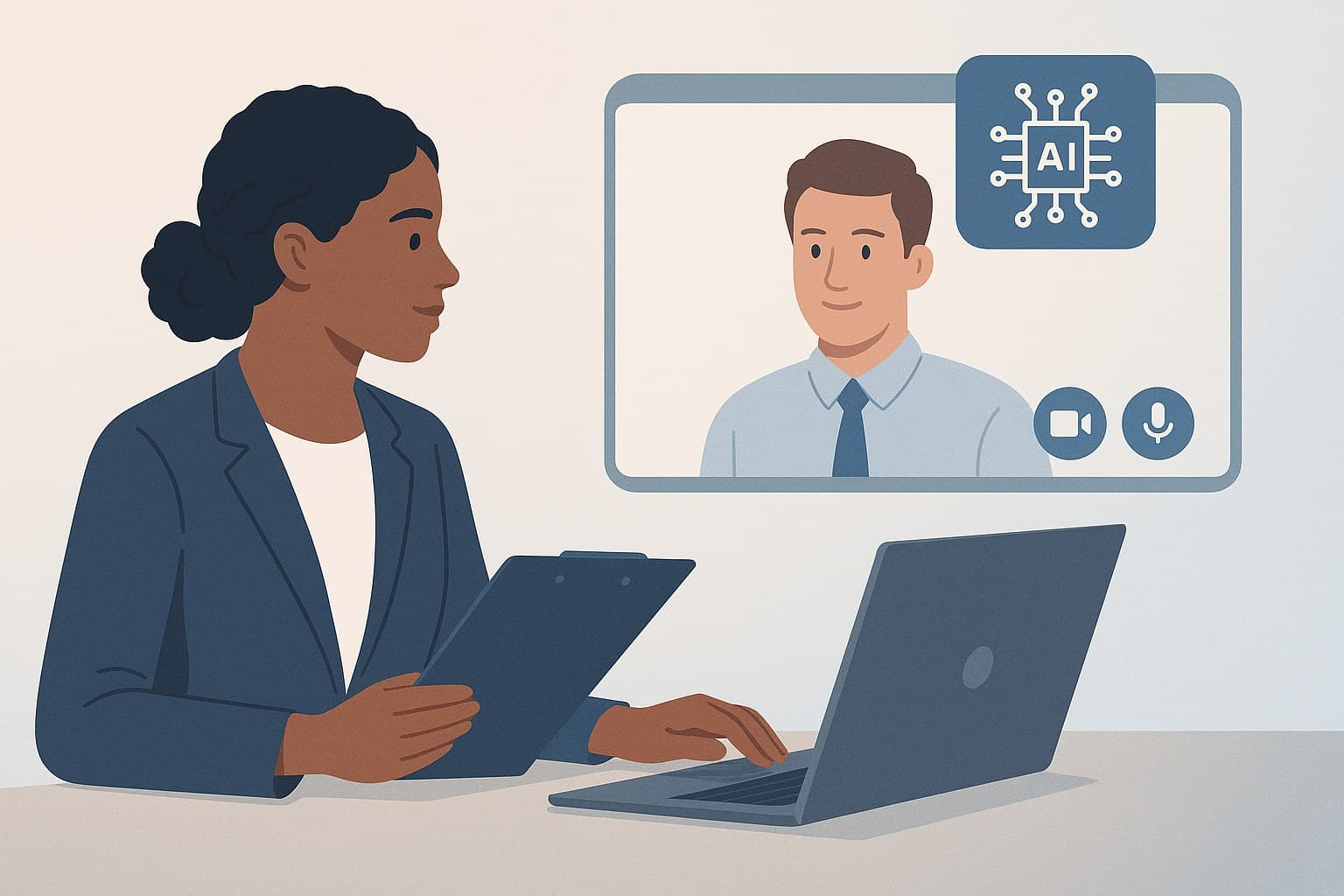
Finally, consider the environment of the interview. Different settings may require adjustments in your non-verbal communication. For example, in a virtual interview, ensure your camera is at eye level and your background is free of distractions. By tailoring your body language to the context, you can enhance your overall presentation and effectiveness.
Anonymous Scenarios: Pitfalls and Solutions
Imagine a hiring manager at a large corporation conducting back-to-back interviews. After a day of meeting candidates, they note that the most memorable ones were those who exuded confidence and engagement through their body language. One candidate, who maintained consistent eye contact and used appropriate gestures, left a lasting impression, while another, who fidgeted and avoided eye contact, was quickly forgotten.
To avoid such pitfalls, it's important to prepare thoroughly. Practice answering common interview questions while focusing on your non-verbal cues. Pay particular attention to how you sit, gesture, and make eye contact. Receiving feedback from peers or mentors can provide valuable insights and help you fine-tune your communication style.
Additionally, consider the impact of stress on your body language. Interviews can be nerve-wracking, but learning relaxation techniques such as deep breathing can help you stay calm and composed. A calm demeanor not only improves your non-verbal communication but also boosts your confidence, making you a more compelling candidate.
Conclusion
Mastering non-verbal cues in interviews is a crucial skill that can significantly enhance your job prospects. By understanding the importance of body language and avoiding common pitfalls, you can communicate more effectively and leave a lasting impression on potential employers. Practice, self-awareness, and adaptability are key to improving your non-verbal communication. As you prepare for your next interview, consider how your body language can complement your verbal messages and create a cohesive and compelling narrative.
What non-verbal cues do you think are most impactful in interviews, and how will you incorporate them into your preparation?
Frequently Asked Questions
Key questions often raised by business leaders and HR teams:
What are non-verbal cues?
Non-verbal cues are subtle signals like body language, eye contact, and facial expressions that communicate your feelings and attitudes during an interview.
Why are non-verbal cues important in interviews?
They can significantly influence how interviewers perceive your confidence, engagement, and suitability for the role, often more than your spoken words.
How can I improve my non-verbal communication?
Practice maintaining eye contact, using controlled gestures, and adopting a confident posture. Mock interviews can also help you become more aware of your body language.
What common mistakes should I avoid?
Avoid poor eye contact, excessive hand movements, and fidgeting, as these can create negative impressions during an interview.
How do cultural differences affect non-verbal communication?
Cultural norms can vary widely; what is considered positive body language in one culture may be viewed differently in another, so it's important to be aware of these differences.