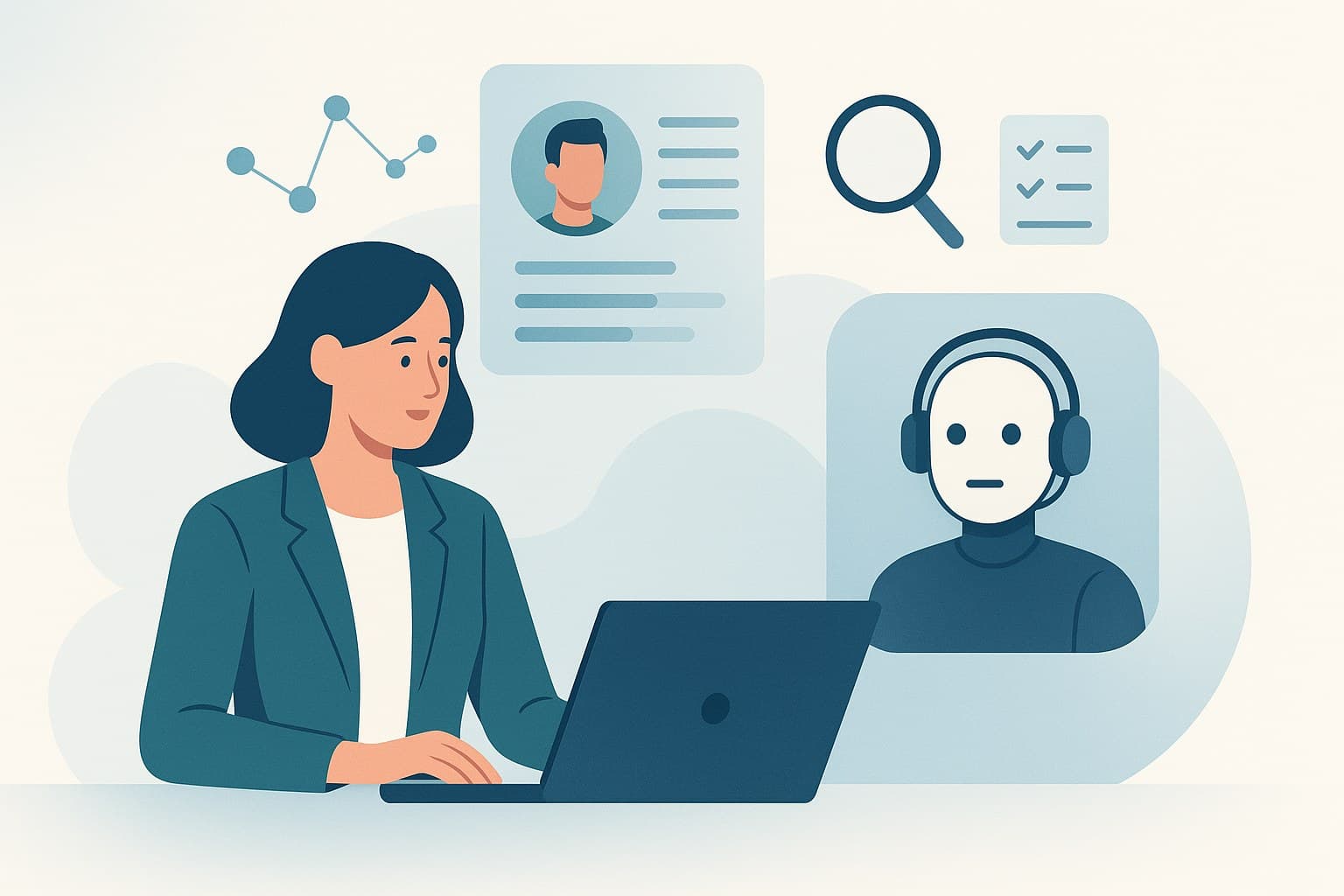
Title: Navigating OFCCP and EEOC Audits in AI Hiring: A Guide for HR Leaders and Business Decision-Makers
In recent years, the integration of artificial intelligence (AI) in hiring processes has revolutionized how organizations attract, evaluate, and select talent. However, as AI technologies become more prevalent, regulatory bodies like the Office of Federal Contract Compliance Programs (OFCCP) and the Equal Employment Opportunity Commission (EEOC) have intensified their focus on ensuring these tools promote fair and equitable hiring practices. For HR leaders and business decision-makers, understanding how to navigate audits from these bodies is crucial for maintaining compliance and fostering a diverse workforce.
Understanding the Regulatory Landscape
The OFCCP and EEOC are key players in enforcing non-discriminatory employment practices in the United States. The OFCCP focuses on federal contractors, ensuring they comply with affirmative action and nondiscrimination obligations. The EEOC, on the other hand, is responsible for enforcing federal laws that make it illegal to discriminate against a job applicant or an employee.
With the rise of AI in hiring, both agencies have expressed concerns about potential biases that could be embedded in these systems. The use of AI tools in recruitment must align with Title VII of the Civil Rights Act, the Americans with Disabilities Act, and other relevant legislation. HR leaders must ensure that their AI systems do not inadvertently perpetuate discrimination based on race, gender, age, or other protected characteristics.
Preparing for an OFCCP or EEOC Audit
Preparation is key to successfully navigating an OFCCP or EEOC audit. Here are some steps HR leaders and decision-makers can take to ensure their AI hiring processes are compliant:
-
Conduct Regular Bias Audits: Regularly audit your AI systems to identify and rectify any biases. This involves analyzing the data sets used to train AI algorithms to ensure they are representative and do not favor any particular group. Engage third-party experts if necessary to provide an objective assessment.
-
Document Processes and Decisions: Maintain thorough documentation of your AI hiring processes. This includes records of how AI tools are selected, how they are integrated into the recruitment process, and how decisions are made. This documentation will be crucial during an audit to demonstrate compliance.
-
Train Your Team: Ensure that your HR team understands how AI tools work and their potential biases. Provide training on how to interpret AI-generated insights and make final decisions that align with your organization’s diversity and inclusion goals.
-
Engage with Legal and Compliance Experts: Work closely with legal and compliance experts to interpret relevant laws and regulations. They can provide guidance on how to align your AI hiring practices with legal requirements and prepare for potential audits.
Leveraging AI Responsibly
While AI offers numerous benefits in hiring, including efficiency and scalability, it is essential to leverage these tools responsibly. Here are some best practices to consider:
-
Transparency and Explainability: Choose AI systems that offer transparency and explainability. This means being able to understand and articulate how AI tools make decisions. Such systems provide confidence to both candidates and auditors that the hiring process is fair.
-
Continuous Monitoring and Improvement: AI systems must be continuously monitored and updated to ensure they adapt to changing workforce demographics and do not reinforce outdated biases. Implement feedback loops to regularly assess the effectiveness of AI tools.
-
Incorporate Human Oversight: AI should augment, not replace, human decision-making. Incorporate human oversight in the final stages of the hiring process to ensure that AI recommendations are reviewed in the context of your organization’s values and diversity objectives.
The Role of Leadership in Promoting Ethical AI Use
Leadership plays a pivotal role in promoting the ethical use of AI in hiring. By setting the tone at the top, leaders can foster a culture of accountability and inclusivity. Here’s how leaders can make an impact:
-
Champion Diversity and Inclusion: Make diversity and inclusion a strategic priority. Leaders should communicate the importance of these values and ensure they are reflected in AI-driven hiring practices.
-
Invest in Ethical AI Development: Allocate resources for the development and implementation of ethical AI systems. This includes investing in research and collaboration with technology partners who prioritize fairness and equity.
-
Engage in Industry Collaboration: Participate in industry forums and collaborations to share best practices and stay informed about emerging trends in ethical AI use. This engagement can provide valuable insights into how other organizations are addressing similar challenges.
Conclusion
As AI continues to transform the hiring landscape, organizations must be proactive in ensuring their practices comply with OFCCP and EEOC standards. By conducting regular audits, maintaining transparency, and fostering a culture of inclusivity, HR leaders and business decision-makers can harness the power of AI responsibly. In doing so, they not only mitigate the risk of audits but also contribute to building a diverse and equitable workforce that drives organizational success.
Frequently Asked Questions
Key questions often raised by business leaders and HR teams:
What is the role of OFCCP in AI hiring?
The OFCCP ensures federal contractors comply with affirmative action and nondiscrimination obligations in their hiring practices, including the use of AI.
How can organizations prepare for an EEOC audit?
Organizations can prepare by conducting regular bias audits, documenting hiring processes, and training HR teams on AI tools and their implications.
Why is transparency important in AI hiring systems?
Transparency helps ensure that AI tools make fair decisions, building trust among candidates and compliance with regulatory standards.
What are best practices for leveraging AI responsibly in hiring?
Best practices include continuous monitoring of AI systems, incorporating human oversight in decisions, and investing in ethical AI development.