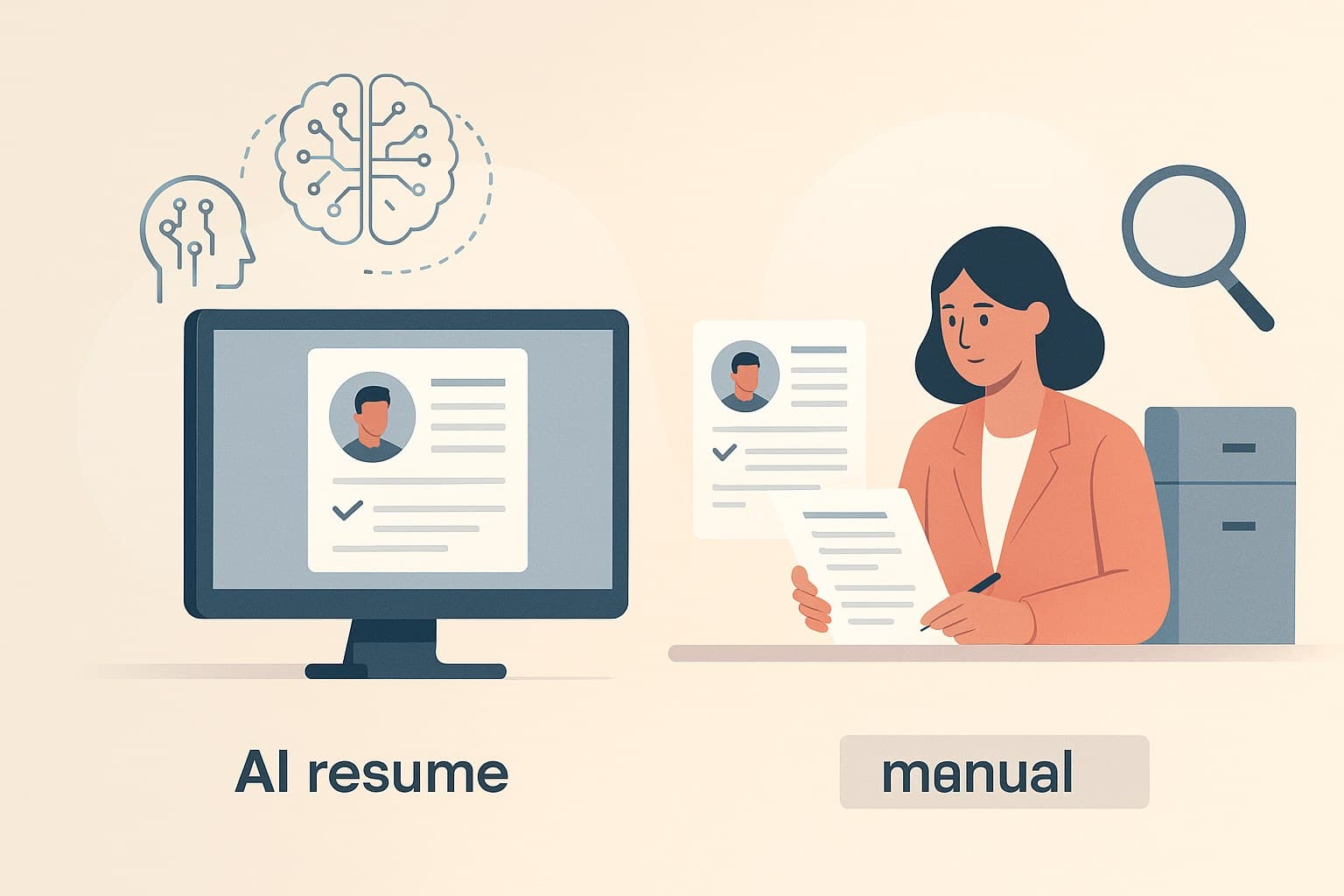
Optimizing Hiring Manager SLA and AI Escalations: A Strategic Guide for HR Leaders
In today’s fast-paced business environment, efficiency and responsiveness are critical to maintaining a competitive edge. For HR leaders and corporate decision-makers, managing the expectations and interactions between hiring managers and AI-driven recruitment tools is crucial. This article explores the strategic importance of hiring manager Service Level Agreements (SLAs) and the role of AI escalations in creating a streamlined recruitment process.
Understanding Hiring Manager SLAs
A Service Level Agreement (SLA) is a contract that outlines the expected level of service between two parties. In the context of recruitment, an SLA between HR and hiring managers sets clear expectations regarding timelines, communication protocols, and responsibilities. The goal is to ensure that both parties are aligned in their objectives and understand their roles in the recruitment process.
Key Components of an Effective Hiring Manager SLA
-
Defined Timeframes: Establish clear timelines for each stage of the recruitment process, from initial job requisition to final candidate selection. These timeframes should be realistic yet challenging, pushing both HR and hiring managers to work efficiently.
-
Roles and Responsibilities: Clearly delineate the responsibilities of HR personnel and hiring managers. This includes who is responsible for reviewing applications, scheduling interviews, and making final decisions.
-
Communication Protocols: Set guidelines for how and when communication should occur. Regular updates and feedback loops are essential to ensure that everyone is informed and aligned.
-
Performance Metrics: Identify key performance indicators (KPIs) that will be used to measure the success of the recruitment process. These could include time-to-fill, quality of hire, and candidate satisfaction scores.
The Role of AI in Recruitment
Artificial Intelligence (AI) has revolutionized the recruitment industry by automating repetitive tasks, analyzing large volumes of data, and providing insights that enhance decision-making. AI can screen resumes, schedule interviews, and even engage with candidates through chatbots. However, the integration of AI into the recruitment process also presents new challenges, particularly regarding escalations.
Managing AI Escalations
AI escalations occur when automated systems are unable to handle a situation or when human intervention is required. Effective management of these escalations is critical to maintaining a smooth recruitment process.
-
Identifying Escalation Triggers: Understand what situations require escalation. These could include ambiguous candidate data, conflicting information, or technical errors. By clearly defining these triggers, you can ensure that AI systems know when to seek human input.
-
Establishing Escalation Protocols: Develop protocols for how escalations should be handled. This includes identifying the right person to address the issue, setting a response time, and determining how the escalation will be resolved.
-
Training and Support: Ensure that HR teams and hiring managers are trained to handle escalations effectively. This includes understanding how AI systems work, recognizing when human intervention is needed, and knowing whom to contact for support.
-
Continuous Improvement: Use data from escalations to improve AI systems and processes. By analyzing patterns and outcomes, you can identify areas for improvement and refine your recruitment strategy.
Strategic Benefits of Optimizing SLAs and AI Escalations
-
Enhanced Efficiency: By clearly defining expectations and streamlining processes, organizations can reduce the time and resources spent on recruitment. This allows HR teams to focus on strategic initiatives rather than administrative tasks.
-
Improved Candidate Experience: A well-managed recruitment process ensures that candidates receive timely communication and a positive experience. This can enhance your employer brand and increase the likelihood of attracting top talent.
-
Data-Driven Decision Making: AI systems provide valuable insights that can inform recruitment strategies. By effectively managing escalations, organizations can ensure that these insights are accurate and actionable.
-
Increased Collaboration: SLAs and AI systems foster collaboration between HR and hiring managers. By working together towards common goals, organizations can create a more cohesive and effective recruitment process.
Conclusion
For HR leaders and corporate decision-makers, optimizing hiring manager SLAs and AI escalations is essential to creating a responsive and efficient recruitment process. By setting clear expectations, leveraging AI technology, and managing escalations effectively, organizations can enhance their recruitment strategy and maintain a competitive edge in the talent market.
As technology continues to evolve, the integration of AI in recruitment will only become more prevalent. By proactively addressing the challenges and opportunities presented by AI, HR leaders can ensure that their organizations are well-positioned to attract, hire, and retain the best talent.
Frequently Asked Questions
Key questions often raised by business leaders and HR teams:
What is a Hiring Manager SLA?
A Hiring Manager SLA is a contract that outlines the expected level of service between HR and hiring managers, detailing timelines, communication, and responsibilities.
How does AI improve the recruitment process?
AI enhances recruitment by automating tasks, analyzing data, and providing insights that facilitate better decision-making and efficiency.
What are escalation triggers in AI recruitment?
Escalation triggers are situations where AI systems cannot handle the task and require human intervention, such as ambiguous candidate data or technical errors.
Why is managing AI escalations important?
Managing AI escalations is crucial for maintaining a smooth recruitment process and ensuring that candidates receive timely and accurate responses.
What are the benefits of optimizing SLAs?
Optimizing SLAs leads to enhanced efficiency, improved candidate experiences, data-driven decision making, and increased collaboration between HR and hiring managers.